
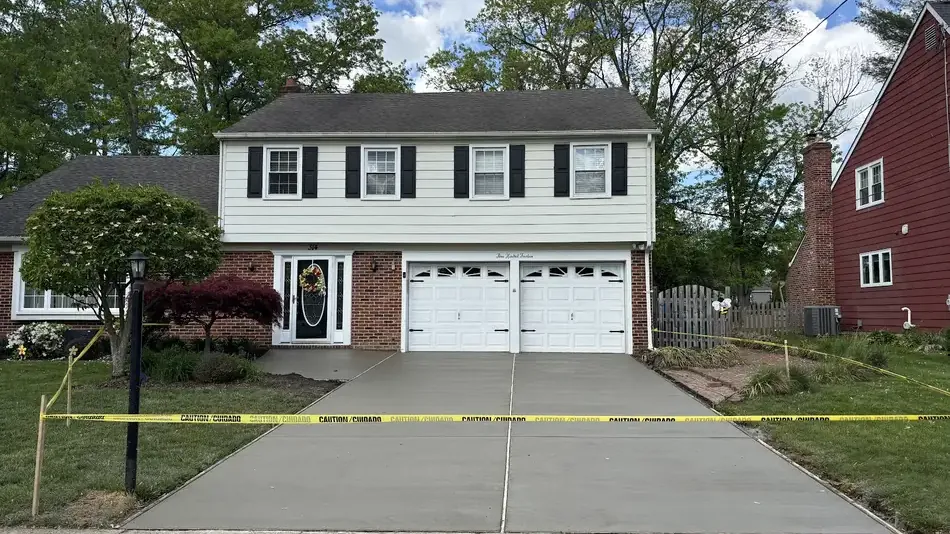
Three quotes for the same driveway are rarely the same job. Here is how to read them line by line.
You asked three contractors to price the same driveway. Three different numbers came back. One of them is a lot lower than the rest.
That does not mean anyone is cheating you. It usually means the three are not quoting the same work. Papaneri & Sons Concrete has poured concrete driveways in Cherry Hill since 1987. The same few lines move the price every time.
New Jersey's Division of Consumer Affairs tells homeowners to get written estimates from at least three contractors [1]. That only pays off if you can read the same line on all three.
This page walks those lines. What goes under the slab, how thick it is, what steel is in it, what gets hauled away, and who handles the permit.
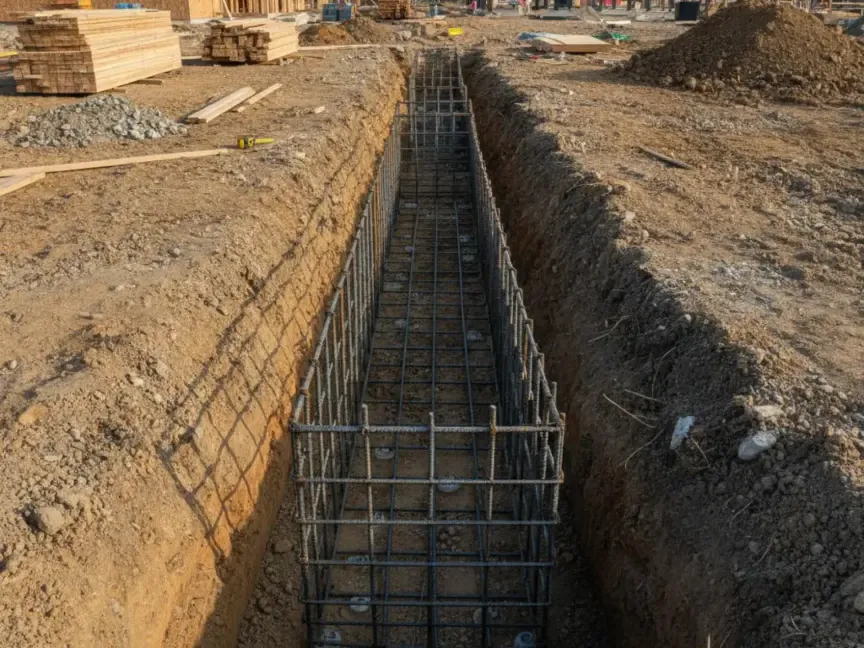
Concrete fails from below. The lines that decide how long a slab lasts cover work you never see again.
A quote should say how much ground comes out. That depth leaves room for a stone base and a full thickness slab on top of it.
Ask for the stone depth in inches, on the page. A thin skim of stone over soft ground is the easiest corner in the trade to cut. On our jobs the crew excavates, grades and compacts a stone sub-base at step three of the process.
Loose stone settles under a car. Compacted stone does not. The same step sets the fall on the slab, so ask how the quote handles slope and drainage.
Sometimes the ground under an old slab is why it broke up. A crew paying attention says so before the new pour. We grade the base and give an honest look at it on every concrete removal job.
Some sheets jump straight from tear out to pour. That is not a saving. It is a line somebody left off.
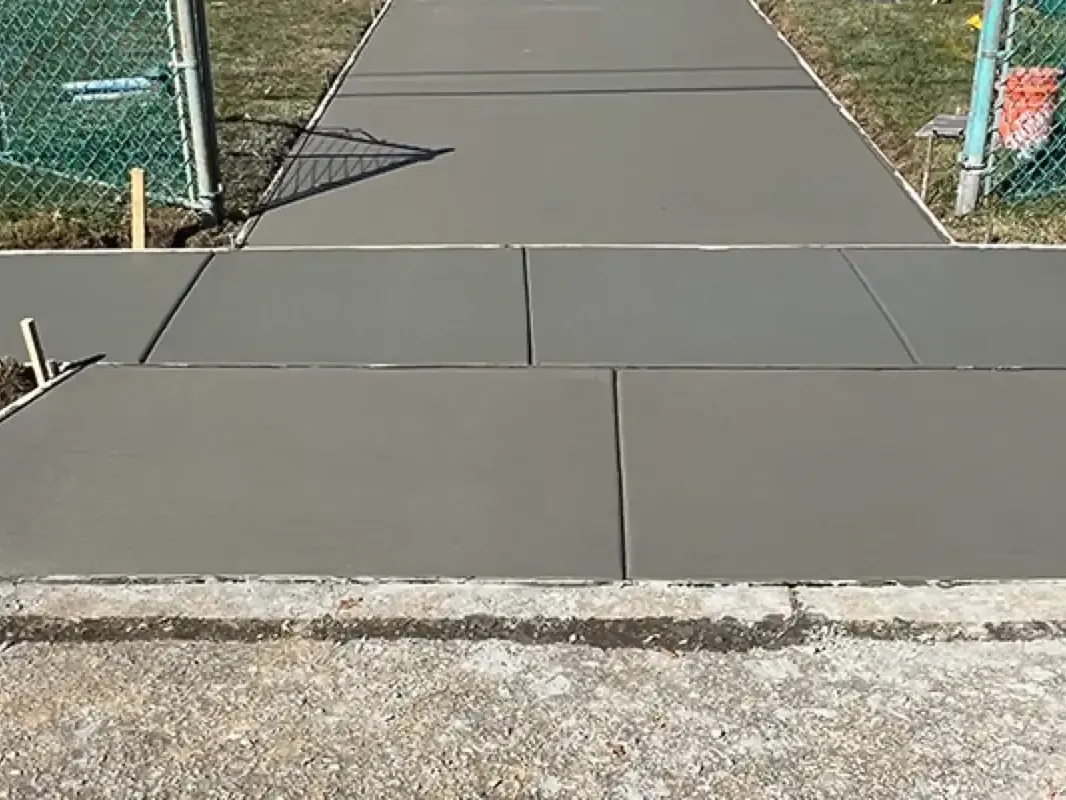
Three numbers tell you how much concrete you are buying. A quote naming all three is simple to compare. One naming none is a guess.
Thickness belongs on the page, not in a conversation. We pour most residential driveways 4 inches thick. A work truck or an RV moves that to 5 or 6 inches with added steel, as the driveway installation page explains.
Concrete is sold by strength. Most crews here pour a 3500 to 4000 PSI mix. Papaneri & Sons pours 4500 PSI on every job. Freeze and thaw winters are harder on a weak mix than any car is.
Rebar or wire mesh ties a slab together and spreads load. A quote should say whether steel is included, what kind, and where it goes.
Concrete shrinks as it cures. Joints give that movement a planned place to go. Ask how they are cut and how far apart they sit. The detail matters as much on a backyard patio as on a driveway.
This is more than good practice here. The Division's contractor checklist says a home improvement contract carries a description of the work and the principal products and materials to be used [2]. No mix, no thickness, no steel means the paperwork is short.
These four lines go missing more than any others. Each one costs real money when it lands back on you.
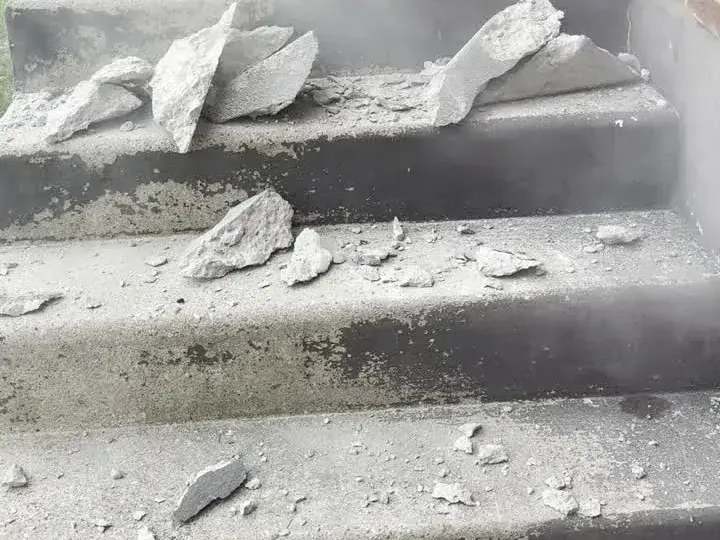
Removal is its own job. Saw cuts protect the concrete you are keeping. Read how a tear out is done properly, then check that your quote includes it.
Broken concrete has to leave the property. The steel pulled out of it cannot ride in the same load. A quote saying removal but not hauling can leave a pile on your lawn.
Broom, smooth troweled, exposed aggregate and stamped are four different prices. Two quotes can both say finished and mean very different surfaces. Get the finish named.
Ask what the yard looks like on the last day. We clean up the site and walk the finished job with you. Anything left over gets settled there.
Lawn, fences and the concrete you are keeping all need protecting. The pour day prep list covers what the crew handles and what you handle.
The last block of lines has nothing to do with concrete. It decides who does the chasing and who carries the risk.
Cherry Hill Township is direct about this. A zoning permit is needed to replace a driveway or install a patio. Those permits typically take 10 business days to review and process, and construction permits are often needed too [3]. We pull them and coordinate inspections. The zoning permit page walks through the review.
A homeowner can apply, but the contractor's name and registration number go on the application. Never say you are doing the work yourself when a contractor is. That can cost you the protections the law gives you [1].
The apron and sidewalk out front often sit in the township right-of-way. That is a separate approval from the driveway. The driveway apron page covers where the line falls.
A spoken promise is not a warranty. The Division tells homeowners to get all warranties and guarantees in writing [1]. The contractor checklist requires that statement in the contract itself [2].
Any home improvement contract above $500 in New Jersey has to be written. It carries the legal name, business address and registration number, a description of the work, start and completion dates, and the total price [1][2]. The full contract checklist is on its own page.
Every home improvement contractor in the state has to register. Here is how to check a registration. Registration is not an endorsement, so treat it as a floor [1].
The Division lists warning signs. Be wary of a contractor who wants more than a third before work begins, says no written contract is needed, asks for cash, or gives only a P.O. Box [1].
Write the lines down the left of a page. Dig depth, stone depth, compaction, thickness, PSI, steel, joints, finish, removal, hauling, permit, cleanup, warranty. Fill a column for each quote. The low number usually has blanks in it. The project timeline shows how the dates should line up.
A fair price for the right job beats a low price for half of one. Papaneri & Sons puts all of those lines on the estimate.
Before you lay the three quotes side by side it helps to know the going rate. Our posts on what a concrete driveway costs and the price of a yard of concrete show where the money goes.
At least three, in writing. That is what the New Jersey Division of Consumer Affairs advises. Ask each contractor how long they have been in business, whether they carry liability insurance, and whether subcontractors will be on the job.
Almost always because a line is missing. A thinner slab, less stone, no steel, removal and hauling left out, or the permit handed back to you. Put the sheets side by side and the gap explains itself.
Either can, but someone has to. Cherry Hill requires a zoning permit to replace a driveway or install a patio. We pull township permits and handle inspections. If you apply yourself, the contractor's name and registration number go on the application.
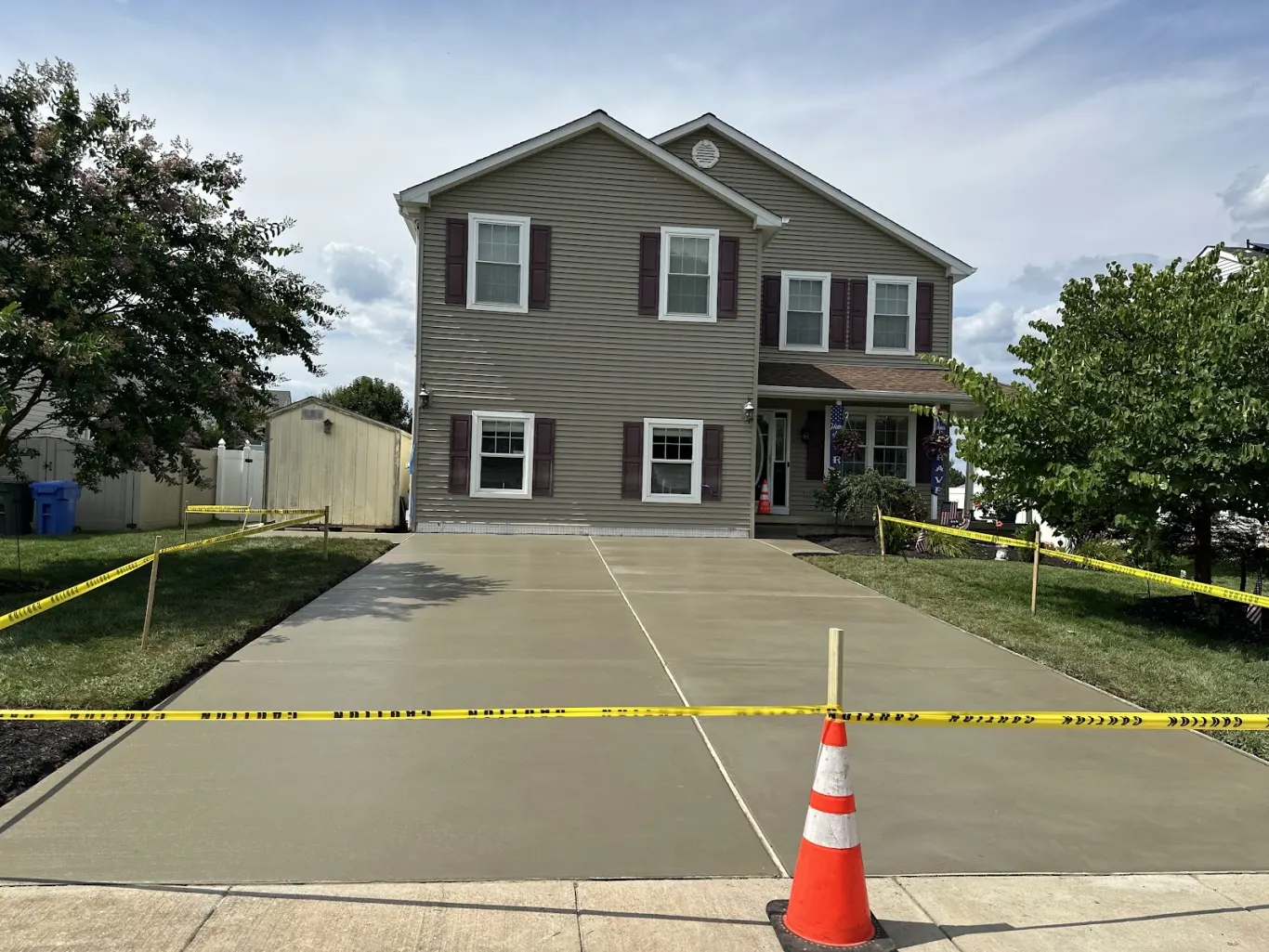
Papaneri & Sons Concrete has poured driveways, patios and sidewalks across Cherry Hill, Marlton and Mount Laurel since 1987. The estimate is free and it happens on site. It puts the base, the thickness, the steel, the finish and the permit on paper. Hold it next to the other two and read the lines.