
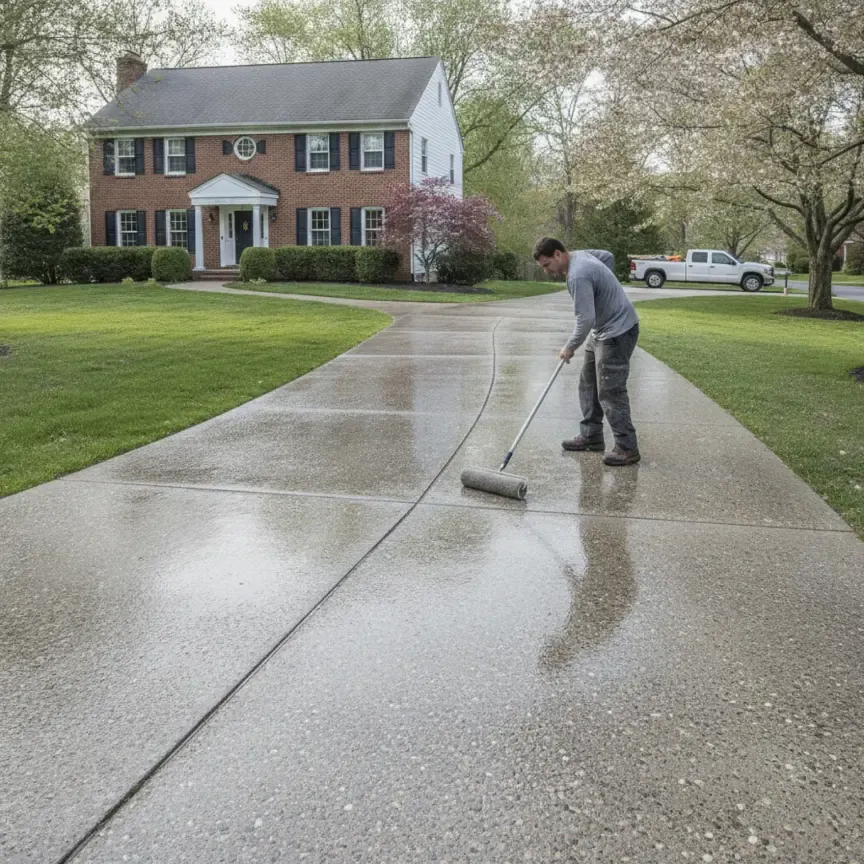
Lift the oil that is still loose before you scrub anything. After that, the age of the stain decides the method, and an old dark stain almost never comes out with a brush.
Cover the spot with cat litter or baking soda to pull out the loose oil, then scrub what is left with a concrete degreaser and hot water. That clears most stains that are a few days old or newer.
A stain that has gone dark over months or years needs a poultice or a microbial cleaner instead. By then the oil sits inside the pores of the slab, and no brush reaches it.
Below is the order to work in, the products to keep off your driveway, and how a sealed driveway keeps the next drip sitting on the surface where you can wipe it up.
Concrete is full of tiny pores. Oil sits on top for a short while, then works its way down, so the clock matters more than the product you pick.
Cover the whole spot with a thick layer of cat litter, clay absorbent, baking soda or sawdust. Grind it in with your boot so it reaches into the broom finish. Leave it a few hours, or overnight on a heavy spill, then sweep it up.
Do not reach for the hose first. The EPA tells shops to lift oil with absorbent material rather than hose it off, because engine oil and sludge clog drains and pollute water. Water also spreads a fresh spill into a much bigger stain.
Once the loose oil is gone, scrub the shadow that is left with a concrete degreaser or a strong powdered detergent and hot water. Keep the spot wet the whole time the cleaner is working, then rinse it. Two rounds beat one hard round.
Lay the absorbent down before you do anything else, and slide a drip pan under the vehicle. A leak you have not fixed will put the stain right back.
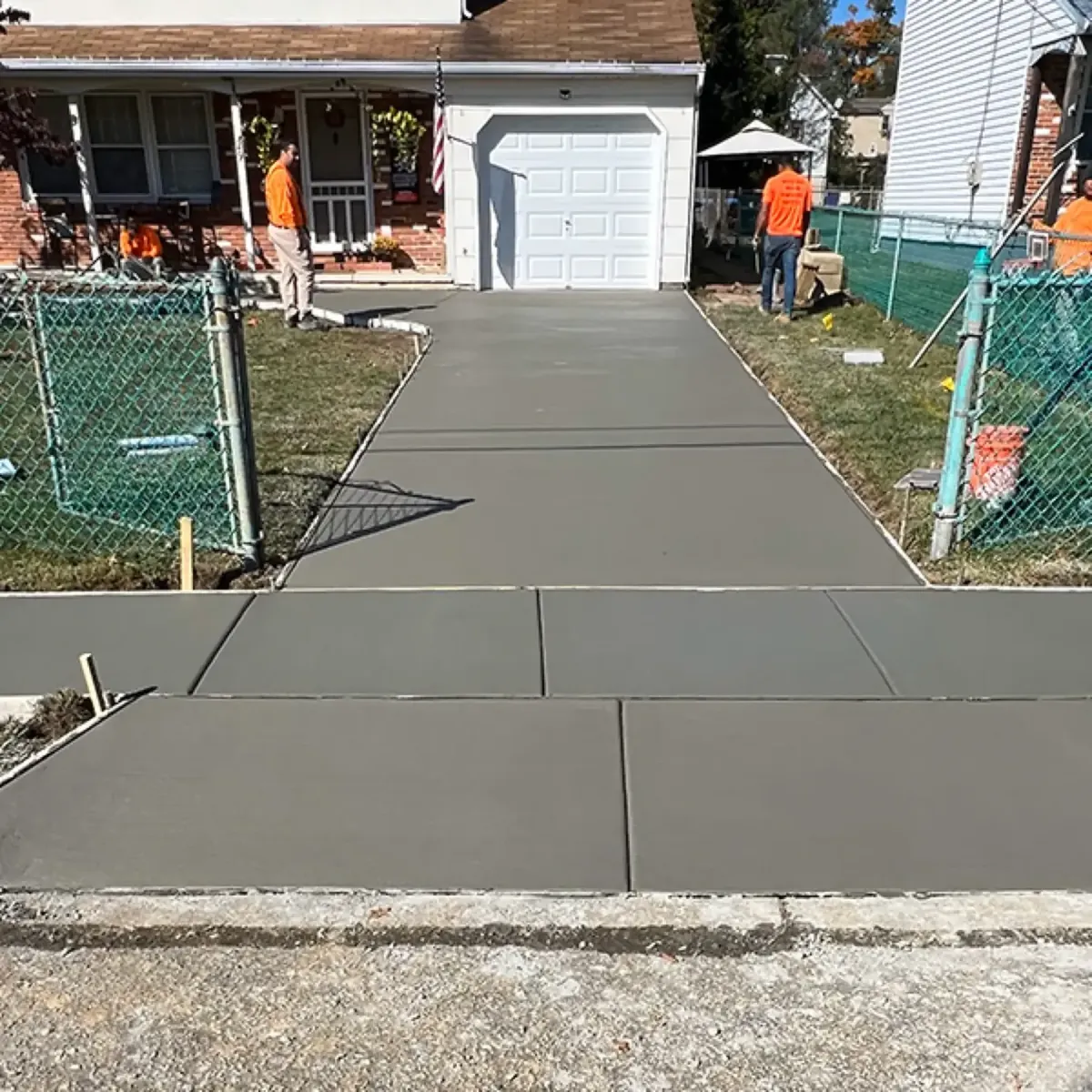
A degreaser loosens oil, it does not break it down. Concrete Network notes that this is exactly why degreasers do poorly on concrete that has been soaking up drips for years, and why they work better on open, porous slabs than on hard troweled ones.
That is where a poultice earns its keep. Soak an absorbent such as cat litter, sawdust or pool filter media in a strong solvent like acetone, xylene or lacquer thinner, then spread the paste over the stain about a quarter inch thick.
Cover it with plastic and tape the edges down. The solvent dissolves the oil, and as the paste dries it draws the oil back up out of the slab. Leave it overnight, scrape it off, and expect two or three rounds on a deep stain.
Microbial cleaners are the low effort option. The microbes eat the oil and digest it into carbon dioxide, then die off once it is gone. They work over days rather than hours, with no fumes and no risk to the concrete.
Treat the solvents with respect. Acetone has a flash point of 0 degrees F and is rated a Class IB flammable liquid by the CDC NIOSH Pocket Guide, so keep it well away from a water heater pilot light, a grill or a cigarette, work outdoors, and wear gloves and eye protection.
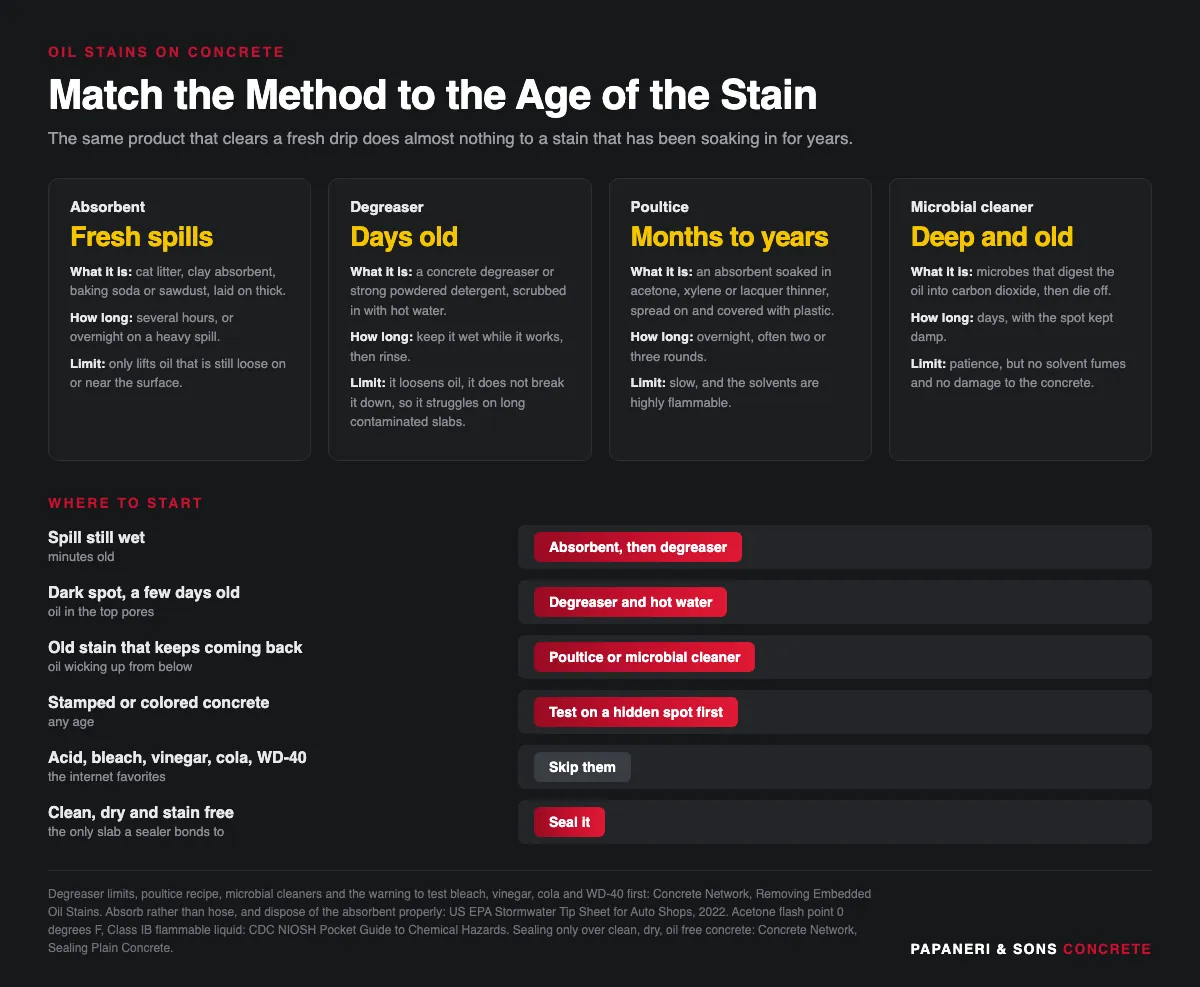
Bleach, vinegar, cola and WD-40 all get passed around online as oil stain cures. Concrete Network warns to test any of them on a hidden spot first, because they can discolor concrete, and a stamped or colored driveway shows it worst of all.
Acid is the one we talk people out of most often. It does not dissolve oil. It eats the cement paste at the surface, so the stain only looks lighter because the top skin of the slab is gone. What you are left with is a rough, blotchy patch that drinks up the next drip faster than the concrete around it.
Leading with a pressure washer is the other common miss. On an untreated stain the water drives oil deeper and sprays the ring wider. Apply the cleaner first, let it work, then rinse while it is still wet.
Papaneri & Sons Concrete has been pouring and sealing driveways around Cherry Hill and South Jersey since 1987, and the prep never changes. Heavily soiled slabs get a hot water pressure wash and a chemical degreaser before any sealer comes out of the truck.
We will not seal over a stain, and that is not fussiness. Concrete Network's guide to sealing plain concrete is blunt about it: oil, grease and stains have to come off first, because they stop the sealer from bonding. Seal over oil and the coating peels in that exact spot within a season.
South Jersey winters make it worse. Road salt and freeze and thaw cycles pick at any weak patch, and an oil soaked spot that never took sealer is the first place a driveway starts to pit.
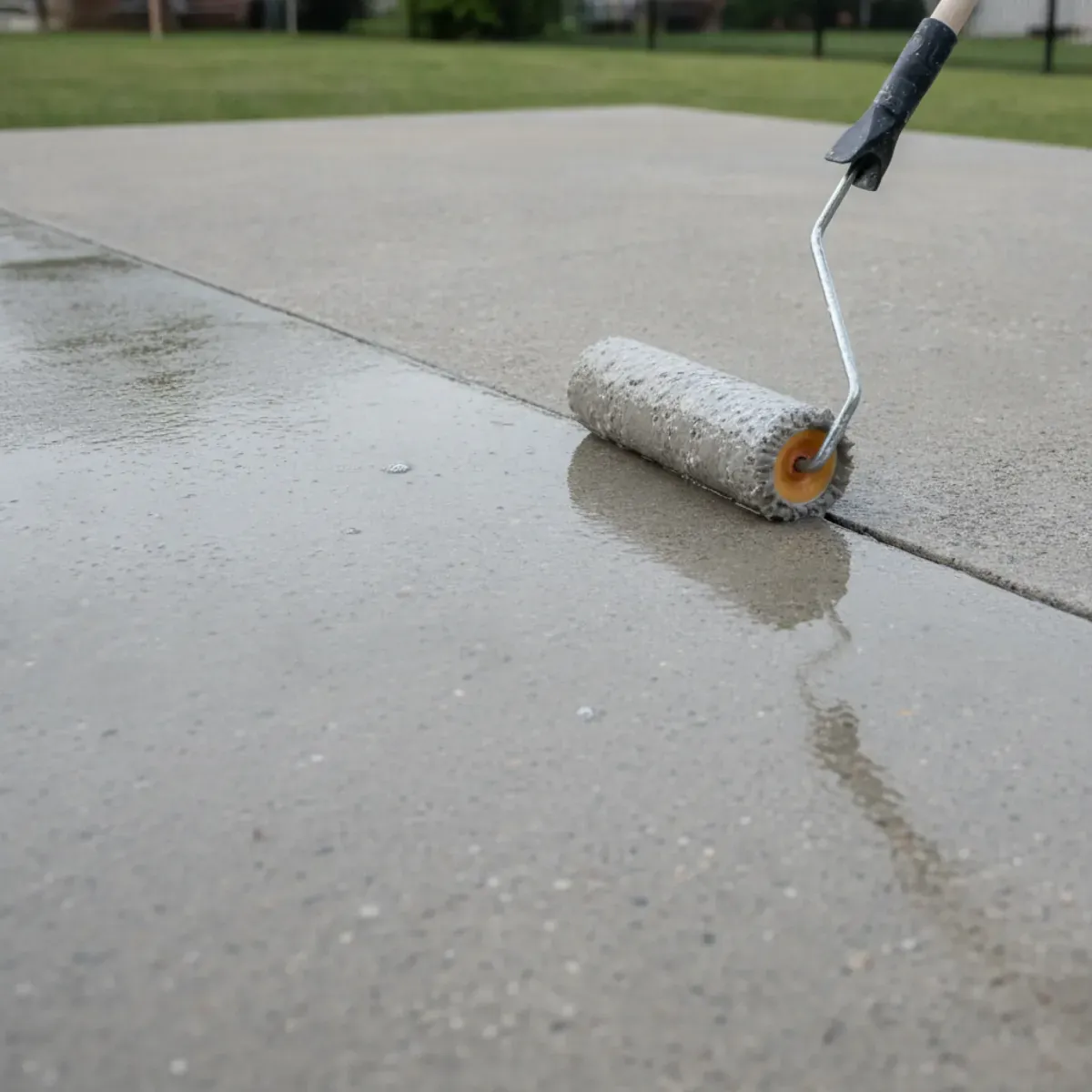
Sealer is the cheapest insurance a driveway gets. It guards against grease and oil stains, water, abrasion and deicing salt, and it buys you the minutes it takes to notice a drip and wipe it up before it soaks in.
On a plain driveway we use a penetrating silane siloxane sealer. It soaks in, leaves no film and does not change the texture underfoot. On stamped or colored concrete we use an acrylic or polyurethane film, which protects the color as well as the slab.
A professionally applied sealer on a dense slab holds three to five years. Decorative surfaces in full sun want attention every two to three years. The joints run on their own clock, which is covered in how often to reseal concrete joints.
Sometimes the stain is not the real problem. If the slab is sound but the surface is stained past saving, an overlay covers it, and an overlay versus a new slab lays out what each one costs. If the concrete is also cracked, sunken or pitting, start with repair versus replacement on a driveway instead, because cleaning a slab that is on its way out is wasted work.
Four questions settle it. How old is the stain, how big is it, is the concrete plain or decorative, and is the leak that made it fixed yet. Answer those and the method picks itself.
Most of them, yes, but not with soap and a brush. An old stain sits deep in the pores, so it takes a poultice that dissolves the oil and wicks it back out, or a microbial cleaner that digests it over several days. Expect a faint shadow on a stain that has been there for years.
It helps on a fresh spill, after you have soaked up the loose oil with cat litter. Dish soap cuts grease on the surface but it does not reach oil that has already sunk in. Once it stops making a difference, move up to a concrete degreaser.
Not on its own. Water alone pushes oil deeper and widens the ring. Used after a degreaser has been scrubbed in and is still wet, a pressure washer does a lot of good. On driveways around Cherry Hill we use a hot water wash with a degreaser, which is a long way from a cold rental unit and a garden hose.
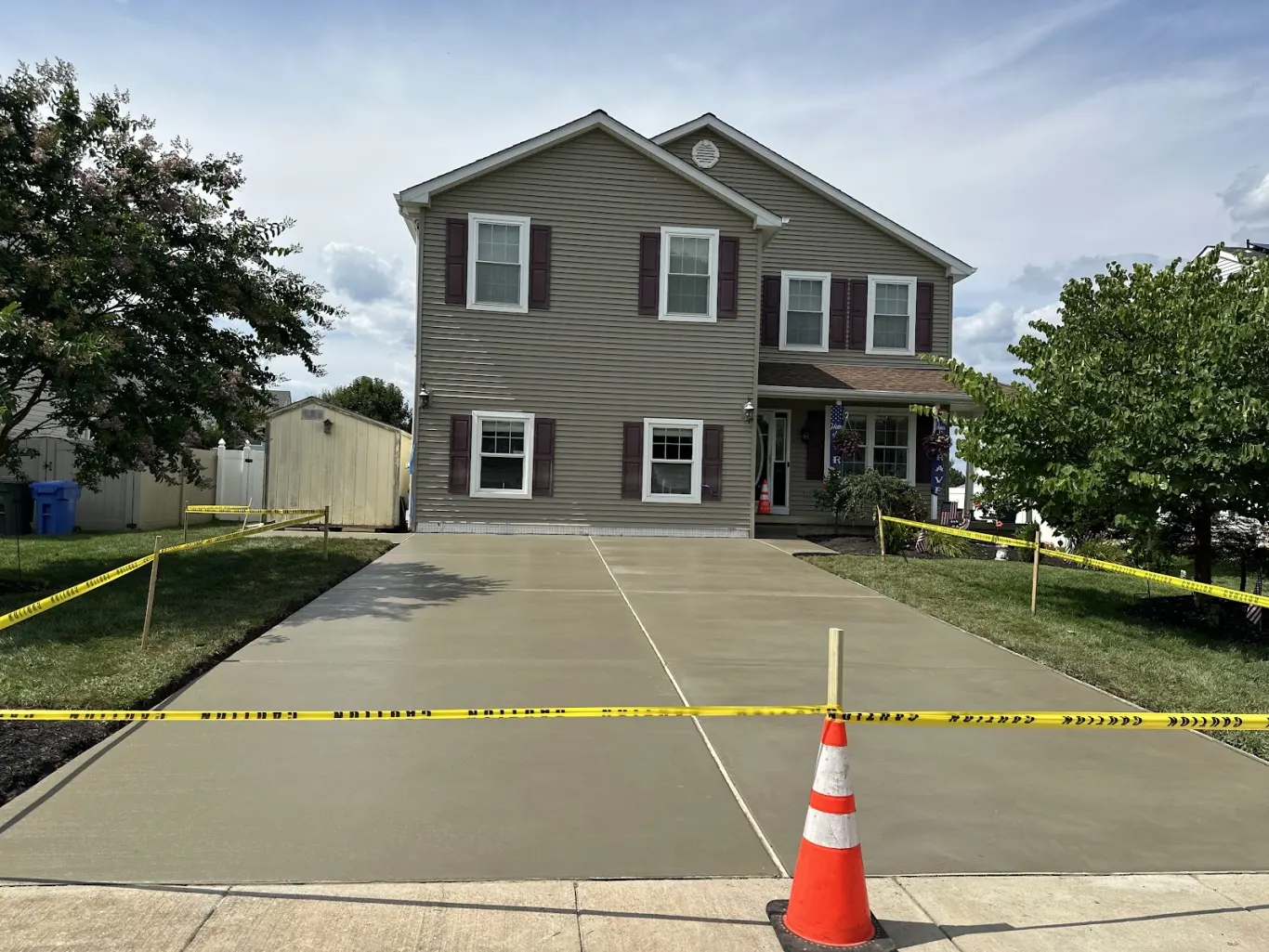
Papaneri & Sons Concrete cleans, seals, resurfaces and replaces driveways across Cherry Hill, Marlton, Mount Laurel, Moorestown, Voorhees and Haddonfield. Tell us how long the stain has been there and we will tell you whether it cleans up or needs covering.