
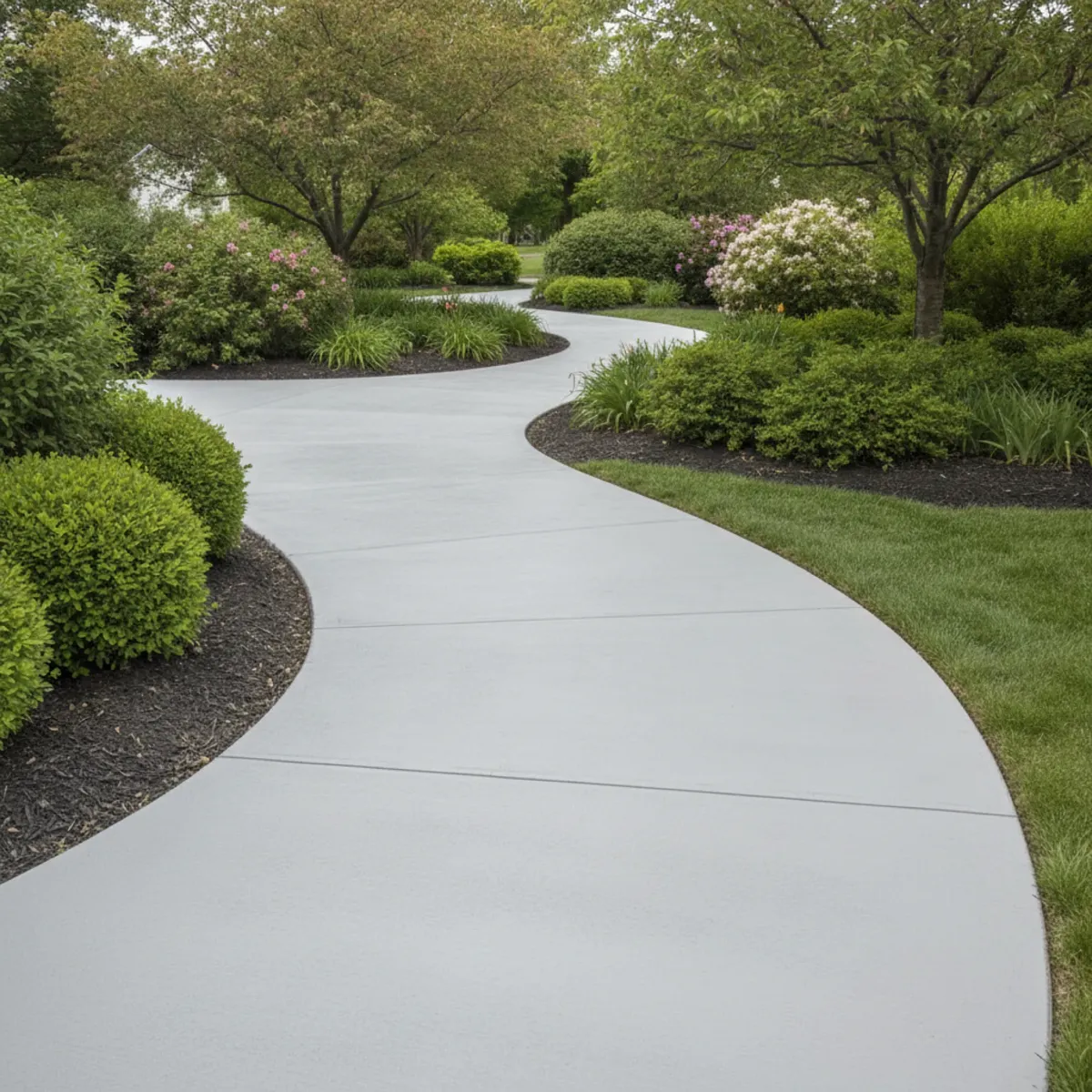
An overlay usually costs about half as much as tearing out and pouring new. It only saves money if the slab underneath is still solid.
A concrete overlay costs $3 to $7 per square foot. A new concrete driveway costs $6 to $15, according to HomeGuide's 2026 concrete resurfacing cost guide. Add the cost to break out the old slab, and an overlay often saves half or more.
The catch is the slab underneath. Papaneri & Sons has resurfaced and replaced concrete across South Jersey since 1987. An overlay on a sound slab is a smart buy. An overlay on a failing slab is money down the drain.
This post compares the two on price and shows how to tell which one your concrete needs. For how we resurface a worn slab, see our concrete resurfacing page.
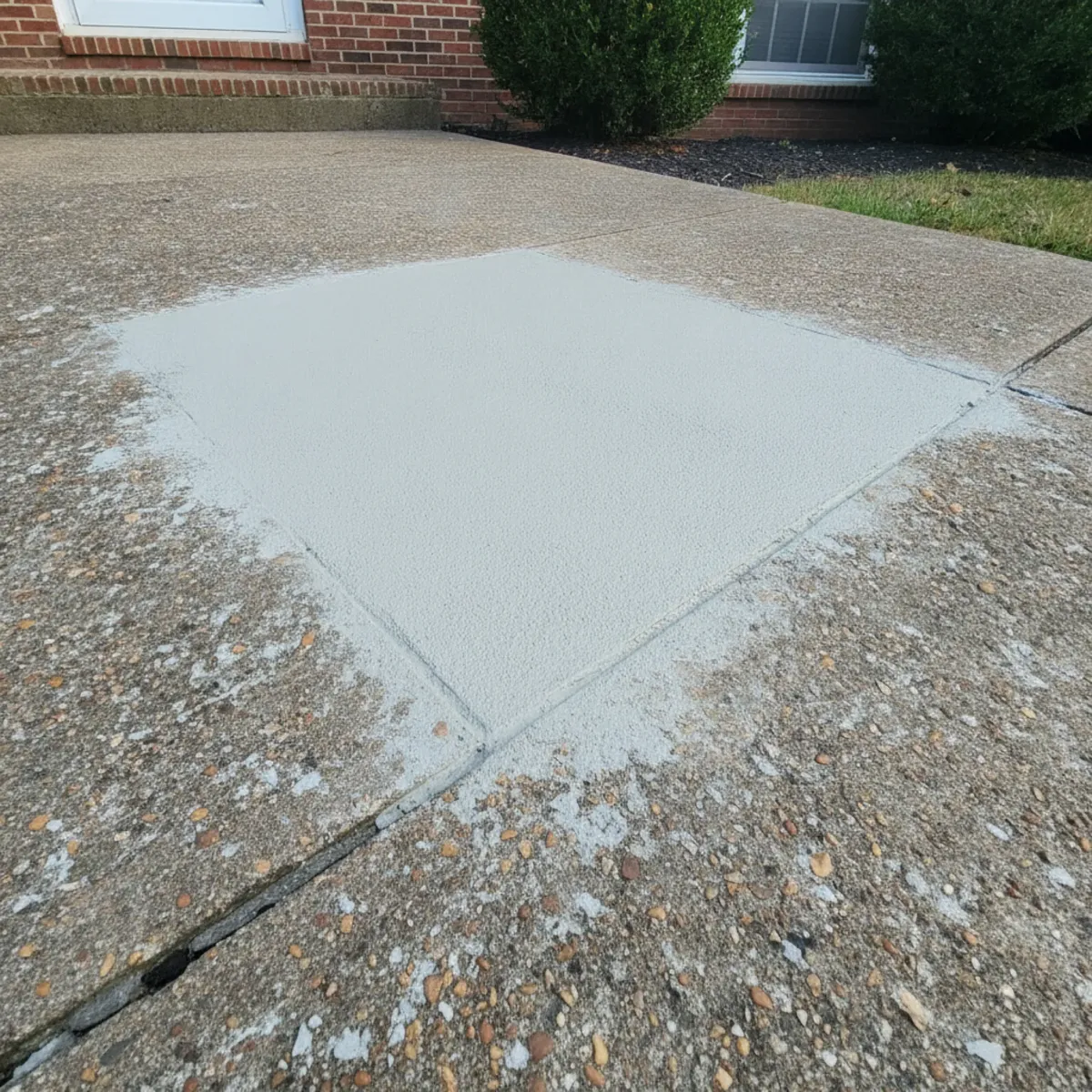
A concrete overlay is a thin layer of cement and polymer resin bonded to an existing slab. HomeGuide's resurfacing guide notes overlays range from a feather-thin skim coat up to about 2 inches thick.
Overlays cover surface damage. That includes flaking and spalling, pitting from salt, worn texture, stains, and small cracks that have been repaired first.
An overlay copies whatever is under it. If the slab has sunk, heaved, or cracked all the way through, the overlay will crack in the same places. It also cannot fix water that drains toward your house.
Micro-toppings and skim coats give a smooth, fresh surface. Stampable overlays can look like stone, brick, or tile. Self-leveling overlays are used on interior floors.
Overlays are not only plain gray. A smooth finish gives a clean, modern look. A brushed texture adds slip resistance on driveways and pool decks, and stamped or colored overlays can look like stone or brick.
HomeGuide reports that resurfacing lasts 8 to 15 years before it needs repairs. A well-built new slab lasts much longer, which matters when you compare cost over time.
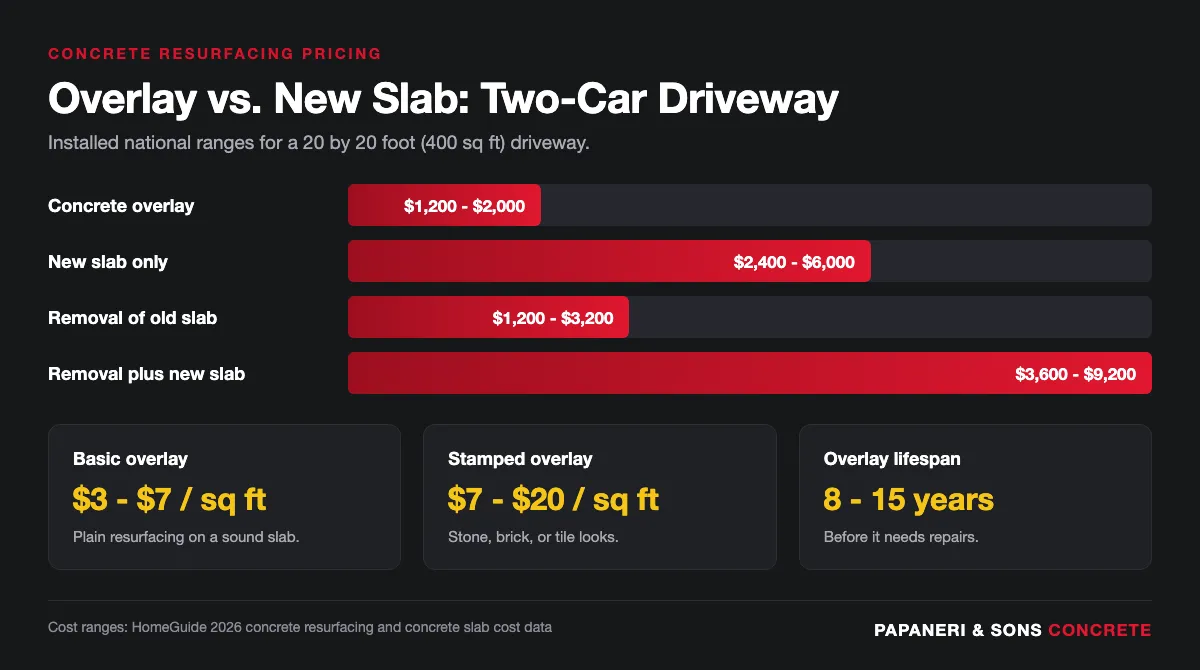
Here is how the numbers stack up, using HomeGuide's resurfacing costs and its concrete slab cost data.
Resurfacing a 20 by 20 foot driveway costs $1,200 to $2,000. A new 400 square foot driveway at $6 to $15 per square foot costs $2,400 to $6,000 before removal.
Breaking out and hauling away old concrete costs $3 to $8 per square foot, including disposal. On that same driveway, removal alone can add $1,200 to $3,200.
Resurfacing a patio or walkway runs $3 to $7 per square foot for a plain overlay. A new concrete patio runs $4 to $12 per square foot, plus removal.
Stamped overlays run $7 to $20 per square foot. That can still beat tearing out an old slab and pouring new stamped concrete, which runs $7 to $18 per square foot plus removal.
Resurfacing concrete steps costs $150 to $500. Pouring new steps costs $200 to $400 per step installed, and removing the old steps adds $250 to $500.
For a typical driveway, an overlay might run $1,200 to $2,000. Tear-out and a new pour might run $3,600 to $9,200. That gap is why an overlay is worth checking first.
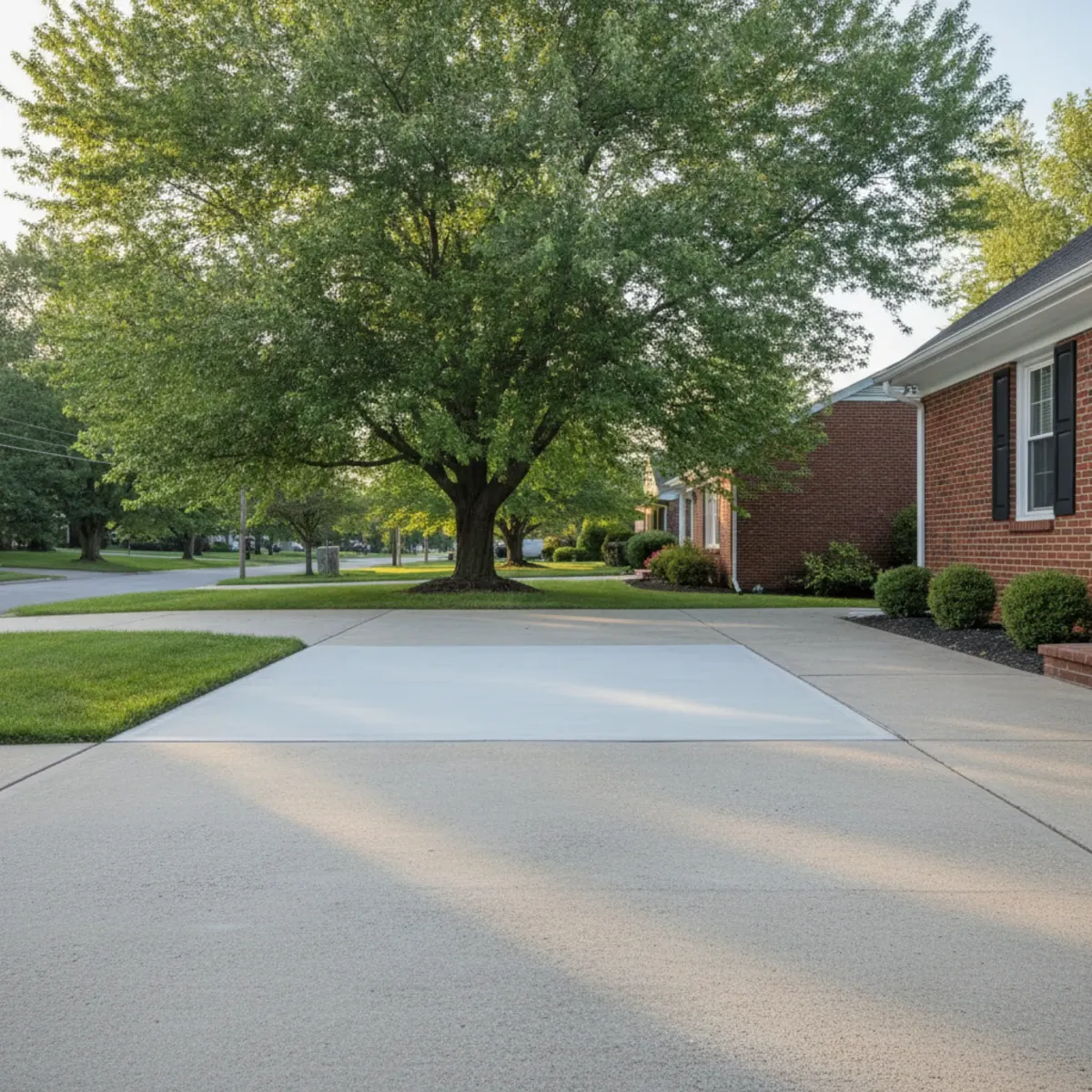
Papaneri & Sons applies bonded overlays that renew a worn but sound surface without a full tear-out. The lesson we come back to is that prep decides whether an overlay lasts.
Good resurfacing starts with honest surface prep. We pressure wash the slab, grind or shot-blast the surface to open it up, and fill cracks and spalled spots. Skipping that step is how resurfacing jobs fail within a year.
The second lesson is knowing when to say no. If a slab has major cracking, settling, or drainage problems, we recommend removing it and starting fresh. An overlay on a moving slab just hides the problem for a season.
Freeze-thaw winters make that call more important here. HomeGuide notes that concrete over 40 years old or with major cracks is a good candidate for replacement, per its slab cost guide. Water in a cracked slab freezes, expands, and breaks any thin layer on top.
There is a paperwork upside to overlays, too. In our experience, most residential resurfacing in Cherry Hill does not need a permit, because it covers an existing slab. New pours usually do.
Start with a simple check. Walk the slab and look for panels that rock, sink, or sit higher than their neighbors. Movement means replacement.
Next, look at the cracks. Hairline cracks and surface flaking are overlay territory. Wide cracks that run all the way through, or cracks that keep growing, point to a base problem.
If you are not sure what the cracks mean, our guide to concrete crack repair versus replacement walks through each type.
For driveways, compare all three options side by side. Our breakdown of driveway repair versus replacement covers patching, resurfacing, and new pours.
If replacement wins, know what removal will cost before you commit. Our guide to concrete removal cost in South Jersey explains what drives that number.
Ask how the overlay will be sealed and how often. A sealer protects the new surface from salt and stains, and resealing on schedule helps it reach the long end of its lifespan.
Finally, think about how long you plan to stay. An overlay buys 8 to 15 years. A new slab can outlast your time in the house.
Yes, if the cracks are small and the slab is stable. The cracks get cleaned and filled first so the overlay bonds to solid concrete. If the slab is moving, the cracks will come right back through.
Most overlays are thin. Skim coats can be a small fraction of an inch. Stamped overlays run about a quarter to three quarters of an inch, and self-leveling overlays can reach 2 inches. The thickness depends on the look and the use.
It is worth it when the driveway is level and solid but the surface is flaking or worn. Salt and freeze-thaw damage can stay in the top layer when the base is sound. Papaneri & Sons resurfaces and replaces driveways across Cherry Hill, Voorhees, and Haddonfield.
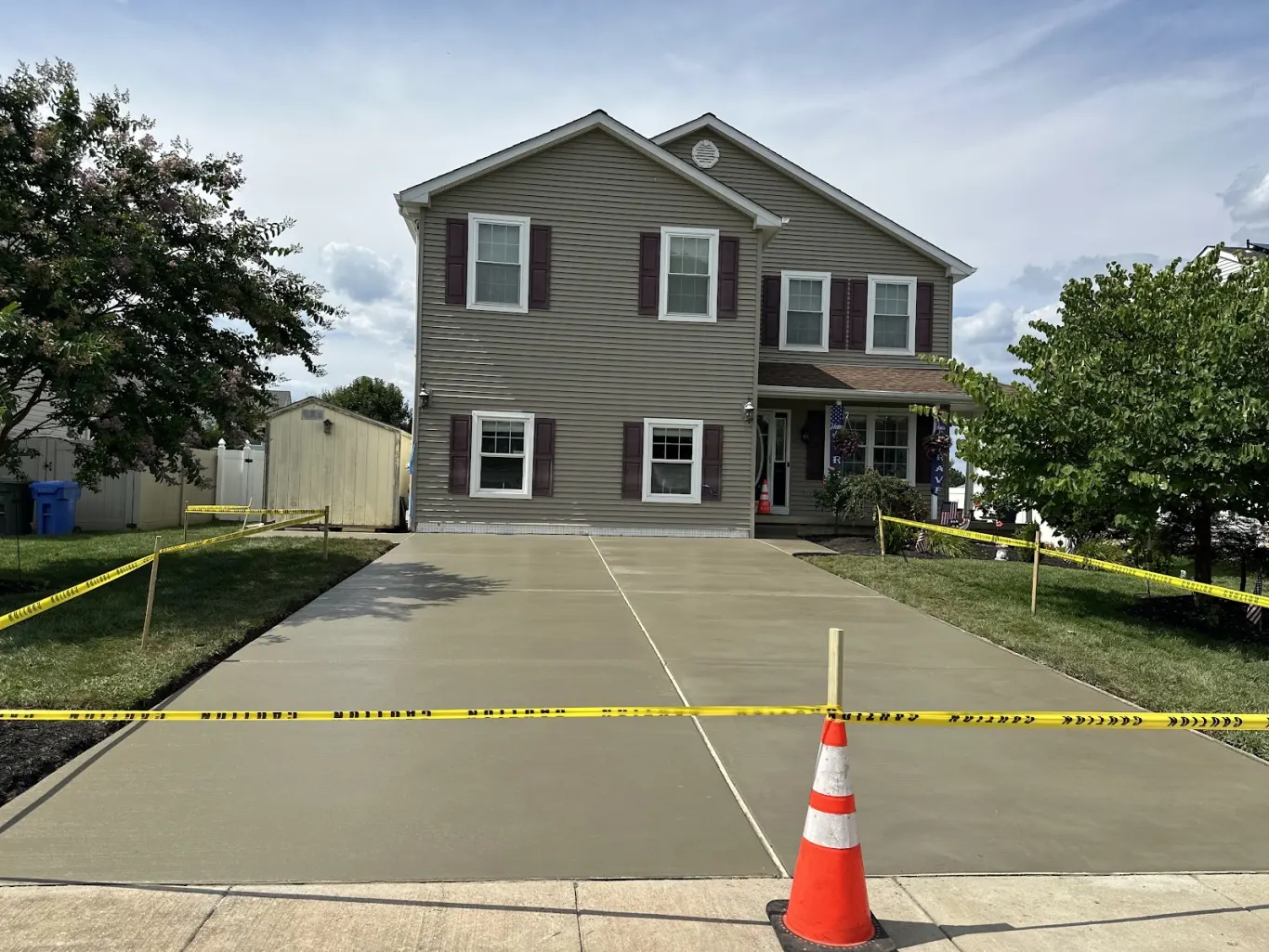
A walkthrough tells you in a few minutes whether an overlay will hold or whether new concrete is the better spend. Papaneri & Sons serves Cherry Hill, Marlton, Mount Laurel, Moorestown, and Cinnaminson. Family crew since 1987, ACI certified, and a 4500 PSI mix on every new pour.