
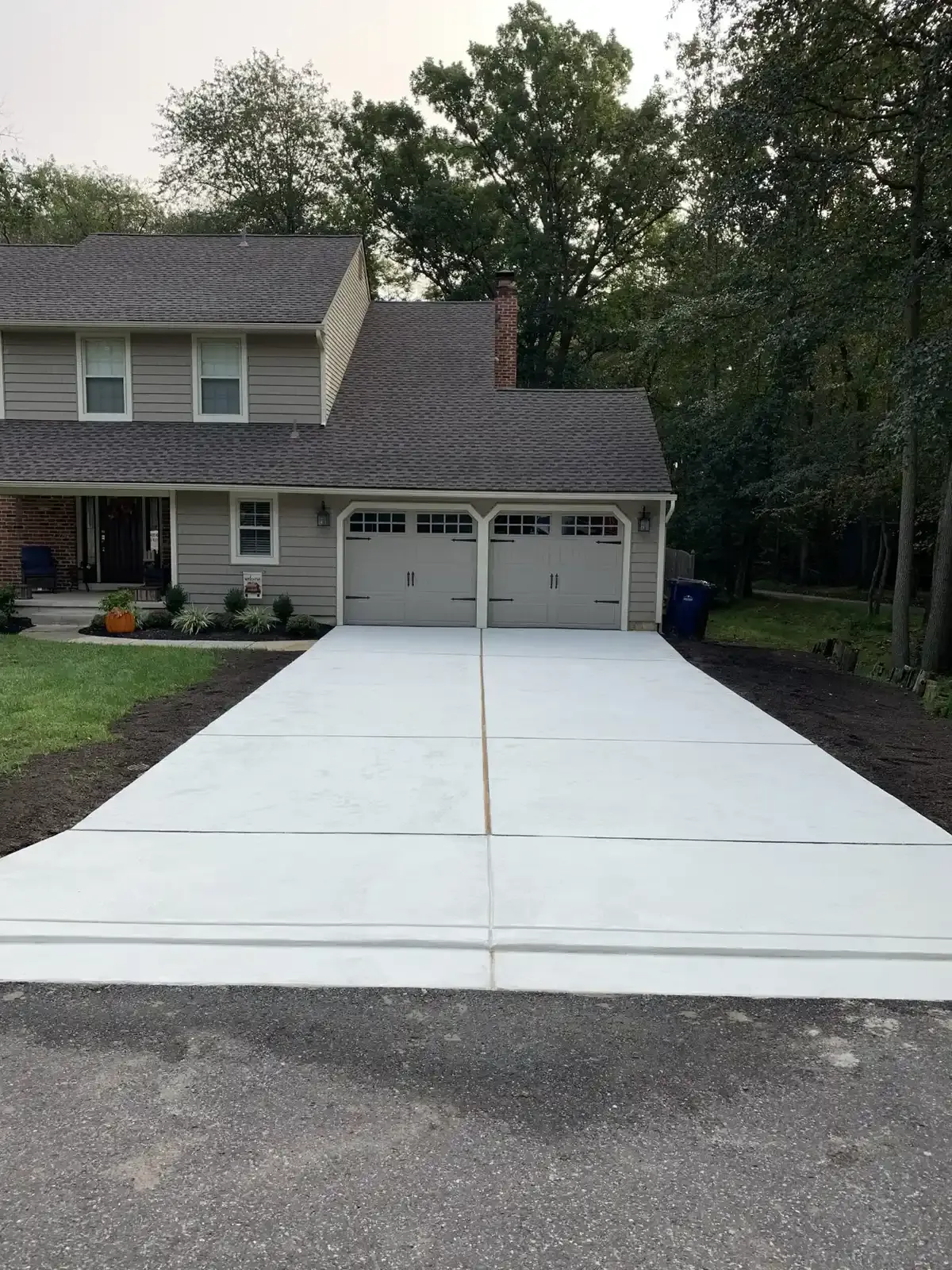
Plan on resealing every 3 to 10 years, depending on the sealant. Check the joints every spring and fall so you catch failures early.
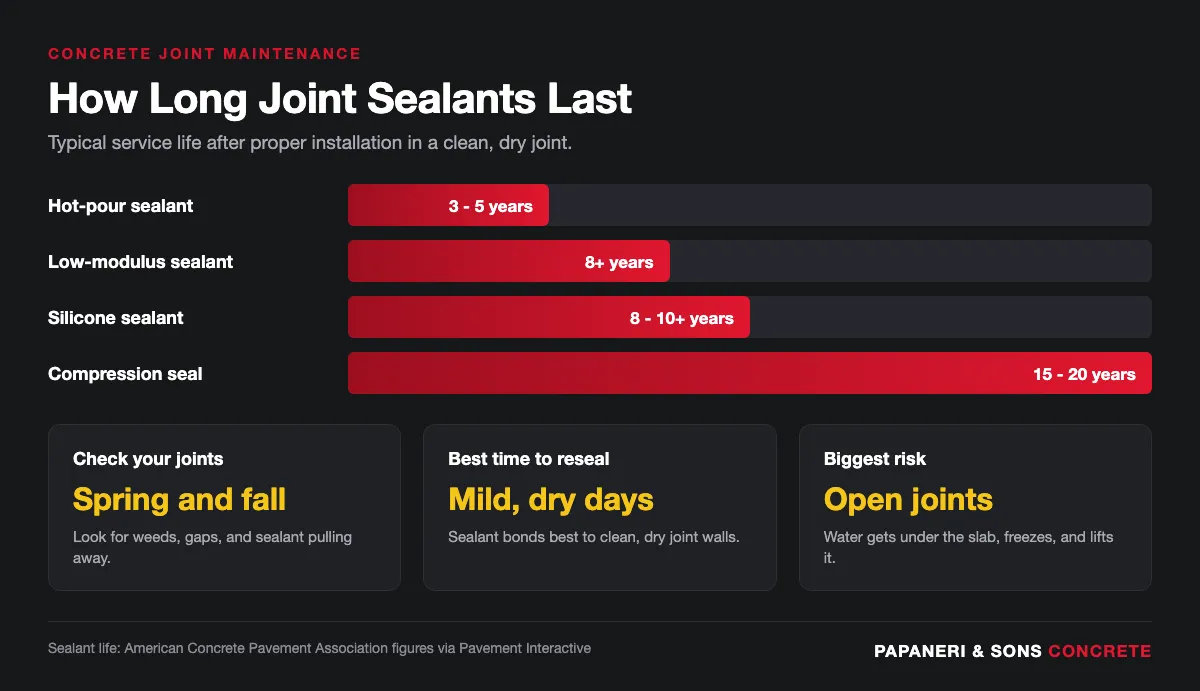
Most concrete joints need resealing every 3 to 10 years. Hot-pour sealant lasts about 3 to 5 years, per American Concrete Pavement Association figures shared by Pavement Interactive. Silicone sealant has lasted 8 to 10 years or more on roads.
The right schedule for your driveway depends on what is in the joint now and how much water and ice it sees. Papaneri & Sons has placed, cut, and resealed joints across South Jersey since 1987.
This post explains how long each type lasts, how to tell a joint has failed, and what resealing involves. For joint work on your own slab, see our concrete expansion joints page.
Joint sealant keeps water, dirt, and small stones out of the gaps between concrete panels. Every material breaks down over time. Some just break down much faster than others.
Hot-pour sealant is common on roads and lots. The ACPA figures quoted by Pavement Interactive put its average life at 3 to 5 years after proper installation.
These softer products stretch more as the slab moves. The same source notes some can perform well past 8 years.
Silicone stays flexible in heat and cold. On roadways, silicone has performed well for 8 to 10 years or more.
Polyurethane is a common choice for home driveways and patios. It grips concrete well and stays flexible. Like silicone, it lasts longest when it goes into a clean, dry joint with backer rod behind it.
These are preformed rubber strips squeezed into the joint. They often last more than 15 years and sometimes 20, but they are mostly used on highways and large commercial slabs.
Many older driveways have wood fiber strips in the joints. Those strips rot, break down, and wash out, leaving an open gap full of dirt and weeds.
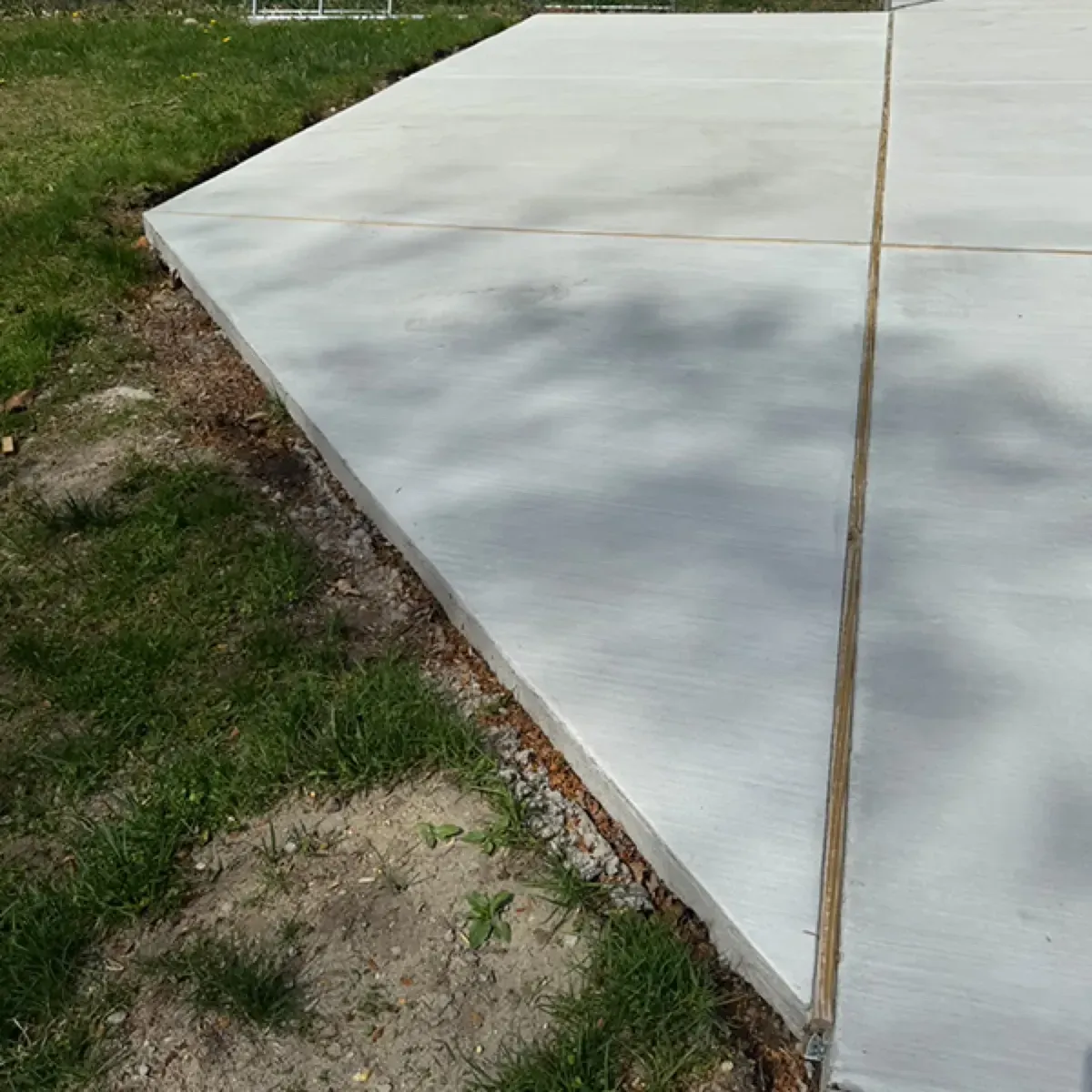
Here is a simple schedule based on the ACPA sealant life figures. Use the low end of each range if your joints see heavy traffic, lots of water, or road salt.
Joints filled with hot-pour sealant. Check these every year, because they are the first to crack and pull away.
Joints filled with low-modulus sealants. Check them yearly after year five.
Joints filled with a quality silicone sealant that was installed in a clean, dry joint.
Joints filled with preformed compression seals, which often last beyond 15 years. The FHWA joint sealing checklist shows how carefully road crews inspect joints before and after sealing.
Resealing is a small job next to slab work. HomeGuide lists a new concrete driveway at $6 to $15 per square foot in its resurfacing cost guide. Keeping water out of the base protects that investment.
The ACPA notes that sealant life hinges on joint prep. The joint must be clean and dry when the sealant goes in. A rushed job can fail in a single season, no matter the product.
Papaneri & Sons checks the joints on every repair job we quote. Many of the cracked slabs we look at started as an open joint nobody thought about.
In South Jersey winters, an open joint is the fastest route for water to get under a slab. The water freezes, expands, and lifts the panel. Once a panel lifts, you have a trip edge and a bigger repair.
Our resealing process is simple. We rout out the old material, clean the joint walls, and install backer rod where the depth calls for it. Then we place a flexible sealant that can stretch as the slab moves.
We also reseal the seam between a slab and a house wall. The National Ready Mixed Concrete Association explains that isolation joints let a slab move on its own, apart from walls and footings. When that seam opens, water ends up inside the foundation instead of under the slab.
We also look at what is in the gap before we quote. Old fiber board needs to come all the way out. Leaving rotted strips under new sealant is like painting over wet wood.
The good news is cost. Resealing is inexpensive next to slab replacement. On most driveways it takes a few hours and buys years of extra life.
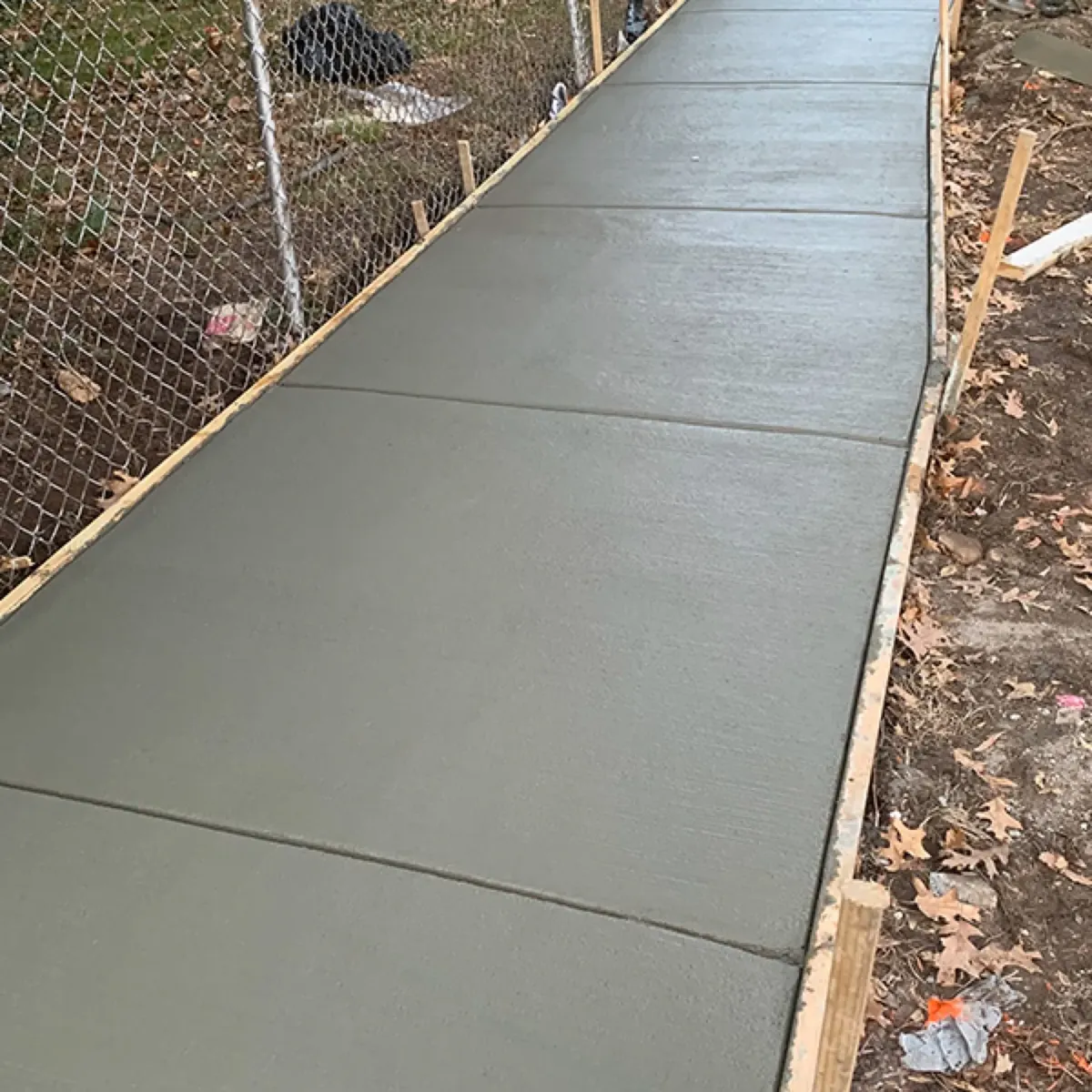
Walk your driveway, patio, and walks every spring and fall. You are looking for gaps, not perfection.
Look for weeds in the gap, sealant pulling away, chipped edges, or one panel sitting higher than the next. Any one of those means water is getting in.
Check for cracks running beside a joint, too. That usually means the joint was cut too shallow or too late. Our guide to concrete control joint spacing explains how deep and how far apart joints should be.
If a crack has already opened across a panel, the joint may not be the only fix. Our guide to concrete crack repair versus replacement covers what can be saved.
If whole sections have sunk or broken, compare the options in our breakdown of driveway repair versus replacement.
Keep weeds and dirt out between reseals. Pull anything growing in the joints and blow them clean in the fall. It takes minutes and makes the next reseal faster.
Reseal in mild, dry weather. Sealant bonds best to clean, dry joint walls, so avoid wet days and hard freezes.
You can on a small patio or walk. The hard part is removing all the old material and getting the joint clean and dry. Use backer rod in deep joints and a flexible, self-leveling sealant made for concrete.
Flexible sealants such as silicone or polyurethane work best on driveways and patios because they stretch as the slab moves. Rigid fillers crack and pull away. Always match the product to the width and depth of the joint.
Late spring and early fall are ideal here, when joints are dry and temperatures are mild. Resealing before winter keeps water from freezing inside the gaps. Papaneri & Sons reseals joints across Cherry Hill, Haddonfield, and Mount Laurel.
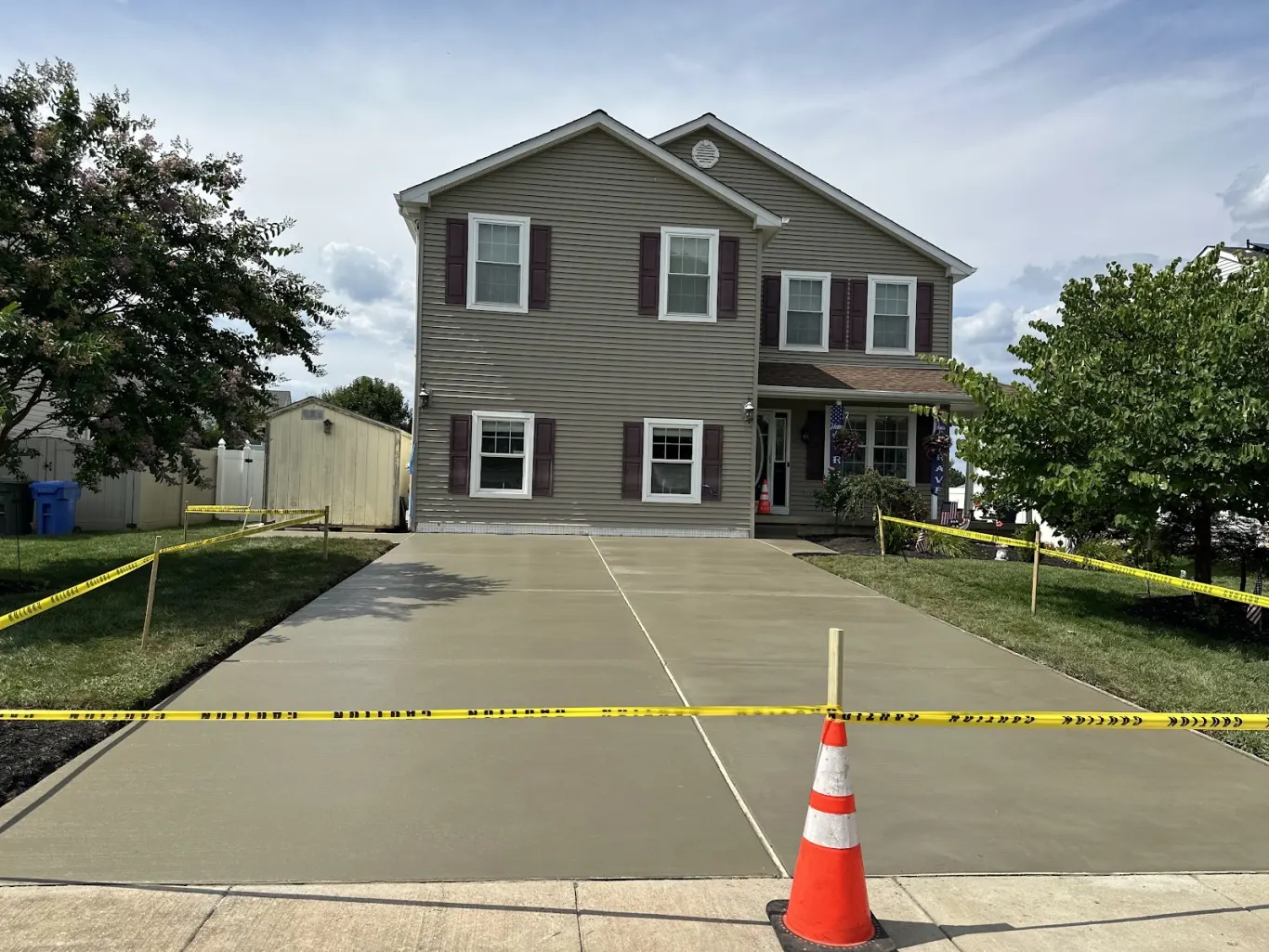
A quick look at your joints tells you whether they need a reseal, a repair, or nothing at all for now. Papaneri & Sons serves Cherry Hill, Voorhees, Marlton, Moorestown, and Cinnaminson. Family crew since 1987, ACI certified, licensed, and insured.