Joints placed, cut, and sealed so your slab moves where it should. Papaneri & Sons has jointed South Jersey concrete since 1987. Family owned, licensed, and insured.
Enter your info below.
We'll call you back shortly to set up your free on-site estimate. For anything urgent, call (856) 354-9338.




Every slab shrinks as it cures and swells when it heats up. Joints give that movement a planned place to go, which is what keeps cracks off the middle of your driveway.
Papaneri & Sons Concrete has been placing and maintaining joints across Cherry Hill and South Jersey since 1987. We are family owned, ACI certified, licensed, and insured.
We install expansion joints on new pours, cut control joints at the right spacing and depth, and clean out and reseal failed joints on existing concrete.
This is the least glamorous part of a concrete job and one of the most important. A slab with bad joints will crack no matter how good the mix was.
Joint work runs through every pour we do. See all of our concrete services in Cherry Hill, or call (856) 354-9338 and we will look at your joints.
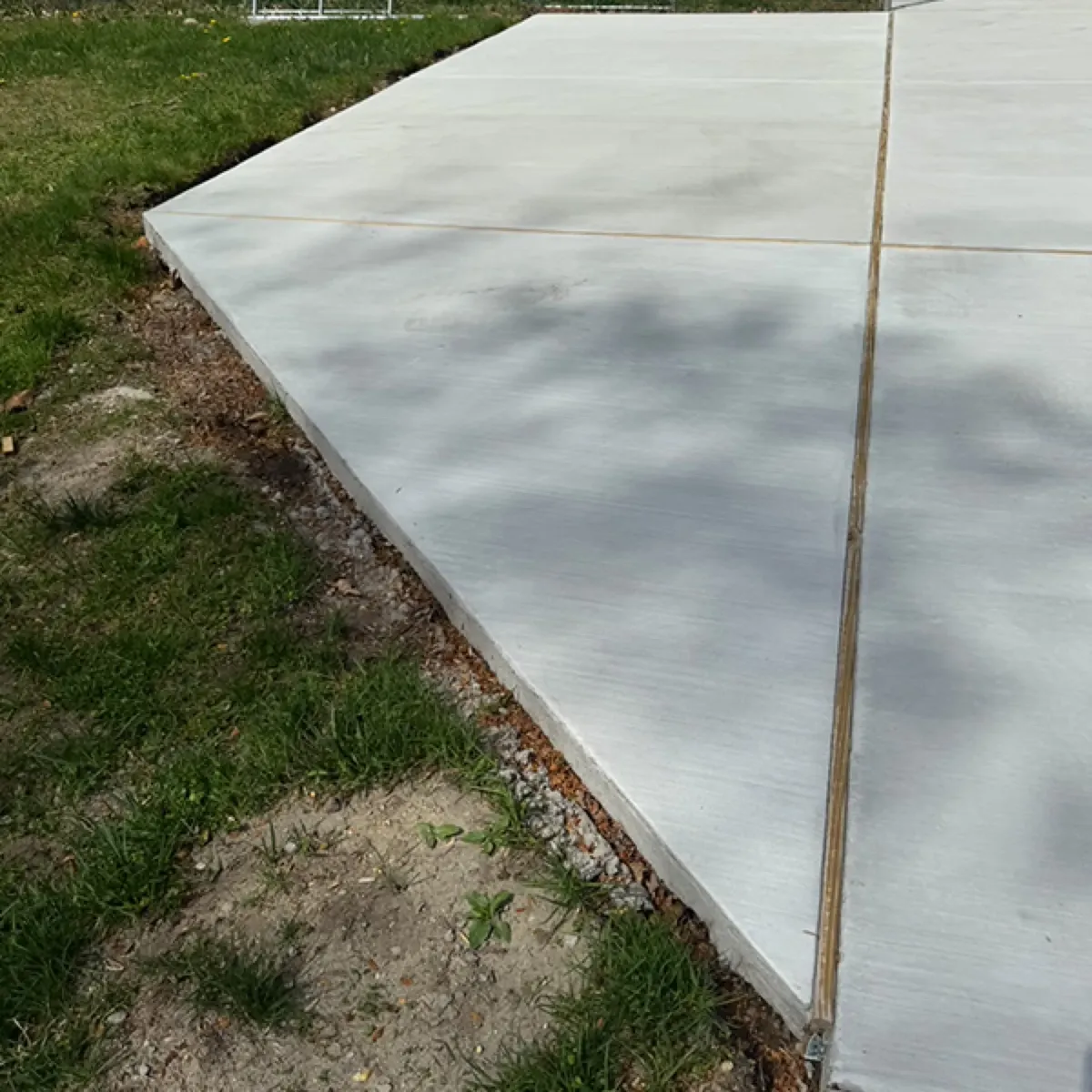
People use the words interchangeably, but they do two different jobs. Knowing the difference explains why a slab cracked where it did.
These run the full depth of the slab and separate it from other slabs, walls, columns, and foundations. Compressible filler in the gap gives concrete room to grow without pushing on anything.
These are cut or tooled partway into the top of the slab, usually about a quarter of its thickness. They create a weak line so shrinkage cracks form there, straight and out of sight.
Where a slab meets a garage foundation, a step, a post, or a column, an isolation joint keeps the two from binding as they move at different rates.
Where one day's pour meets the next, the edge gets keyed or doweled so the two sections stay level with each other under load.
Most residential driveways and patios need control joints and isolation joints. Larger slabs, commercial floors, and anything that abuts a building also need true expansion joints.
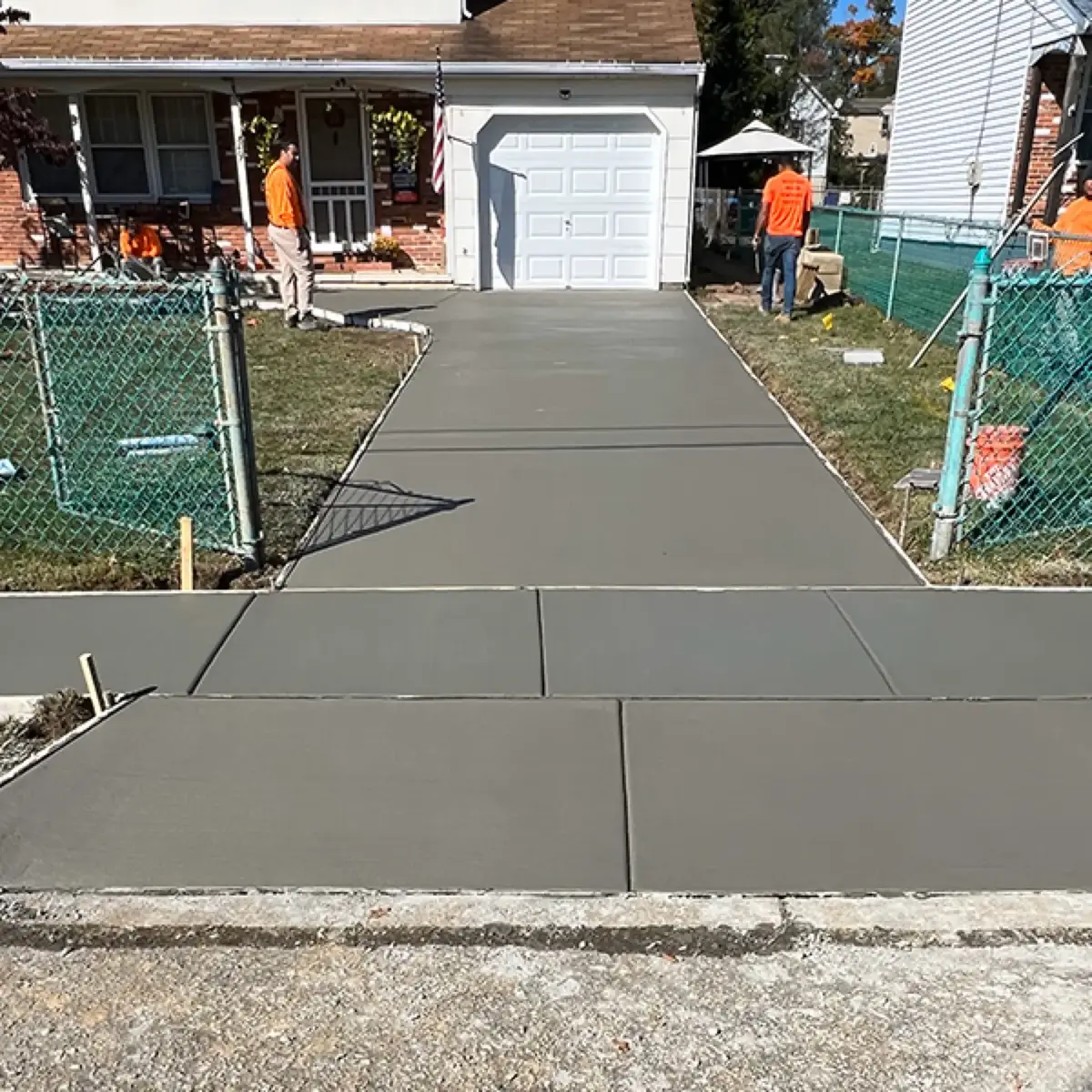
We plan the whole layout before the pour. Marking joints after the concrete is down is how you end up cutting through a crack that already formed.
Filler choice matters as much as placement. Fiber board, foam, cork, and flexible sealants each handle a different amount of movement. We pick based on the slab size, the exposure, and what the joint has to do.
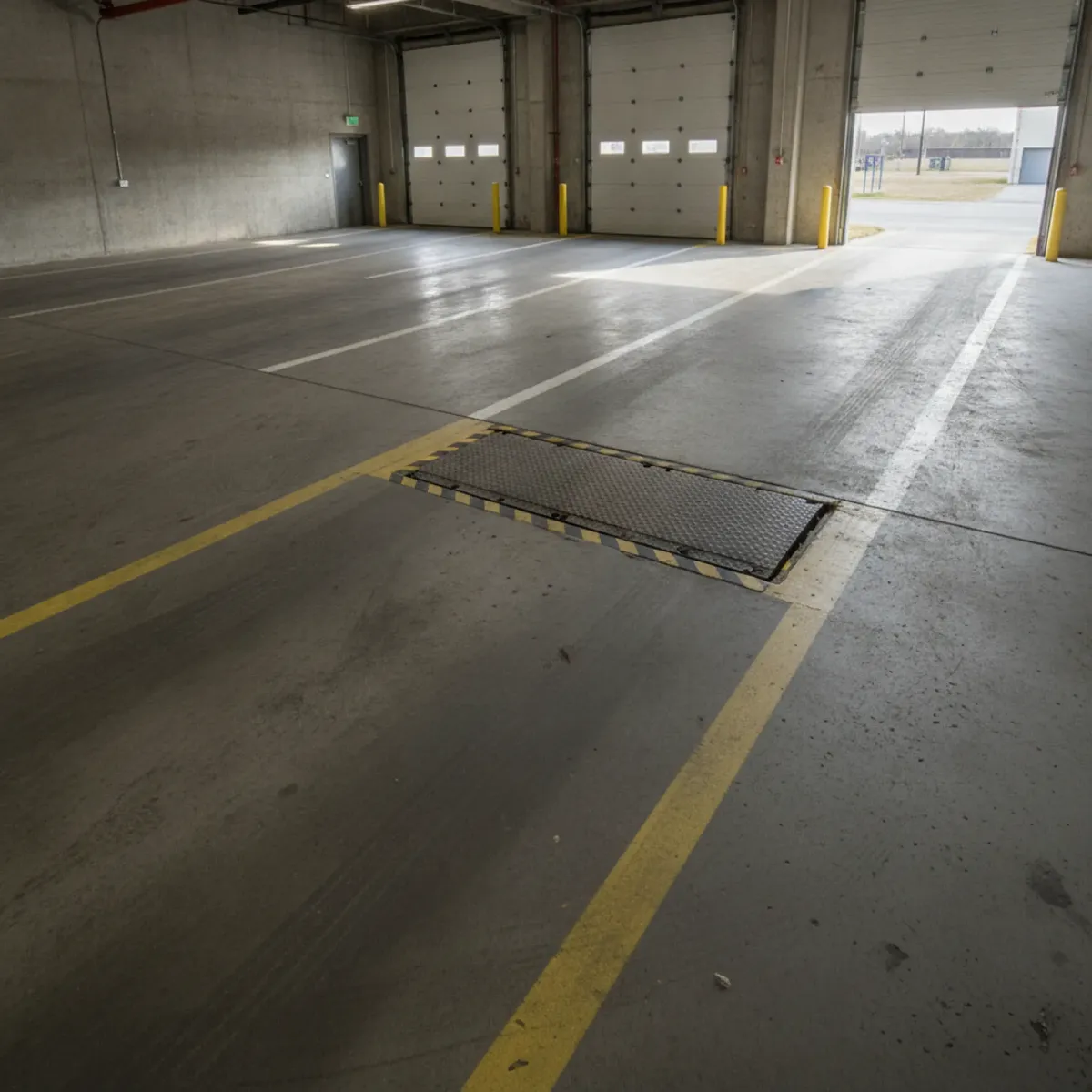
Two numbers decide whether joints do their job. How far apart they sit and how deep they go into the slab.
A common rule of thumb is two to three feet of spacing for every inch of thickness. On a four inch slab that puts joints roughly eight to twelve feet apart.
Put simply, slab thickness sets your joint spacing.
A control joint cut about a quarter of the way through gives the slab a reliable weak line. Cut it too shallow and the concrete cracks somewhere else.
Long, narrow panels crack across the middle. We lay out joints so each panel stays close to square, with a ratio no worse than about 1.5 to 1.
Saw cutting happens in a short window after finishing, usually the same day. Cut too early and the edges ravel, too late and the slab has already cracked.
Re-entrant corners get extra attention. Any inside corner around a garage, a step, or a post concentrates stress and needs a joint running off it.
On a driveway we also joint at the apron and where the concrete meets the garage. Those edges move the most and crack first when they are ignored.
Doweled joints come into play on driveways and lots that carry heavy vehicles. Smooth steel dowels let two panels move apart while keeping their surfaces level, so one side never lifts higher than the other under a wheel.
For a closer look at the price, see control joint spacing chart.
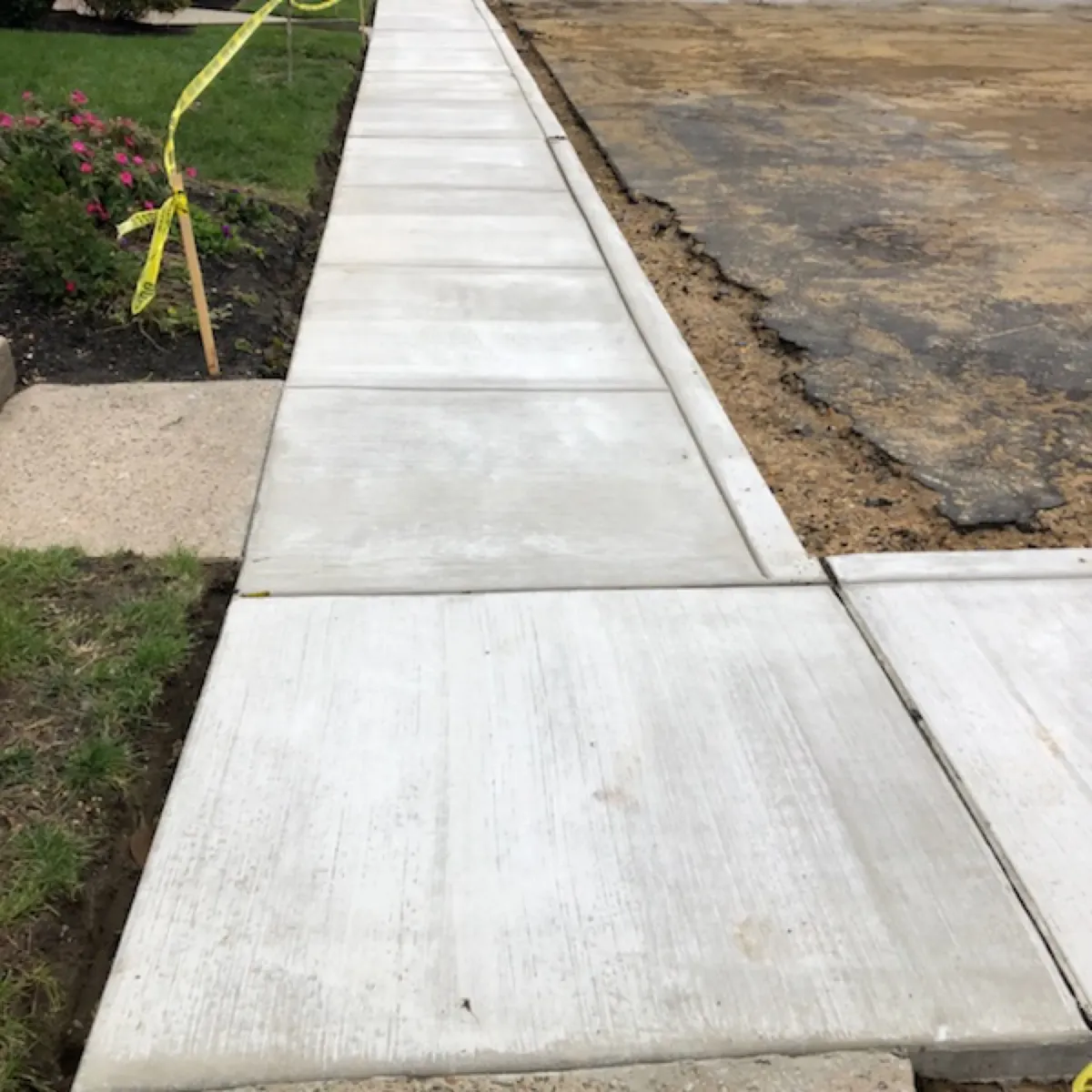
Joint filler does not last forever. Once it dries out, shrinks, or falls out, the joint turns into an open channel that feeds water straight into your base.
The wood fiber strips used in older driveways break down and wash out. What is left is a gap full of dirt, weeds, and standing water.
Sealant pulls away from the joint walls over time. Water gets behind it, freezes, and starts widening the joint.
We rout out the old material, clean the joint walls, install backer rod where the depth calls for it, and place a flexible sealant that can stretch with the slab.
In South Jersey winters, an open joint is the fastest route for water to get under a slab, freeze, and lift it.
Resealing is inexpensive next to slab replacement. On most driveways it takes a few hours and buys years of extra life.
We check the joints on every repair job we quote. Half the cracked slabs we look at started as an open joint nobody thought about.
We also reseal the joint between a slab and a building wall. That seam is the one place where water getting in ends up inside the foundation instead of under the slab.
For a closer look at the price, see how often to reseal concrete joints.
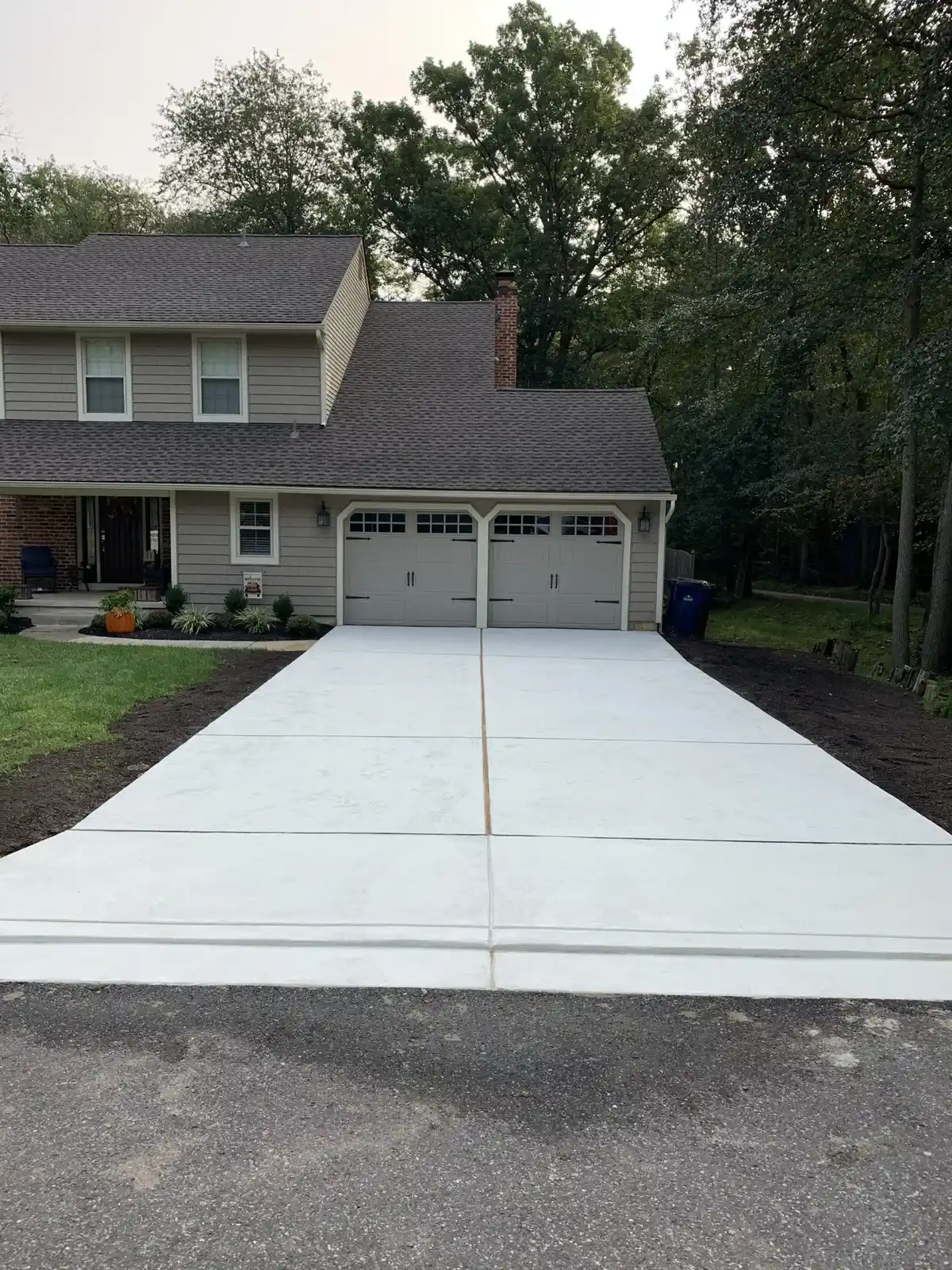
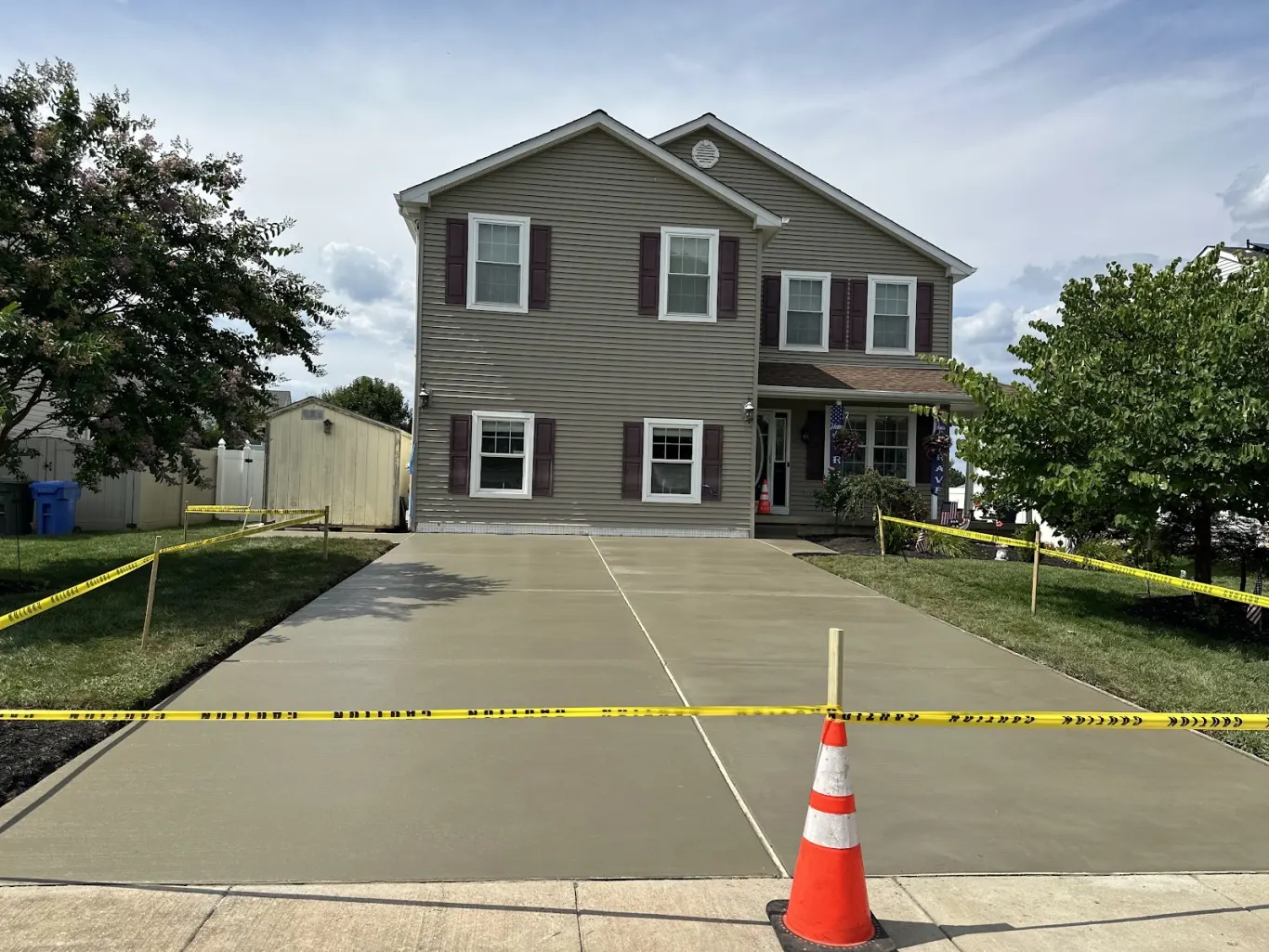
Papaneri & Sons has placed, cut, and sealed joints across South Jersey since 1987. ACI certified crews, planned layouts, clean saw cuts, and flexible sealants that last. Get your free estimate today.
Joint failures are easy to spot once you know what to look for. Catching them early is the cheapest concrete work you will ever pay for.
A crack a few inches away from a joint means the joint was too shallow or cut too late. The slab found its own line.
Anything growing in a joint means the filler is gone. Roots widen the opening and hold water against the slab edges.
Broken edges along a joint usually mean debris is packed in and the two panels are grinding on each other as they expand.
Uneven panels at a joint mean the base has washed out or the sections were never doweled together.
We can reseal most joints in place. When a panel edge has broken down badly, we saw cut and replace that strip before sealing.
On new work, we hand you the joint layout with the quote. You can see exactly where the slab is meant to crack before we pour a drop.
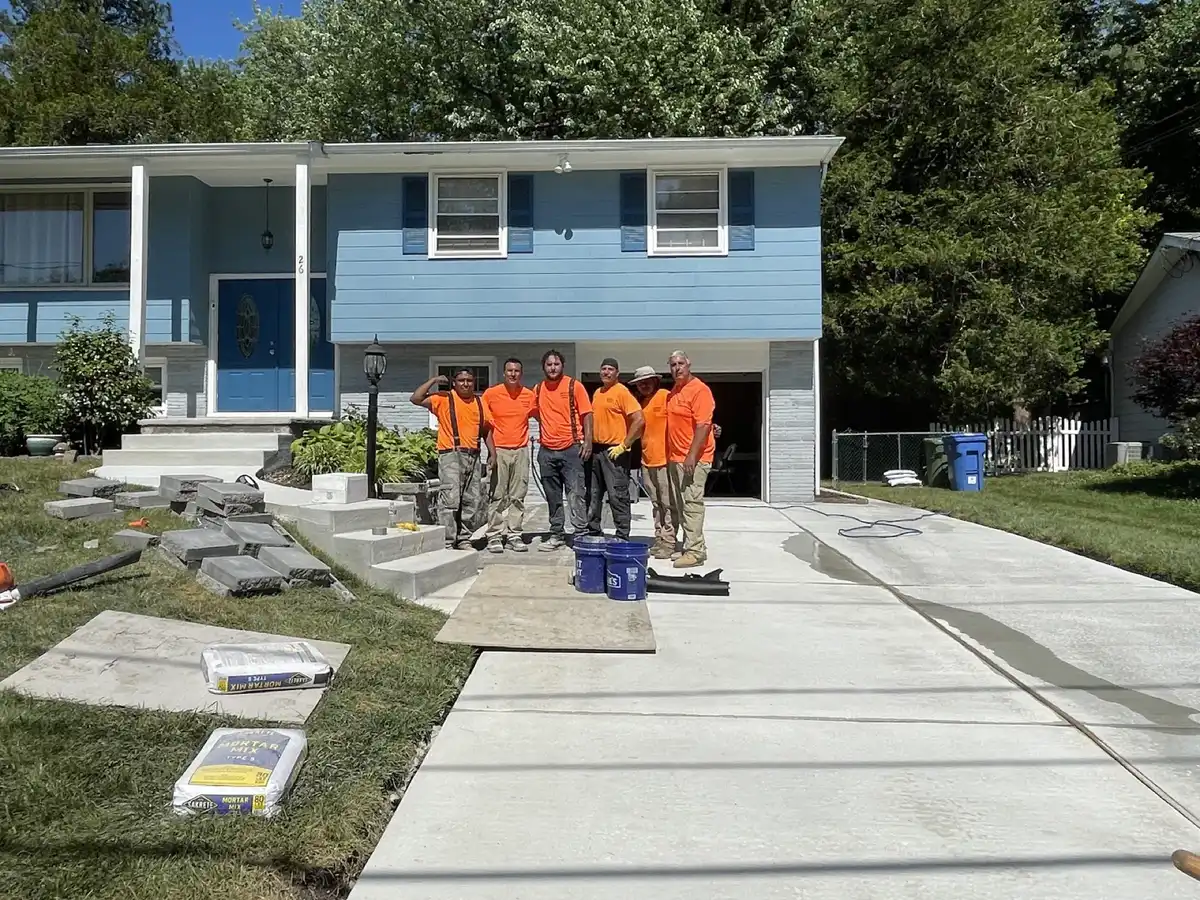
Joints are where experience shows. Spacing, depth, and timing are judgment calls made on the day, based on the slab, the mix, and the weather.
Three generations of the Papaneri family run every job. We have watched how our own slabs age across South Jersey for decades.
Our crews are trained to industry standards and fully insured, on new pours and on maintenance work alike.
Our crews stay on site to saw cut at the right time, even when that means coming back the same evening.
You get the joint plan before the pour, so there are no surprises about where the lines land on your driveway or patio.
An expansion joint runs the full depth of the slab and separates it from other structures so it can grow without pushing on them. A control joint is cut partway into the surface to steer shrinkage cracking into a straight line.
A common guide is two to three feet of spacing per inch of slab thickness, so a four inch driveway usually gets joints about eight to twelve feet apart. We keep each panel close to square as well.
Yes. We rout out the old filler, clean the joint, add backer rod where needed, and install a flexible sealant. Call Papaneri & Sons at (856) 354-9338 for a free estimate on joint resealing.
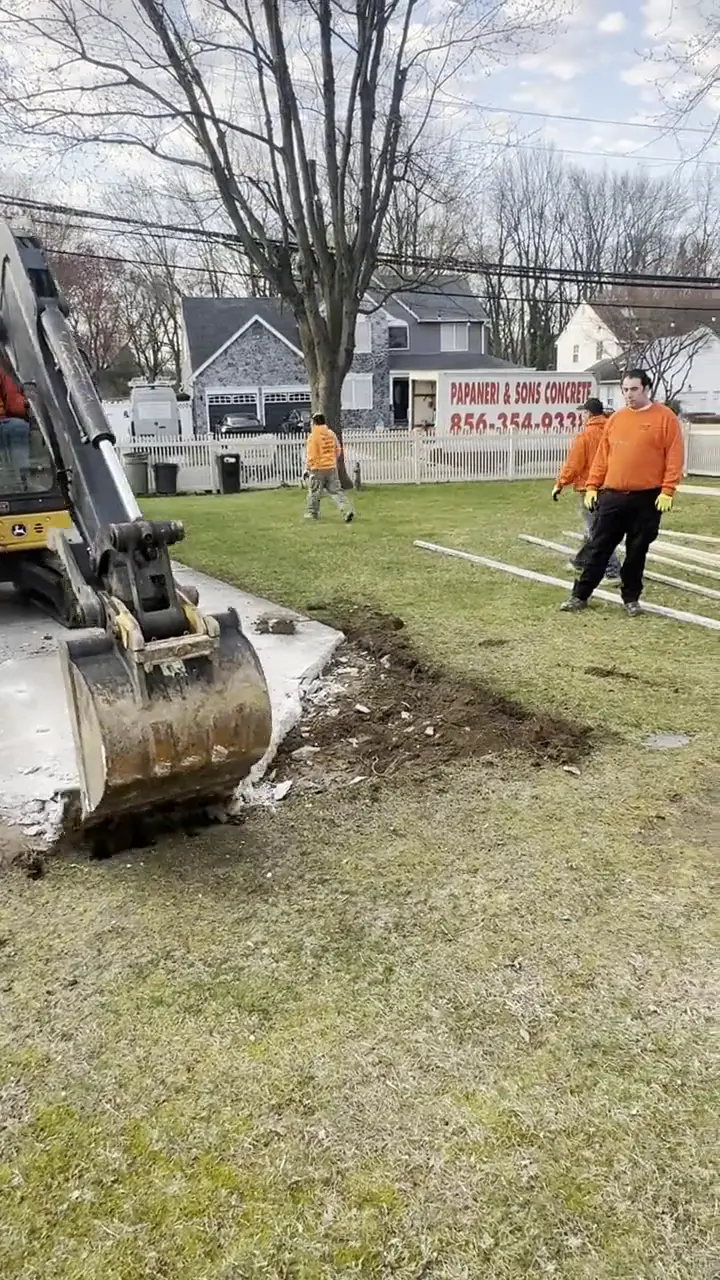
Saw cutting and core drilling for joints, section removal, and openings in existing concrete.
Learn more →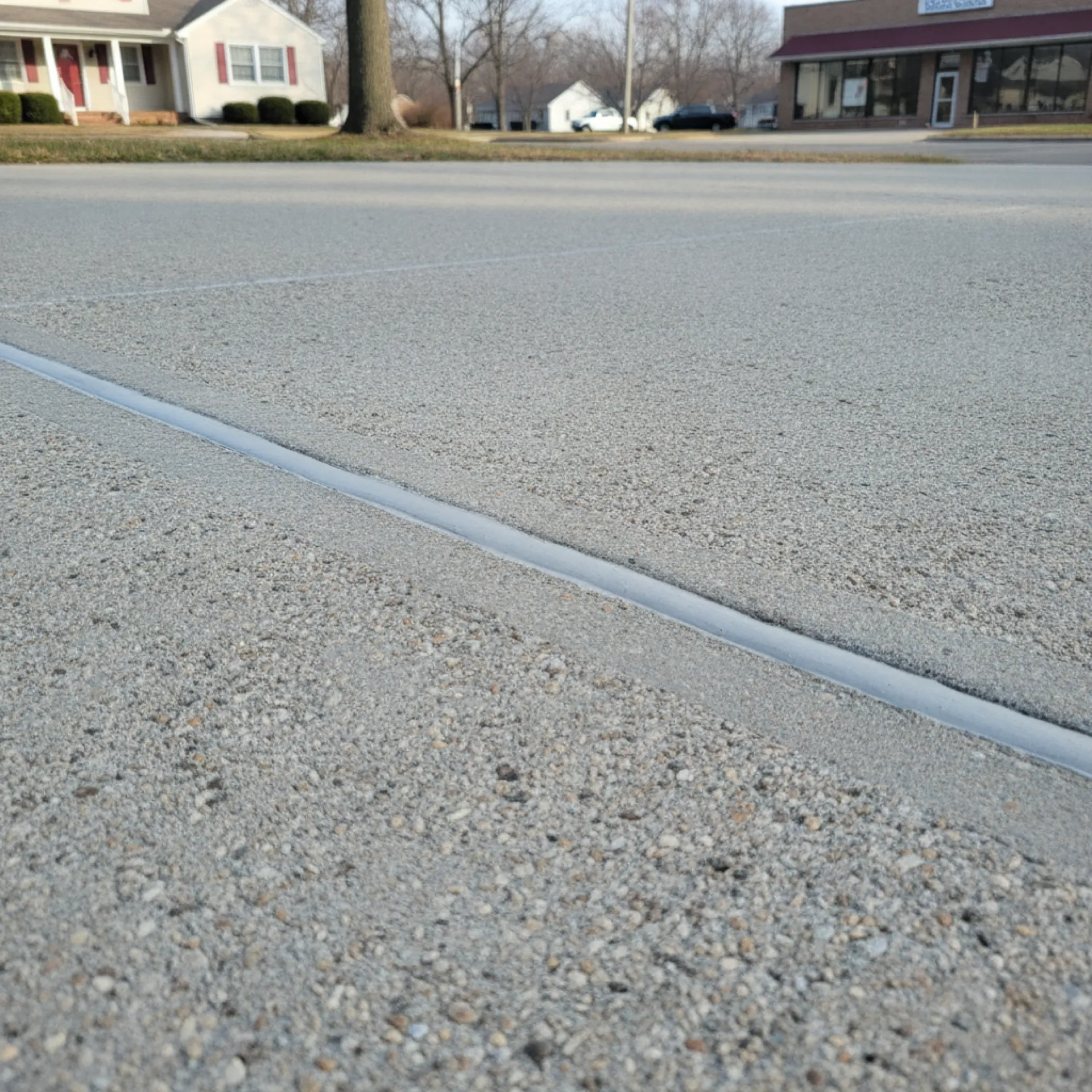
Routed and sealed cracks that keep water out of the base under your slab.
Learn more →
New slabs poured on a compacted base with a planned joint layout from day one.
Learn more →