
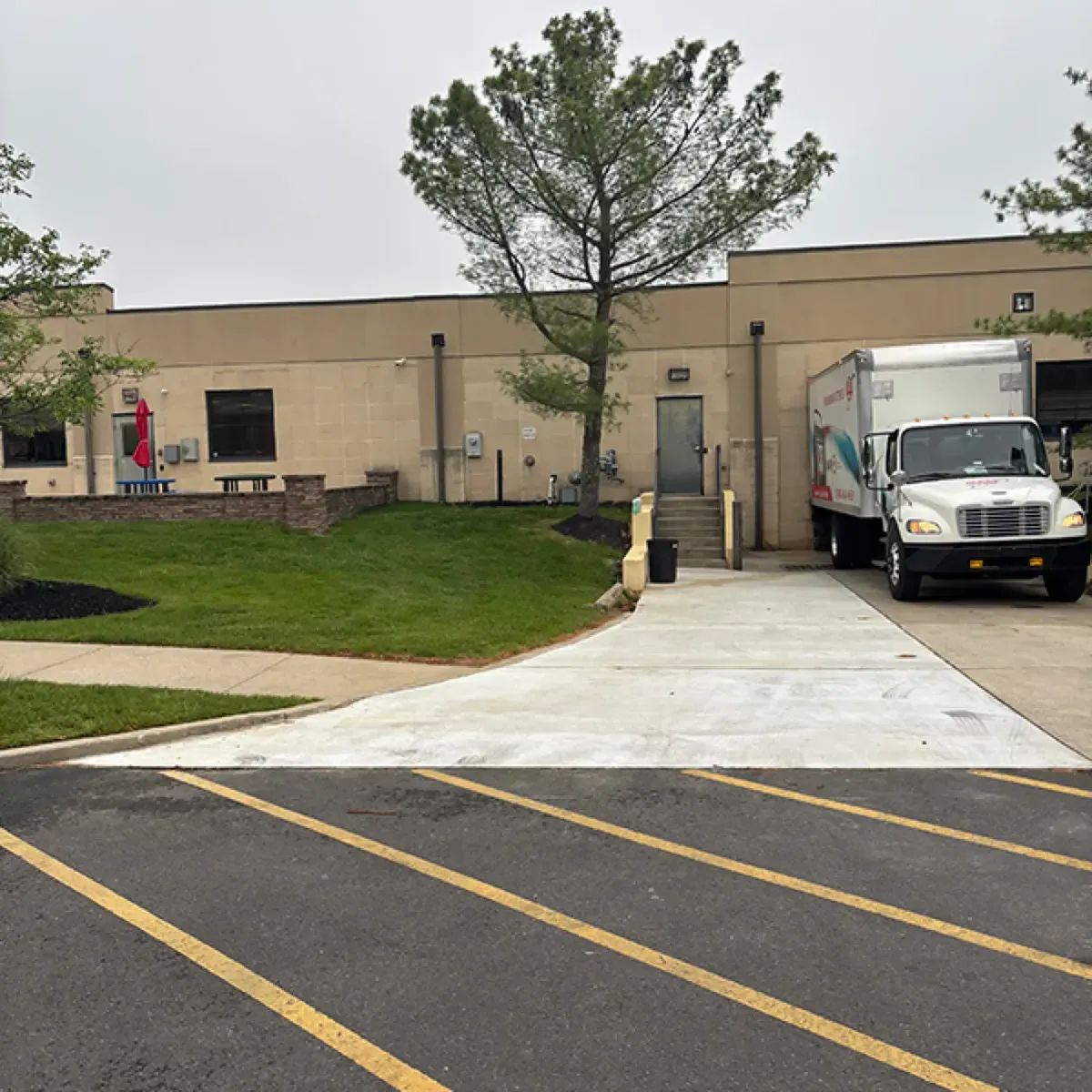
A standard concrete-filled steel bollard runs about $700 to $1,500 installed. Crash-rated security bollards cost many times more.
A concrete-filled steel pipe bollard costs about $700 to $1,500 installed, according to a 2026 bollard cost guide from Cojo, an Oregon paving contractor. A plain steel pipe bollard without fill runs about $400 to $900.
The footing, the saw cutting, and the trip to your site are a big share of that price. Papaneri & Sons has poured commercial lots, entrances, and walks across South Jersey since 1987. The cheapest bollard is the one planned before the concrete goes down.
This post breaks down what you pay for and how to keep the per-post cost down. For the lots these posts protect, see our concrete parking lot paving page.
A bollard is a short, strong post that keeps vehicles away from a storefront, a gas meter, a building corner, or a walkway. Most parking lot bollards are steel pipe set deep in a concrete footing.
Filling a steel pipe with concrete makes it far stronger. The same Cojo guide says a hollow steel pipe has about 40 percent of the impact rating of the same pipe filled with concrete.
The footing does most of the work. On a standard bollard, the guide describes a footing 30 to 36 inches deep and 12 to 18 inches wide. It costs about $150 to $400 in material and labor.
In an existing lot or walk, the crew cuts or core drills the pavement, digs the hole, and patches around the post. That step adds $150 to $500 per bollard.
Powder coating, plastic sleeve covers, decorative caps, and reflective bands each add $30 to $150 per bollard, per the Cojo guide. Sleeves also protect the steel and are easy to replace when scuffed.
Surface-mount bollards bolt onto an existing slab. They cost less up front, but a hard hit can rip out the anchors and break the slab around them. Embedded posts in a real footing hold far better.
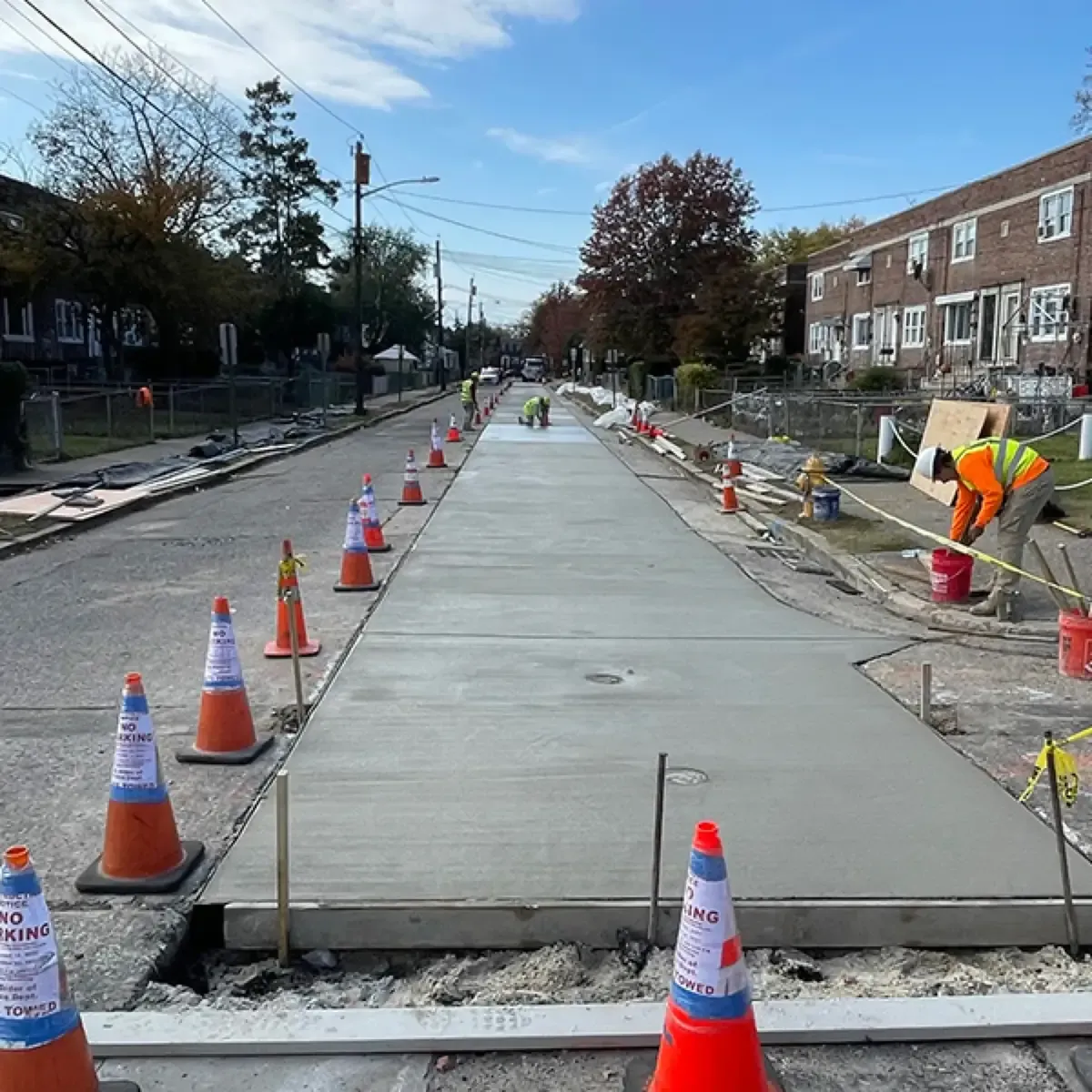
Here are installed prices per bollard from the Cojo bollard cost guide. These are published industry ranges, so South Jersey quotes can differ.
A flexible plastic delineator runs $80 to $200. A fixed steel pipe bollard runs $400 to $900. A concrete-filled steel pipe bollard runs $700 to $1,500.
Decorative cast or stainless bollards run $900 to $2,500. Removable bollards with a sleeve set in concrete run $1,200 to $2,200.
Crash-rated K4 bollards run $4,000 to $8,000 installed. Higher ratings can top $20,000 each, mostly because of the engineered footing.
The guide's sample bid adds a mobilization charge of $500 to $1,500 and traffic control of $300 to $1,500. That is why a single bollard rarely costs less than $700 to $1,200.
The guide reports that going from 1 bollard to 6 can drop the per-post cost by 30 to 45 percent. Setup gets spread across more posts. Installing posts while you repave a lot can save another $200 to $400 per bollard.
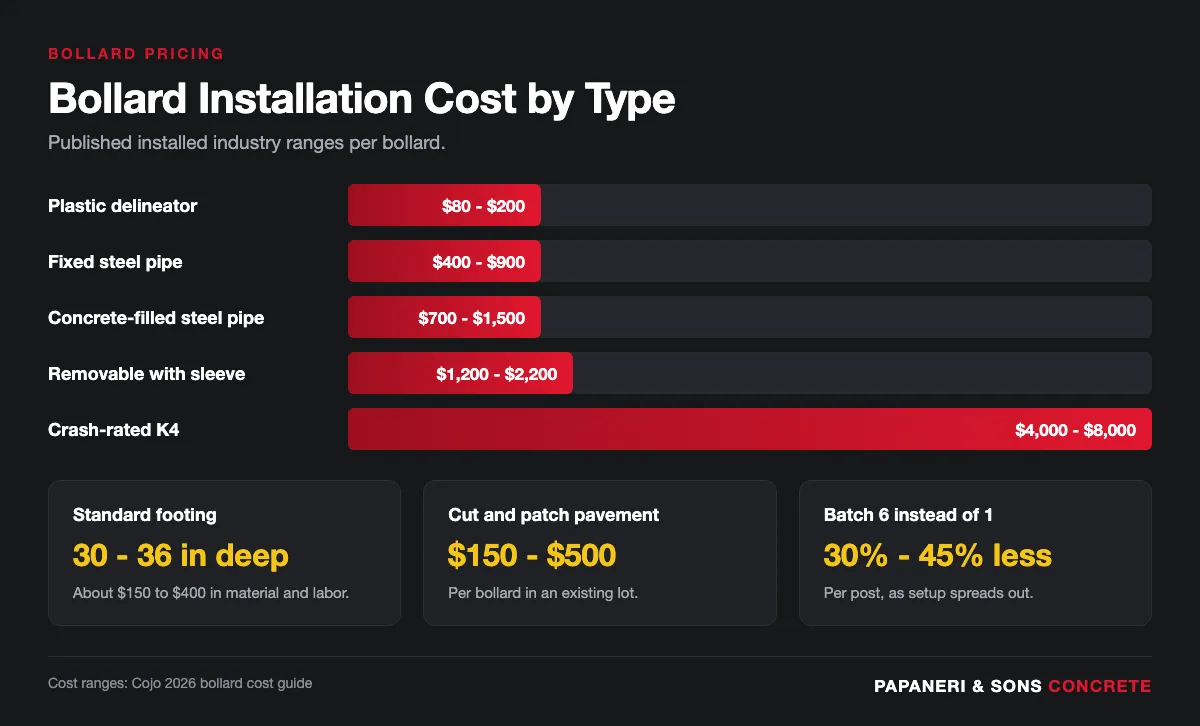
Papaneri & Sons pours entrance slabs, parking aprons, loading dock areas, and sidewalks for businesses across South Jersey. One property manager hired us to replace all the sidewalks and concrete around a shopping center in Marlton. Storefront frontage takes a beating.
The reason bollards matter is simple. The Storefront Safety Council reports that vehicles crash into storefronts more than 100 times per day. Each year in the U.S., as many as 16,000 people are injured in these crashes.
The biggest cost lever is timing. Setting footings while a lot or entrance is being poured avoids cutting and patching new concrete later. It also lets the footing tie into a fresh, even surface.
The second lesson is the concrete itself. A bollard footing lives in wet ground through freeze-thaw winters. We pour a 4500 PSI mix on every commercial job, which handles heavy use and freeze-thaw better than weaker mixes.
The third lesson is permits and layout. Posts near accessible routes, fire lanes, and drive aisles need to fit the site plan. We pull township permits and coordinate inspections, so the concrete work lines up with what the town expects.
Start with the risk. A post protecting a gas meter or a storefront glass wall needs a real steel bollard with concrete fill. A plastic delineator only guides traffic.
Match the post to the risk, not the fear. The guide notes that a strip mall storefront with no history of crashes likely needs concrete-filled steel pipe, not a crash-rated post. Crash ratings are built for places like federal buildings.
Batch your posts. Because mobilization is fixed, installing six at once costs far less per post than adding them one at a time.
Plan them with your paving. If you are budgeting for a new lot, our guide to concrete parking lot paving cost shows the rest of the numbers.
If posts go into an existing slab, holes may be core drilled. Our breakdown of concrete coring cost per hole explains how that part is priced.
Keep accessible routes clear, too. Our guide to concrete wheelchair ramp cost covers the slopes and widths that ramps need, so posts do not block them.
Finally, ask whether the bid includes the footing, concrete fill, pavement patching, caps or sleeves, mobilization, and traffic control. Those line items are where bids differ most.
A standard steel pipe bollard is usually set in a concrete footing about 30 to 36 inches deep. Crash-rated bollards need engineered footings that can go much deeper and wider. Always follow the maker's drawings and any site plan.
Yes, for most steel pipe bollards. Concrete fill makes the post much stiffer and adds little to the cost. A cover or sleeve can go over the top for looks.
Many towns want a permit or site plan review for work in a parking lot or near a public walk. Rules vary by township. Papaneri & Sons pulls permits for commercial concrete work in Cherry Hill, Pennsauken, and Mount Laurel.
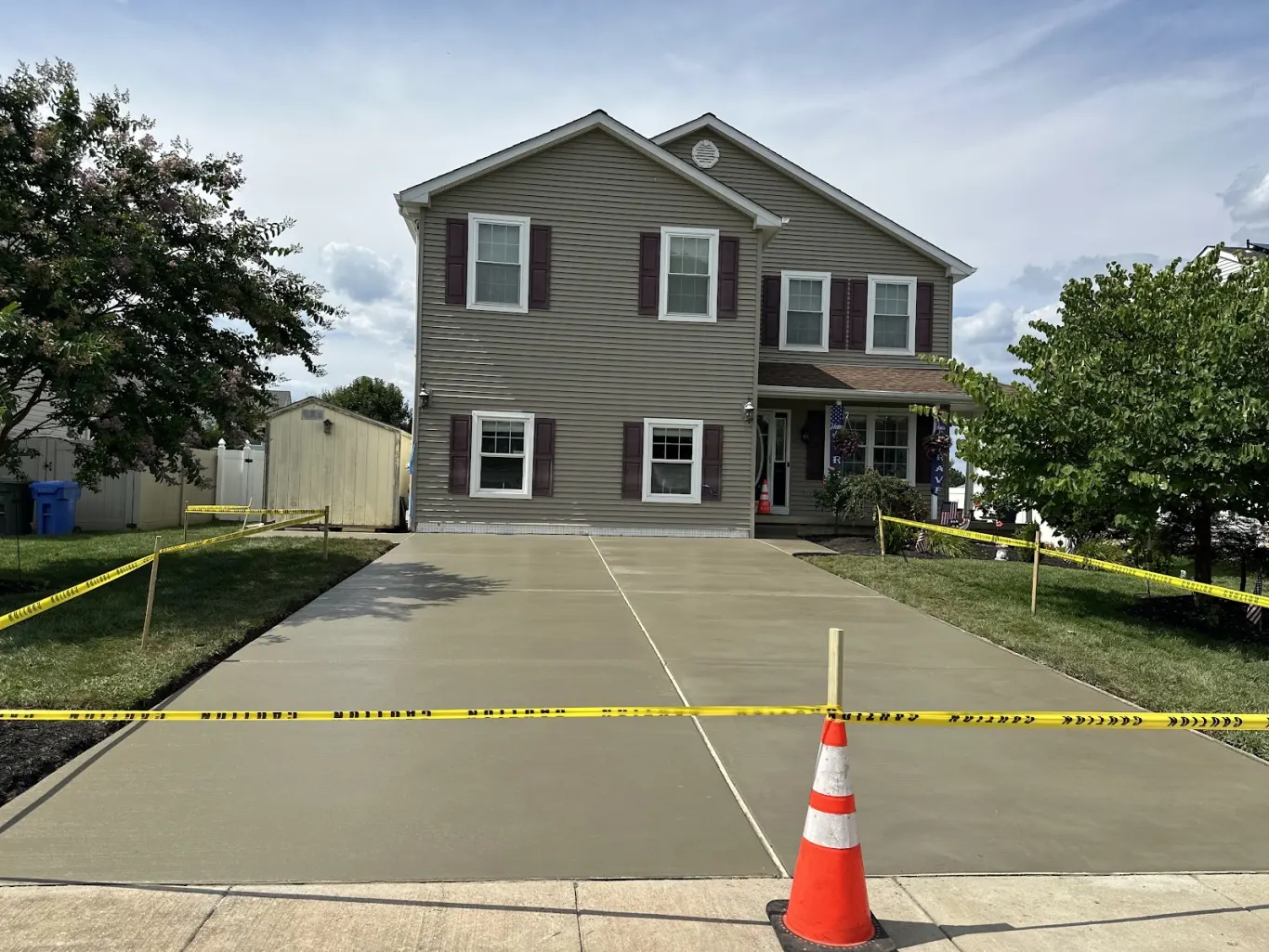
A site visit shows where posts belong, what is under the pavement, and whether the work fits into a paving project you already need. Papaneri & Sons pours commercial concrete across Cherry Hill, Marlton, Mount Laurel, Moorestown, and Voorhees. Family crew since 1987, ACI certified, licensed, and insured.