
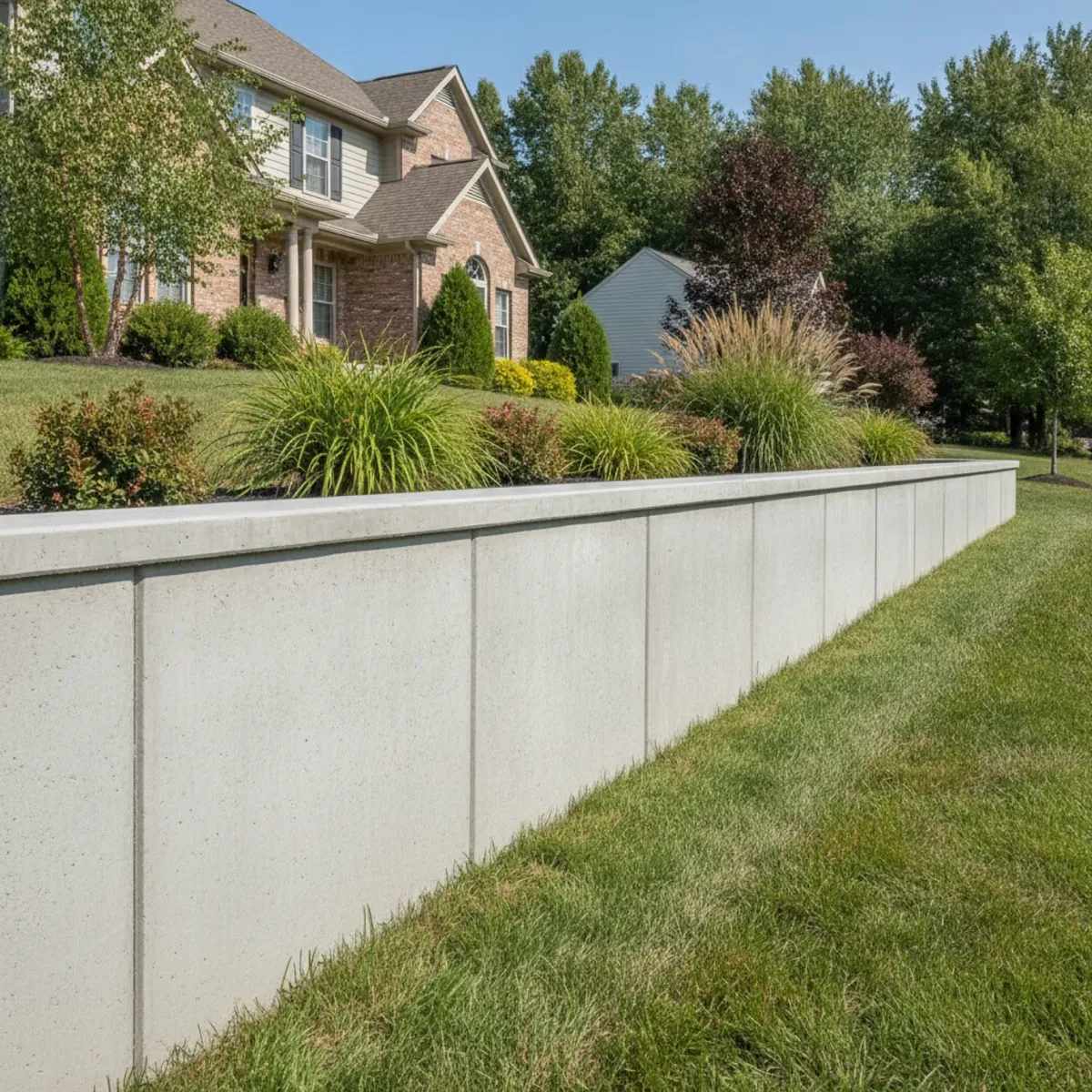
Block and poured walls start at nearly the same price. Height, soil pressure, and water decide which one is the better buy.
A concrete block wall costs $15 to $30 per square foot installed. A poured concrete wall costs $15 to $35, according to HomeGuide's 2026 cinder block wall cost guide. On price alone, block often comes in a little lower.
Papaneri & Sons has built poured walls and reinforced block walls across South Jersey since 1987. The better value depends less on the sticker price and more on what the wall has to hold back.
This post compares both side by side, including the costs that show up years later. To see how we build either type, visit our concrete wall construction page.
Both walls are concrete. The difference is whether the wall arrives in small pieces or goes in as one solid pour.
A mason sets hollow concrete blocks in mortar, course by course. Rebar goes into the hollow cores, and those cores get filled with grout. The strength depends on how well every joint and core is done.
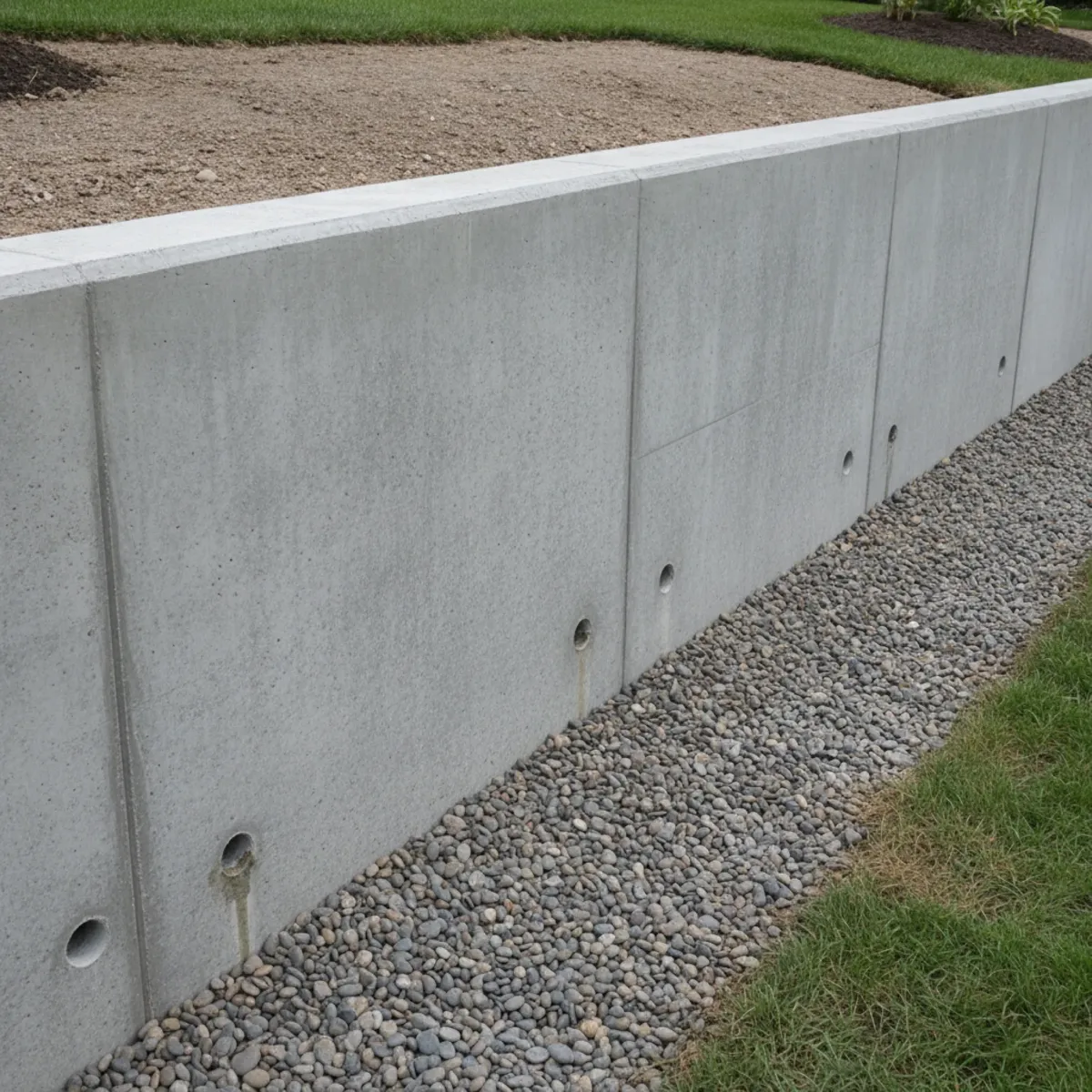
A crew builds forms, sets rebar, and fills the forms with ready-mix concrete. When the forms come off, the wall is one solid unit with no mortar joints.
Block costs more in labor than in material. HomeGuide breaks a block wall into $5 to $13 per square foot for materials and $10 to $17 for labor. Laying block costs $5 to $10 per block for labor alone, per the same HomeGuide guide.
Standard concrete blocks cost $1 to $3 each, and solid or split-face blocks run $2 to $5. A pallet of 70 to 90 blocks runs $115 to $225. The blocks are cheap. The hours it takes to lay them are not.
Neither wall is better than what it sits on. Block walls 4 to 8 feet tall need a concrete footing and grout-filled cores with rebar. Poured walls need a footing sized to the load, too.
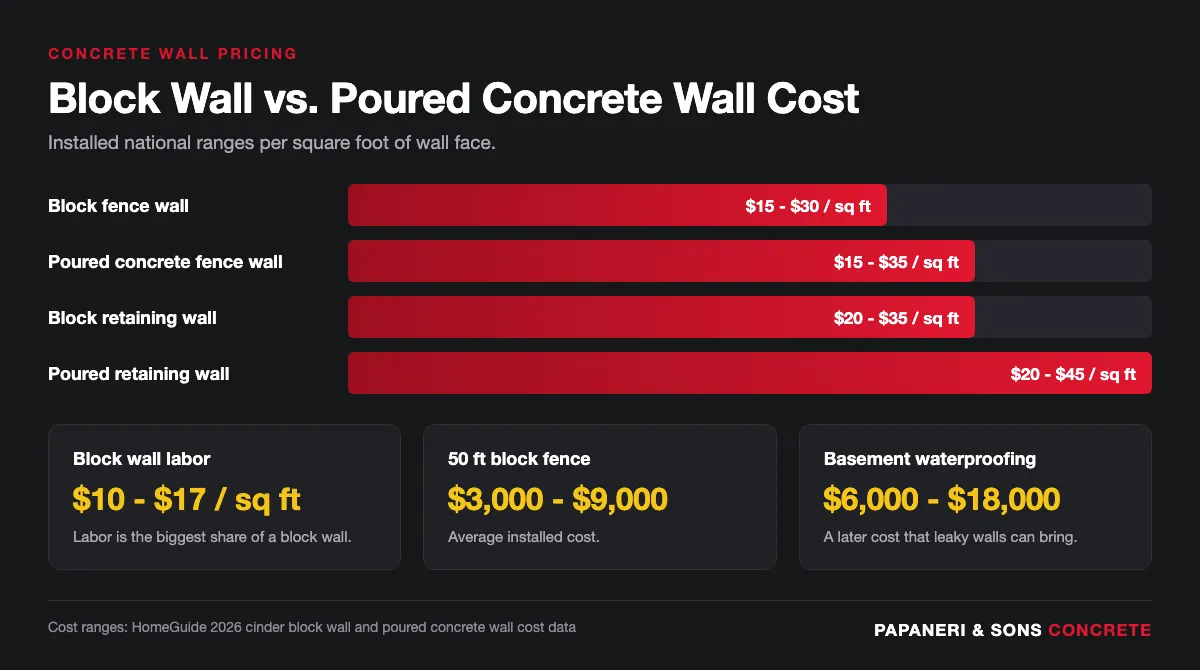
Here is how the two compare for common walls, per square foot of wall face, installed. The figures come from HomeGuide's block wall cost data and its poured concrete wall cost guide.
A block fence wall runs $15 to $30 per square foot. A poured concrete fence wall runs $15 to $35. A 50 foot long block fence averages $3,000 to $9,000.
A block retaining wall runs $20 to $35 per square foot, and taller walls can reach $35 to $65. A poured retaining wall runs $20 to $45 per square foot, with French drains often added at the base.
Block walls run $60 to $240 per linear foot depending on height. Poured walls 6 to 8 feet tall run $90 to $280 per linear foot.
HomeGuide lists basement waterproofing at $6,000 to $18,000 and foundation crack repair at $250 to $800 per crack. A wall that leaks can wipe out any savings from the cheaper bid.
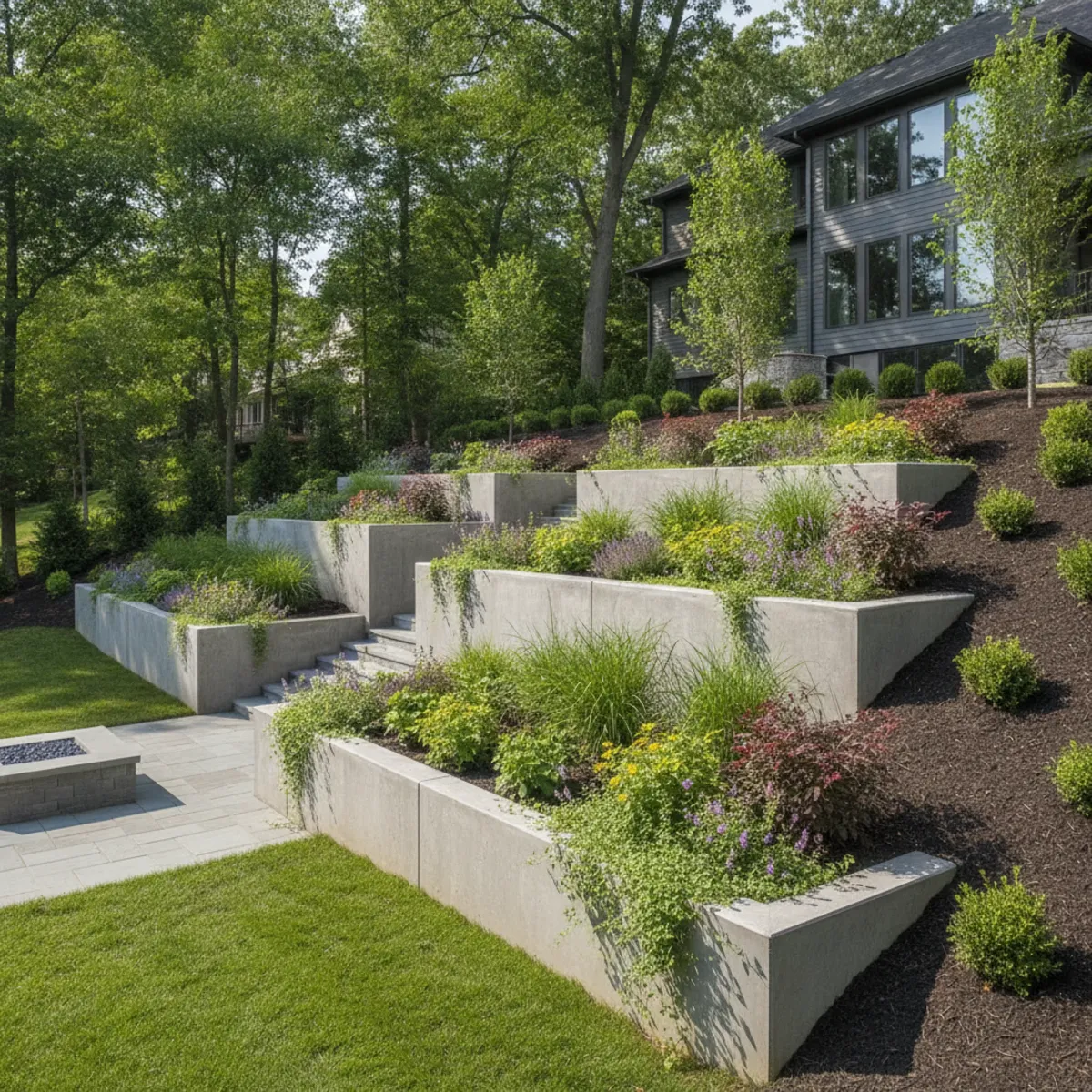
Papaneri & Sons builds poured foundation walls, retaining walls, and reinforced block walls for homes and businesses. Water is what kills concrete walls, especially retaining walls and basements, so water decides which wall was the smart buy.
HomeGuide's wall comparison lists block walls as more prone to water leaks, buckling, and bowing. Poured walls have strong resistance to water pressure and fewer places to leak.
The reason is simple. A block wall has a mortar joint every 8 inches or so, and each one is a path for water. A poured wall has no mortar joints, so water has far fewer ways in.
Block still has a place. Blocks are easy to store and carry into a tight or remote site, and they handle weight pressing down very well. For a short garden wall or a garage wall with no soil behind it, block is a fair choice.
We build retaining walls with the drainage and reinforcement they need to resist years of ground pressure. Skip the drainage, and water pressure builds up behind any wall, block or poured.
Whatever the wall, we start with the footing and tie rebar from the footing into the wall above. That turns the base and the wall into one connected system. It is the step that keeps a wall straight for decades.
Ask what the wall holds back. If there is soil and water on one side, lean toward poured concrete with real drainage behind it.
Next, think about height. Taller walls carry more pressure and often need engineering. Make sure every bid is priced to the same design, or the numbers are not comparable.
If a crane can reach your site, there is a third option. Our comparison of precast versus poured concrete cost covers factory-made wall panels.
If an old wall is cracking, find out why before you replace it. Our guide to concrete crack repair versus replacement explains which cracks can be fixed.
And if a foundation wall has already moved, the fix may be below it. Our breakdown of foundation underpinning cost covers that repair.
Think about the finished look, too. A poured wall can be formed with a smooth face or a board texture. A block wall usually needs parging, stucco, or paint if you want it to look finished.
Finally, ask every bidder about the footing, rebar, drainage, waterproofing, and permits. The cheapest wall is the one you only build once.
A well-built block wall with grout-filled cores and rebar is strong. Block handles weight pressing down very well. Poured walls usually handle sideways soil and water pressure better, which is why they are common for basements.
Both can last for decades when built right. Poured walls tend to need less upkeep because they have no mortar joints to crack or leak. Block walls may need joint repairs and waterproofing over time.
For most new basements here, poured concrete is the stronger choice because it resists water pressure and has fewer places to leak. Freeze-thaw winters and wet springs are hard on walls. Papaneri & Sons builds foundation walls across Cherry Hill, Moorestown, and Cinnaminson.
A per-foot range gets you close. A site visit shows the soil, the slope, and the water, which is what really decides the wall. Papaneri & Sons builds walls across Cherry Hill, Haddonfield, Moorestown, Marlton, and Mount Laurel. Family crew since 1987, ACI certified, licensed, and insured.