


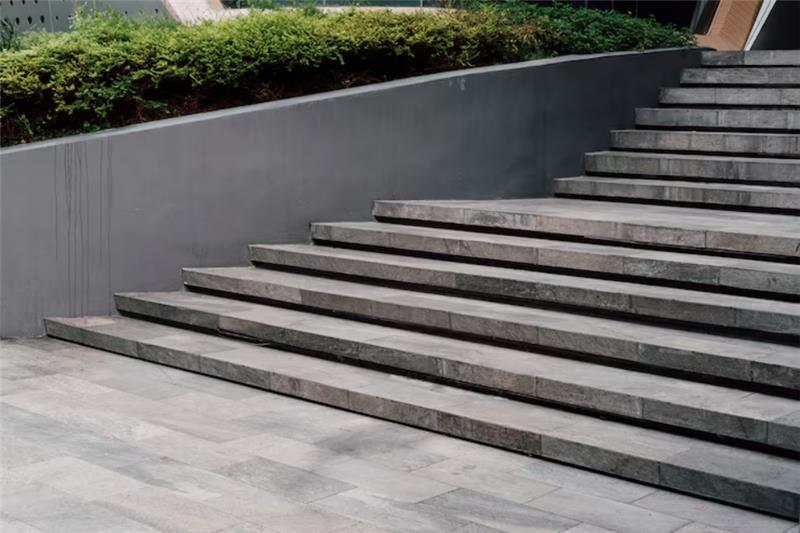
Concrete steps and stairs are a foundational part of both residential and commercial properties. They provide structural access, enhance curb appeal, and offer long lasting durability when properly installed and maintained. At, we understand how critical safe and well maintained concrete structures are for your home’s appearance and safety. Whether leading to your front porch, backyard patio, or business entrance, concrete stairs must remain strong, level, and slip resistant to protect everyone who uses them.
In this comprehensive guide, you’ll learn essential safety tips, routine maintenance practices, seasonal care strategies, and warning signs that indicate repairs are needed. With the right approach, your concrete steps can last for decades while maintaining both safety and aesthetic appeal.
Why Concrete Steps & Stairs Require Proper Maintenance
Concrete is known for its durability, but it is not indestructible. Exposure to weather changes, heavy foot traffic, moisture, and shifting soil can gradually weaken even the strongest concrete structures. Without regular maintenance, small issues can quickly turn into safety hazards or expensive repairs.
Proper maintenance not only extends the lifespan of your concrete steps but also ensures compliance with safety standards. Cracks, uneven surfaces, and slippery buildup are common problems that can be prevented with consistent care.
Key reasons maintenance matters:
- Prevents trip and fall accidents
- Protects against water damage and erosion
- Preserves structural integrity
- Enhances property value and curb appeal
- Reduces long term repair costs
Common Safety Hazards in Concrete Stairs
Before discussing maintenance, it’s important to understand the most common safety hazards associated with concrete stairs. Identifying these risks early allows you to address them before they escalate into serious problems.
Concrete stairs are constantly exposed to environmental stressors. Over time, even minor imperfections can create major safety concerns.
Common hazards include:
- Cracks and surface fractures
- Uneven or sinking steps
- Slippery algae, moss, or mildew buildup
- Worn down step edges
- Poor drainage leading to water pooling
- Ice accumulation during winter
Regular inspections can help you detect these issues early and prevent accidents.
Essential Safety Tips for Concrete Steps & Stairs
Safety should always be the top priority when it comes to exterior concrete features. A proactive approach ensures that your stairs remain stable, visible, and slip resistant yearround.
Below are practical safety tips every homeowner should follow:
- Install handrails on staircases with more than three steps.
- Apply anti slip coatings to reduce slipperiness in wet conditions.
- Keep steps clean from dirt, leaves, and debris.
- Repair cracks immediately before they widen.
- Ensure proper lighting around stair areas.
- Maintain consistent step height and depth to prevent missteps.
For properties with connecting pathways, professional ensures safe and level transitions that reduce tripping hazards between walkways and stairs.
Routine Cleaning & Preventive Care
Routine cleaning is one of the simplest yet most effective ways to maintain concrete steps. Dirt and organic buildup can retain moisture, leading to staining, surface erosion, and slippery conditions.
A regular cleaning schedule helps preserve both safety and appearance. Concrete should be cleaned at least twice a year, or more frequently in shaded or damp areas.
Basic cleaning steps include:
- Sweep debris weekly
- Use mild detergent and water for scrubbing
- Pressure wash annually (on low to moderate setting)
- Remove moss and algae with appropriate cleaners
- Rinse thoroughly to prevent residue buildup
Preventive care keeps minor surface wear from becoming structural damage.
How Weather Impacts Concrete Stairs
Concrete expands and contracts as temperatures fluctuate. Freeze thaw cycles are particularly damaging because water seeps into tiny cracks, freezes, and expands causing the cracks to widen.
Understanding how weather affects concrete allows you to prepare your stairs seasonally and minimize long term damage.
Weather related risks include:
- Freeze thaw cracking in winter
- Surface drying and minor shrinkage in extreme heat
- Water penetration during heavy rain
- Salt damage from deicing products
To protect your stairs:
- Apply a high quality concrete sealer every 2–3 years
- Avoid using harsh deicing salts
- Ensure proper drainage away from steps
- Clear snow promptly to reduce ice formation
Seasonal maintenance plays a crucial role in extending the life of your concrete stairs.
Signs Your Concrete Steps Need Repair
Not all damage is immediately obvious. Some structural issues develop gradually and can worsen without professional evaluation. Recognizing early warning signs can prevent complete replacement.
Look out for the following indicators:
- Large or spreading cracks
- Noticeable sinking or shifting
- Loose or crumbling edges
- Rust stains from exposed reinforcement
- Water pooling near the base
- Hollow sounds when tapped
If you notice any of these issues, professional repair services can restore both stability and safety.
The Importance of Proper Drainage
Drainage is one of the most overlooked aspects of concrete stair longevity. Water accumulation around or beneath steps weakens the base material and leads to settlement or cracking.
Without proper drainage, even newly installed concrete can deteriorate prematurely. The surrounding landscape plays a major role in protecting your stairs from moisture damage.
Effective drainage strategies include:
- Sloping the ground away from steps
- Installing drainage channels if necessary
- Sealing joints to prevent water penetration
- Keeping gutters and downspouts clear
If your steps connect to outdoor living spaces, experienced can ensure proper grading and water management during installation.
Sealing Concrete Steps for Long Term Protection
Concrete sealers act as a protective barrier against moisture, chemicals, and surface wear. Sealing is one of the most effective preventive maintenance measures for outdoor stairs.
A high quality sealer reduces water absorption and protects against staining and freeze thaw damage.
Benefits of sealing include:
- Increased durability
- Enhanced resistance to water penetration
- Reduced cracking
- Improved appearance
- Easier cleaning
For best results, reseal your concrete steps every 2–3 years, depending on exposure and traffic.
Repair vs. Replacement: What’s the Right Choice?
When damage occurs, homeowners often wonder whether to repair or replace their concrete steps. The right decision depends on the extent of the damage and the overall condition of the structure.
Minor cracks and surface damage can typically be repaired. However, significant structural shifting or widespread deterioration may require replacement.
Consider repair when:
- Cracks are small and isolated
- Surface spalling is limited
- Structural base remains intact
Consider replacement when:
- Steps are severely uneven
- Foundation has shifted
- Multiple large cracks compromise integrity
- Reinforcement is exposed and corroded
Consulting professionals ensures a safe and cost effective solution.
Enhancing Safety with Upgrades & Improvements
Beyond maintenance, upgrading your concrete steps can significantly enhance safety and aesthetics. Modern solutions provide both functionality and visual appeal.
Popular improvements include:
- Adding textured finishes for slip resistance
- Installing LED stair lighting
- Applying decorative overlays
- Adding contrasting edge strips for visibility
- Integrating handrails or guardrails
These enhancements not only improve safety but also boost curb appeal and property value.
Long Term Maintenance Schedule
Creating a structured maintenance plan ensures consistent care and prevents overlooked issues. A simple annual checklist can help you stay on track.
Recommended maintenance timeline:
Monthly:
- Sweep debris
- Inspect for visible cracks
Seasonally:
- Deep clean surface
- Check drainage performance
- Remove moss or algae
Annually:
- Inspect for structural movement
- Pressure wash
- Reapply sealer if needed
Consistency is the key to maximizing lifespan and minimizing repair costs.
Conclusion
Concrete steps and stairs are built for durability, but proper care determines how long they truly last. By following essential safety tips, performing regular maintenance, and addressing minor issues early, you can protect both your investment and the safety of everyone who uses your property. At Papaneri & Sons Concrete, we specialize in building and maintaining strong, reliable concrete structures that stand the test of time.
If your concrete steps need inspection, repair, or replacement, don’t wait until small issues become major hazards. today to schedule a consultation and ensure your stairs remain safe, stable, and built to last.
Frequently Asked Questions (FAQs)