


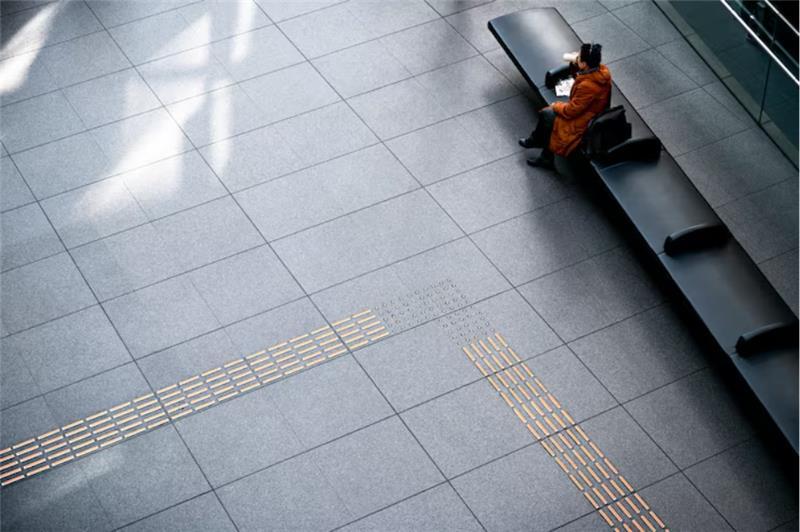
Commercial concrete flooring has become the gold standard for modern businesses seeking durability, efficiency, and long term value. At Papaneri & Sons Concrete, we’ve seen firsthand how the right flooring system can transform commercial and industrial environments. Whether you manage a warehouse, retail store, healthcare facility, or manufacturing plant, investing in properly installed and maintained concrete flooring ensures performance, safety, and cost savings for decades.
Concrete flooring is more than just a surface, it is a structural foundation that supports daily operations, heavy equipment, foot traffic, and brand presentation. Businesses require flooring that can withstand pressure without frequent repairs or disruptions.
Advancements in polishing systems, sealers, and reinforcement techniques have made commercial concrete floors stronger and more versatile than ever. From high end showrooms to industrial production facilities, concrete offers flexibility in both design and durability.
When deterioration begins, timely commercial concrete floor repair becomes essential to prevent structural damage, safety hazards, and expensive downtime. Addressing minor issues early significantly extends the life of your flooring investment.
Why Commercial Concrete Flooring Is the Preferred Choice for Businesses
Before diving into best practices, it’s important to understand why commercial concrete flooring remains a top choice across industries. Its strength, cost effectiveness, and adaptability make it ideal for demanding environments where other materials may fail.
Businesses benefit from several key advantages:
- Exceptional Durability: Handles forklifts, machinery, and heavy traffic.
- Low Maintenance Requirements: Simple cleaning routines keep it functional.
- Long Lifespan: Often lasts 20 30 years or more with proper care.
- Design Flexibility: Available in polished, stained, epoxy coated, or sealed finishes.
- Moisture and Chemical Resistance: When sealed correctly, it withstands harsh environments.
Best Practices for Commercial Concrete Floor Installation
Proper installation is the foundation of long-term performance. Many flooring failures occur because of poor subgrade preparation, incorrect mix design, or rushed curing processes. Working with experienced professionals ensures structural integrity from day one.
To maximize durability and performance, follow these installation best practices:
- Subgrade Preparation: Compact and stabilize soil to prevent shifting.
- Use Proper Reinforcement: Incorporate rebar or fiber mesh for added strength.
- Correct Mix Design: Choose appropriate PSI strength for the facility’s load requirements.
- Strategic Joint Placement: Install control joints to manage cracking.
- Adequate Curing Time: Allow concrete to cure fully to achieve maximum strength.
A properly installed slab significantly reduces future repair and maintenance costs.
Choosing the Right Finish for Your Commercial Space
Not all commercial environments require the same finish. The right surface treatment enhances both functionality and aesthetics. Your flooring should match operational needs, safety standards, and branding goals. In high demand industrial settings, proactive maintenance and specialized industrial concrete repair help preserve structural stability and ensure compliance with safety regulations.
Common commercial finishes include:
- Polished Concrete: Ideal for retail stores and offices; sleek and reflective.
- Epoxy Coatings: Perfect for warehouses and manufacturing facilities.
- Stained Concrete: Adds decorative appeal to showrooms and lobbies.
- Sealed Concrete: Provides basic protection against moisture and staining.
- Textured or Slip Resistant Finishes: Enhance safety in wet or high traffic areas.
Selecting the correct finish reduces maintenance demands and improves overall performance.
Maintenance Strategies to Extend Floor Lifespan
Routine maintenance plays a critical role in maximizing the lifespan of commercial concrete flooring. Even the strongest floors require periodic attention to remain structurally sound and visually appealing. Implementing a proactive maintenance plan helps businesses avoid costly disruptions.
Best maintenance practices include:
- Daily or Weekly Cleaning: Remove dirt and debris to prevent surface abrasion.
- Periodic Resealing: Protect against moisture, chemicals, and wear.
- Crack Monitoring: Repair small cracks before they expand.
- Joint Inspections: Ensure expansion joints remain intact.
- Recoating When Necessary: Refresh epoxy or protective layers.
Consistent upkeep preserves both performance and appearance.
Common Commercial Concrete Flooring Problems and Solutions
Over time, commercial concrete floors may show signs of wear. Identifying issues early helps prevent larger structural problems and expensive downtime.
Common issues include:
- Shrinkage Cracks: Often caused by improper curing.
- Spalling: Surface flaking due to freeze thaw cycles or moisture intrusion.
- Uneven Settling: Results from unstable subgrade conditions.
- Surface Discoloration: Typically cosmetic but may indicate sealing issues.
- Chemical Damage: Occurs in industrial environments without protective coatings.
Professional evaluation ensures the right repair method is used to restore performance.
Safety Considerations for Commercial Concrete Floors
Safety is a top priority for any commercial or industrial facility. Flooring directly impacts employee well being, equipment stability, and regulatory compliance. Concrete floors can be enhanced to meet safety standards through:
- Slip Resistant Coatings: Reduce fall risks.
- Clearly Marked Walkways: Improve traffic flow in warehouses.
- Proper Load Calculations: Prevent structural stress failures.
- Drainage Planning: Avoid standing water hazards.
- Routine Safety Inspections: Identify potential risks early.
Investing in safety enhancements protects employees and minimizes liability.
Cost Factors and Budget Planning
Understanding cost variables helps businesses plan effectively. While concrete flooring offers long term savings, upfront costs vary depending on several factors. Primary cost considerations include:
- Square Footage of the Project
- Thickness and Reinforcement Requirements
- Finish Type (Polished, Epoxy, Stained, etc.)
- Site Preparation Needs
- Long Term Maintenance Planning
Although premium finishes may increase initial costs, they often reduce long term repair expenses and enhance operational efficiency.
Sustainability Benefits of Commercial Concrete Flooring
Sustainability is increasingly important for businesses seeking eco friendly building solutions. Concrete flooring supports green initiatives through durability and energy efficiency. Environmental advantages include:
- Energy Efficiency: Reflective surfaces improve lighting.
- Reduced Waste: Long lifespan minimizes replacements.
- Low VOC Options: Better indoor air quality.
- Recyclable Materials: Crushed concrete can be reused.
- Thermal Mass Properties: Enhances heating and cooling efficiency.
Concrete flooring aligns with modern environmental standards and corporate responsibility goals.
When to Replace Instead of Repair
While repairs are often effective, some situations call for full replacement. Making the right decision depends on structural condition and long term cost considerations. Replacement may be necessary if:
- Cracks are widespread and structural.
- Moisture problems persist despite repairs.
- Surfaces are severely uneven.
- Repairs have become frequent and costly.
- Flooring no longer meets operational needs.
Professional assessment ensures you choose the most cost effective long term solution.
Conclusion: Strengthening Your Business from the Ground Up
Commercial concrete flooring is one of the most reliable and cost effective solutions for businesses seeking durability, safety, and long term value. By following best practices in installation, finish selection, maintenance, and repair, companies can significantly extend the lifespan of their floors while minimizing operational disruptions.
At Papaneri & Sons Concrete, we are committed to delivering high performance commercial and industrial flooring solutions tailored to your needs. Whether you require installation, maintenance guidance, or structural repair, our team is ready to help. If you’re planning a new flooring project or need expert advice, contact us today and let’s build a stronger foundation for your business success.
Frequently Asked Questions (FAQs)