
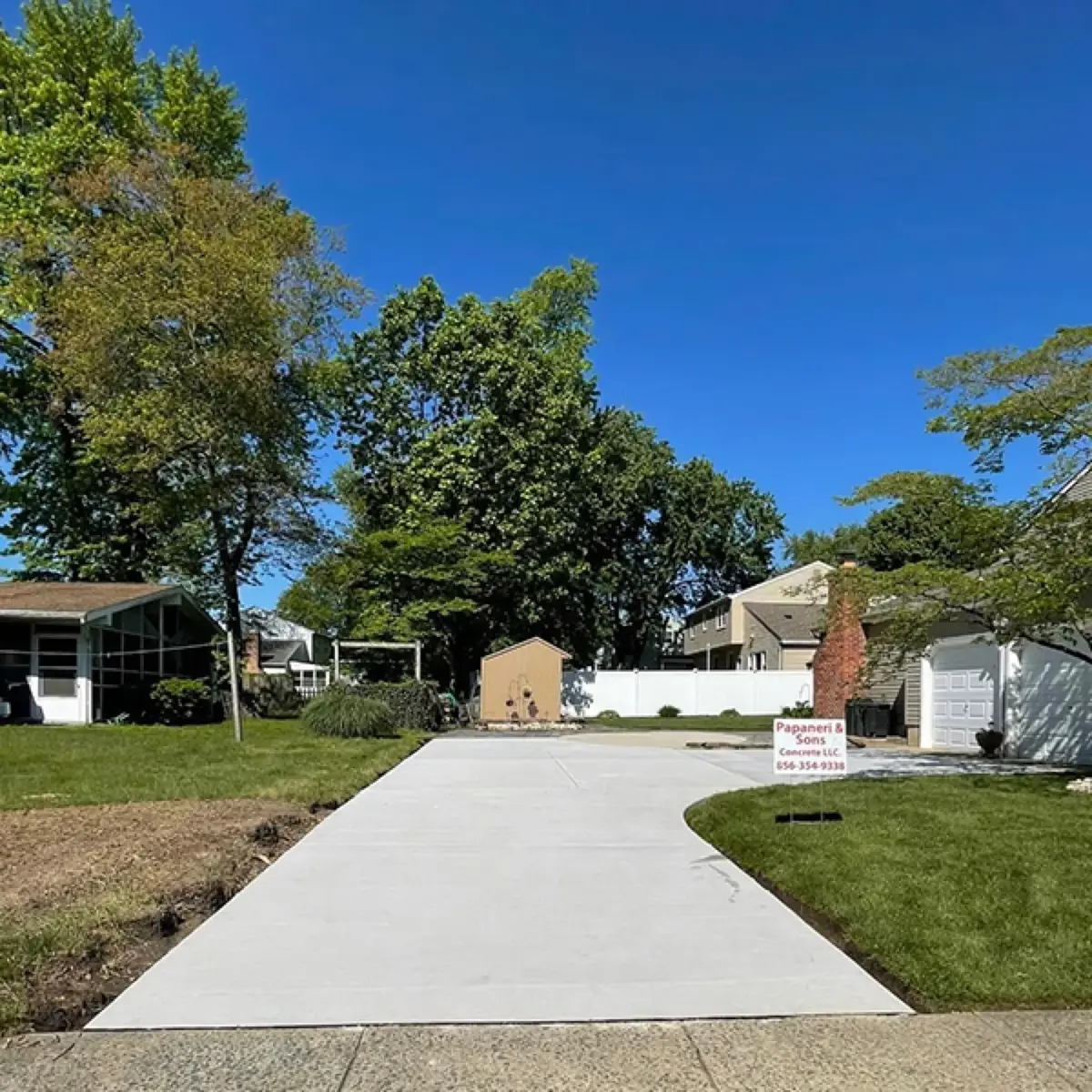
Asphalt wins the day you write the check. Concrete usually wins by year fifteen, because it stops asking for money after it goes in.
Asphalt installs for about $7 to $13 per square foot and concrete for about $8 to $18, according to Angi's asphalt versus concrete comparison. Asphalt lasts 15 to 30 years. Concrete lasts 30 to 50.
Papaneri & Sons pours concrete, so take the comparison with that in mind. What we can tell you honestly is what we see when homeowners call us to replace a driveway that was cheap to install the first time.
This post runs the thirty-year math on both materials. For what a poured driveway build actually includes, see our concrete driveway installation page.
Neither material is the right answer for every property. The honest version sounds like this.
Asphalt costs roughly 20 to 40 percent less to install on the same driveway. If you are selling within a couple of years, or the budget is fixed and the driveway is large, that gap is real money you keep.
Cracks and potholes in asphalt can be filled and blended. Repairs are cheap and fast, and they look acceptable. Concrete repairs are more visible because you cannot melt a patch into the surrounding slab.
A properly built concrete driveway carries 30 to 50 years. Asphalt is a 15 to 30 year surface even when it is maintained on schedule. Over one long ownership you may buy asphalt twice to buy concrete once.
Asphalt softens in summer heat, so a heavy trailer tongue or a jack stand can dent it. Concrete carries pickups, RVs, and delivery trucks without rutting. If heavy vehicles park on your driveway, this is the deciding line.
A concrete driveway asks for washing and an occasional sealer. There is no recoating cycle you have to keep up with. That difference is where the thirty-year numbers separate.
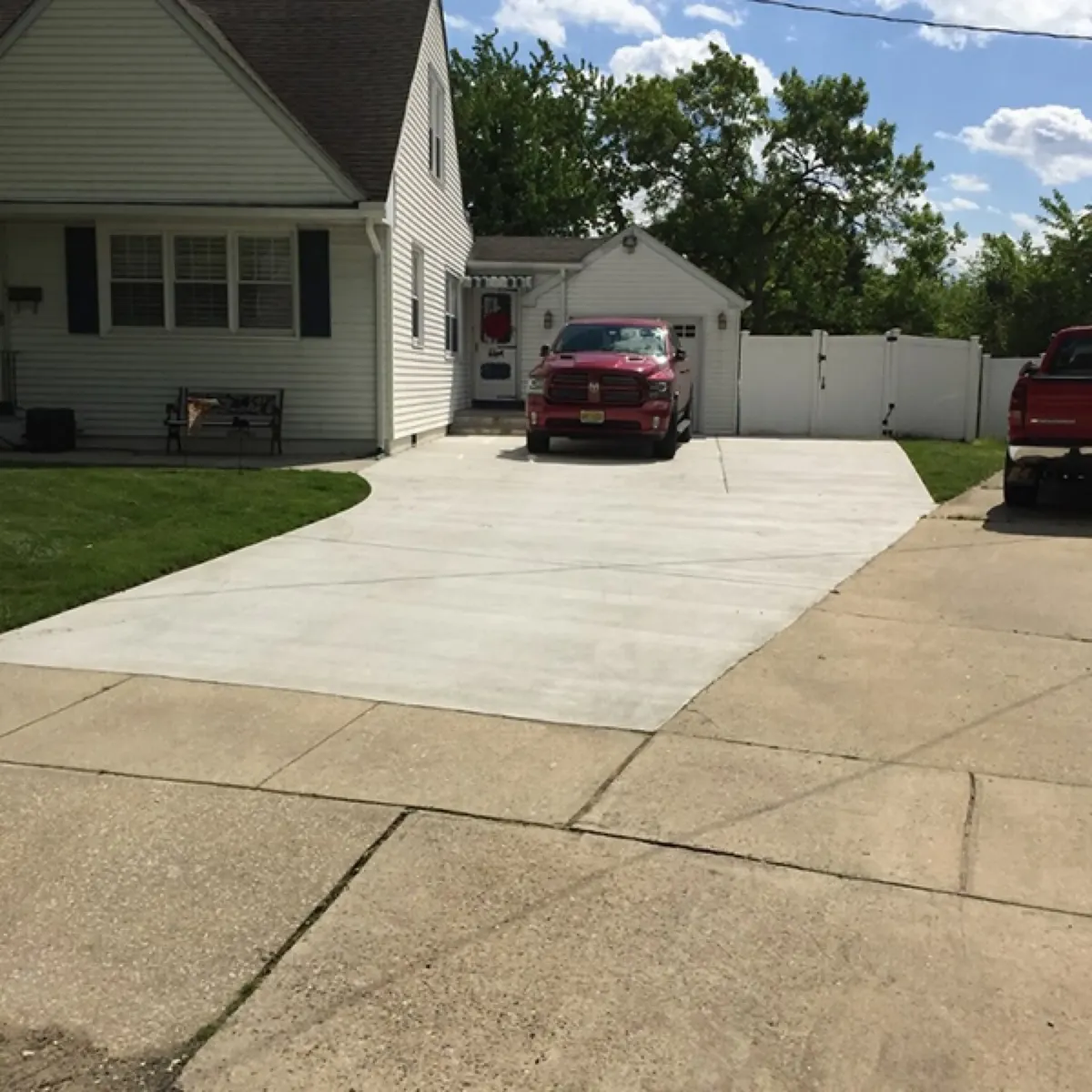
Install price is one number. Service life and maintenance are the two that decide which driveway was cheaper, and they only show up over time.
On a 600 square foot driveway, asphalt at $7 to $13 per square foot lands around $4,200 to $7,800. Concrete at $8 to $18 lands around $4,800 to $10,800. Asphalt starts ahead by a few thousand dollars.
Asphalt needs sealcoating every two to three years, at roughly $250 to $900 a visit per HomeGuide's driveway sealing cost data. Over thirty years that is ten or more cycles, plus resurfacing as the surface ages.
If asphalt reaches the end of its life at year 20 and concrete is still working at year 40, the asphalt owner buys a second driveway that the concrete owner never buys. That single event usually erases the original savings.
Very large driveways, short ownership windows, and rural properties with long runs still favor asphalt. When the surface area is big enough, the install gap outruns the maintenance gap.
Tear-out is a cost too. Removing a failed asphalt driveway and rebuilding the base before the next surface goes down is thousands of dollars that never appears in an install comparison. Count it once for concrete and possibly twice for asphalt.
Somebody has to schedule the sealcoating, move the cars, and stay off the surface while it dries. Ten or more cycles over thirty years is real disruption, even if you never add up the invoices.
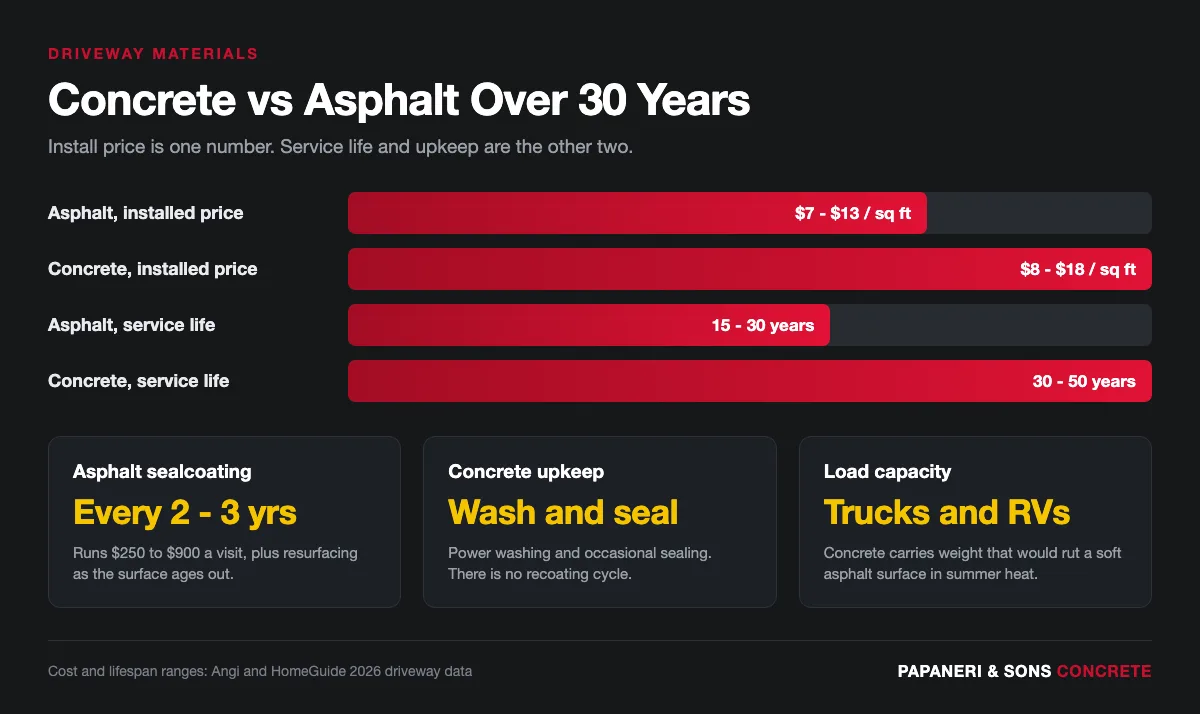
Papaneri & Sons has placed more than 5.7 million square feet of concrete in a climate that freezes and thaws all winter. Both materials take a beating here, just in different ways.
Asphalt stays flexible, which is why it handles ground movement well. Its weakness is the sun. Ultraviolet light and oxygen dry out the binder, the surface goes gray and brittle, and that is what the sealcoat cycle is fighting.
Concrete is rigid, so its weakness is surface chemistry. The National Ready Mixed Concrete Association calls for 4,000 psi and about 6 percent entrained air on exterior slabs where deicers are used, because a weak surface scales.
Our residential driveways go in at 4,500 psi with air entrainment, above that floor. Air-entrained concrete has millions of tiny bubbles that give freezing water somewhere to expand, which is the whole reason a good slab survives salt.
Snow removal is the other difference people forget. A plow blade or a metal shovel bites into softened asphalt more easily than into cured concrete. On a lighter concrete surface, you also see the ice you are about to walk on.
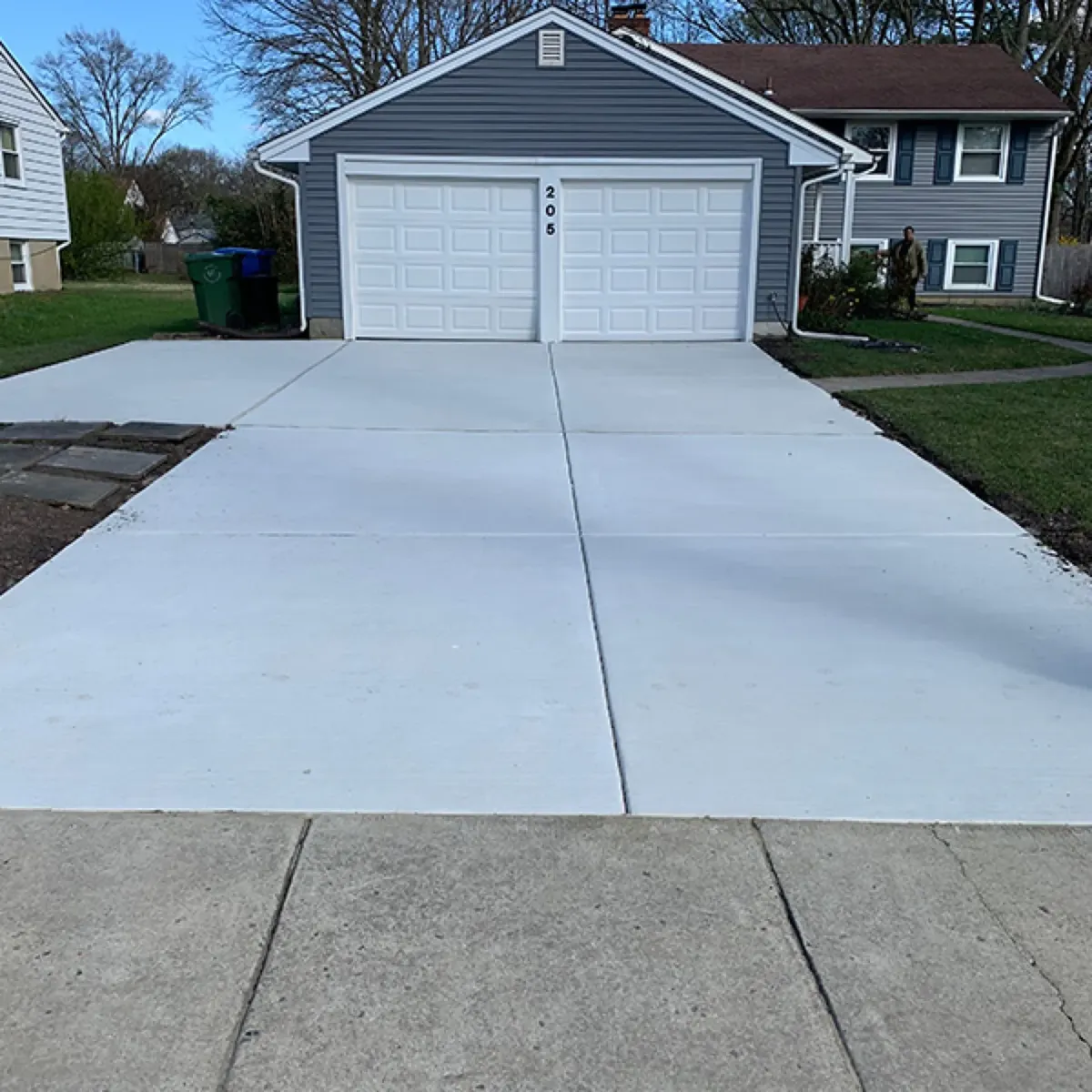
Start with how long you plan to own the house. Under five years, buy the cheaper install. Over fifteen, run the maintenance math before you decide, because that is where the two materials trade places.
Then look at what parks there. Trailers, RVs, work trucks, and dumpsters all push the answer toward concrete. A pair of sedans on a short suburban drive does not.
Look at your street as well. If most driveways on the block are asphalt, a concrete drive stands out in a good way but costs more than the neighborhood expects. If it is a mix, either choice looks at home.
Slope is worth checking before you decide. Steep driveways favor concrete because it grips better in winter and does not soften and creep in summer heat. On a flat lot the difference barely matters.
If concrete is the direction, get the slab depth right before you get the price. Our guide to how thick a concrete driveway should be covers thickness, base depth, and joint spacing in one place.
If you already have concrete and are only switching because it looks tired, check whether it needs replacing at all. Our post on driveway repair versus replacement runs the tests an estimator uses in the driveway.
Whichever you choose, budget for protection. Our concrete sealing page explains when a sealer is worth it on concrete and how that schedule compares to an asphalt sealcoat cycle.
It is not something we recommend. Asphalt flexes and concrete does not, so a slab poured on top of it cracks as the base beneath moves. The right sequence is to remove the asphalt, rebuild and compact the stone base, then pour. Anyone offering to skip that step is selling you a driveway with a short future.
A concrete driveway usually reads better to buyers because it looks newer for longer and does not show patch repairs. Asphalt in good condition is perfectly acceptable in most neighborhoods. The bigger factor is condition, since a cracked driveway of either material reads as deferred maintenance.
Asphalt can often be driven on within a couple of days. Concrete needs about seven days before vehicles use it, and closer to ten for heavy loads. Papaneri & Sons gives every customer a written schedule before the pour, so call (856) 354-9338 if you need the timing planned around your week.
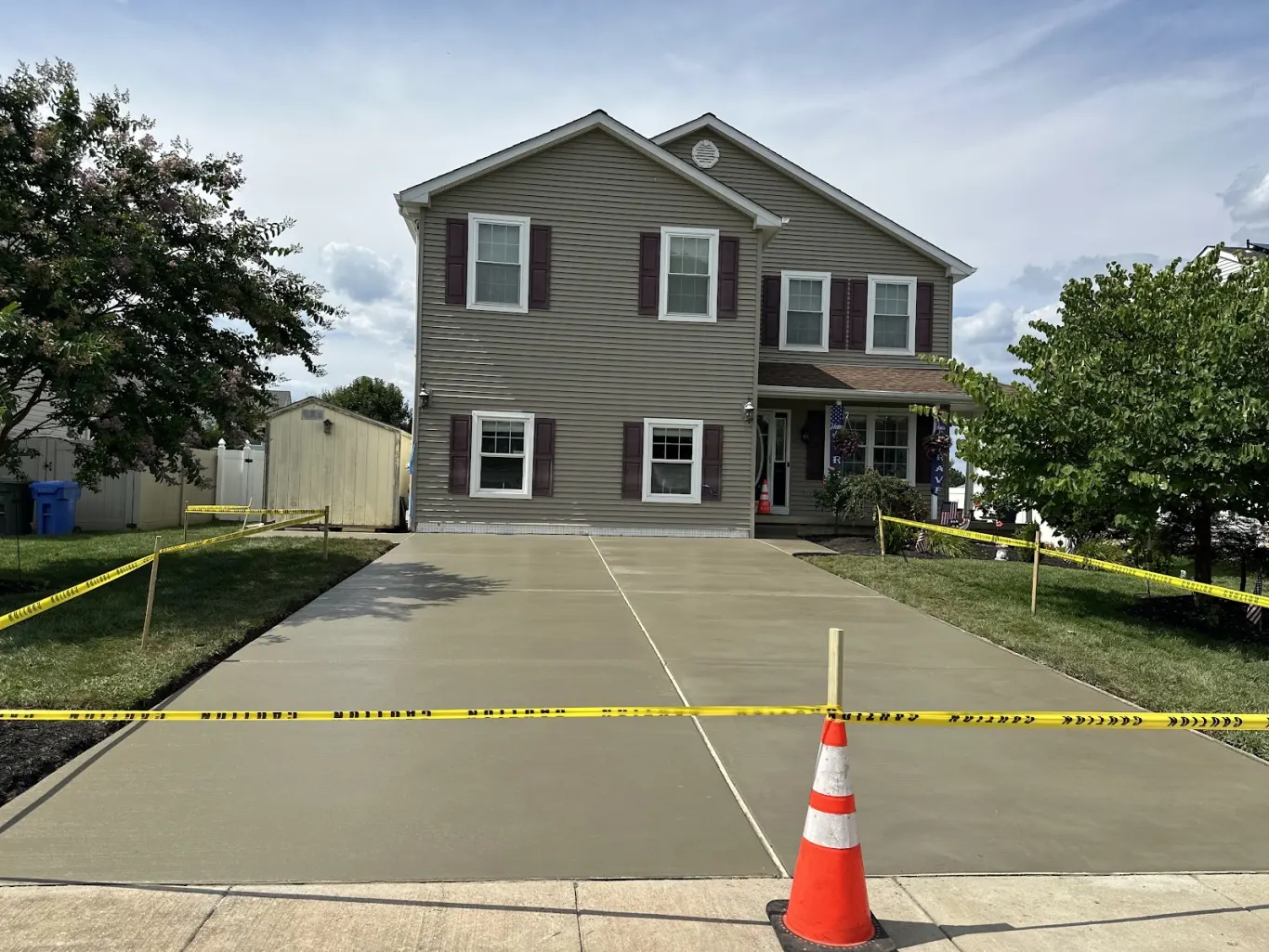
Bring us the asphalt quote you already have. We will price the same driveway in concrete so you can see the real gap instead of a rule of thumb. Papaneri & Sons builds driveways across Cherry Hill, Voorhees, Marlton, Mount Laurel, and Haddonfield. Family crew since 1987, free on-site estimates, 4,500 psi mix on every residential pour.