
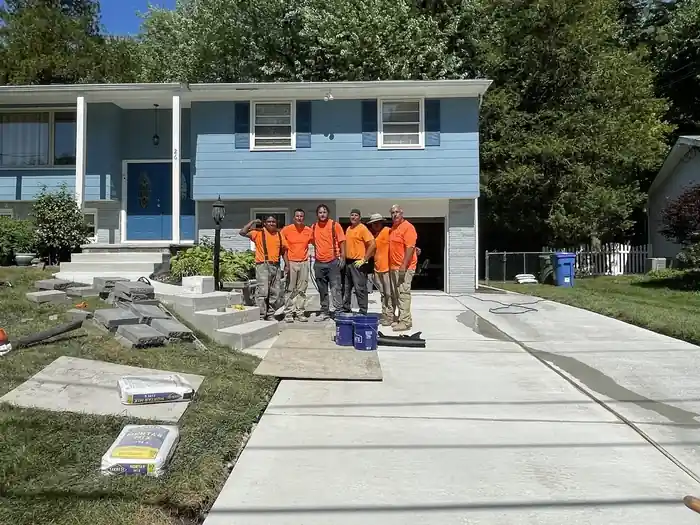
Crumbling treads, chipped nosings, and settled stoops made safe again. Papaneri & Sons has repaired and rebuilt South Jersey steps since 1987. Family owned, licensed, and insured.
Enter your info below.
We'll call you back shortly to set up your free on-site estimate. For anything urgent, call (856) 354-9338.




A chipped tread or a wobbly handrail post is not just an eyesore. Front steps are the one part of a house that everybody walks on, including your mail carrier and your guests.
Papaneri & Sons Concrete has repaired and rebuilt steps across Cherry Hill and South Jersey since 1987. We are family owned, ACI certified, licensed, and insured.
We patch broken nosings, resurface worn treads, rebuild collapsed corners, reset settled stoops, and pour brand new steps when the old ones are past saving.
Most step repairs are one or two days of work. You get safe, even treads back and an entry that looks like it belongs on the house.
Step repair sits alongside the rest of our concrete work. See everything on our list of concrete services in Cherry Hill, or call (856) 354-9338 for a free look at your steps.
Steps fail from the edges in. What we do depends on how far that damage has gone and whether the core of the structure is still sound.
The front edge of a tread takes the most abuse. We cut back to solid concrete, form the edge, and bond new material to rebuild the profile.
Salt damaged surfaces get ground back and resurfaced with a bonded repair mix. That gives you even, safe footing without replacing the whole structure.
When the landing pulls away from the house, we look at what is under it. Sometimes it needs support below, not just a caulked joint.
Steps that pitch back toward the door send water at your foundation. We reset or rebuild them with the correct pitch away from the house.
We also reset loose handrail posts, rebuild cheek walls at the sides, and repair the walkway joint where the bottom step meets the path.
If the treads are uneven heights after years of patching, we will say so. Inconsistent risers are the most common cause of trips on residential steps.
We also add or replace handrail anchors while the steps are open. Setting an anchor into sound concrete is far stronger than bolting a post to an edge that was repaired last month.
Homeowners always ask whether the steps can be saved. The honest answer depends on how deep the damage runs and whether the base is still solid.
If the concrete under the flaking is firm and the steps sit level, patching and resurfacing will hold for years.
Cracks that run through a tread, or corners that have broken off completely, point to a structure that is coming apart.
Steps that have settled, tilted, or pulled away from the house have a base problem. Resurfacing a moving structure is money thrown away.
Rust stains and bulging concrete mean the steel inside is corroding and expanding. Every patch will pop off until the steel is dealt with.
We check the risers with a level and tap the treads to find hollow spots. Hollow sounding concrete has already separated below the surface.
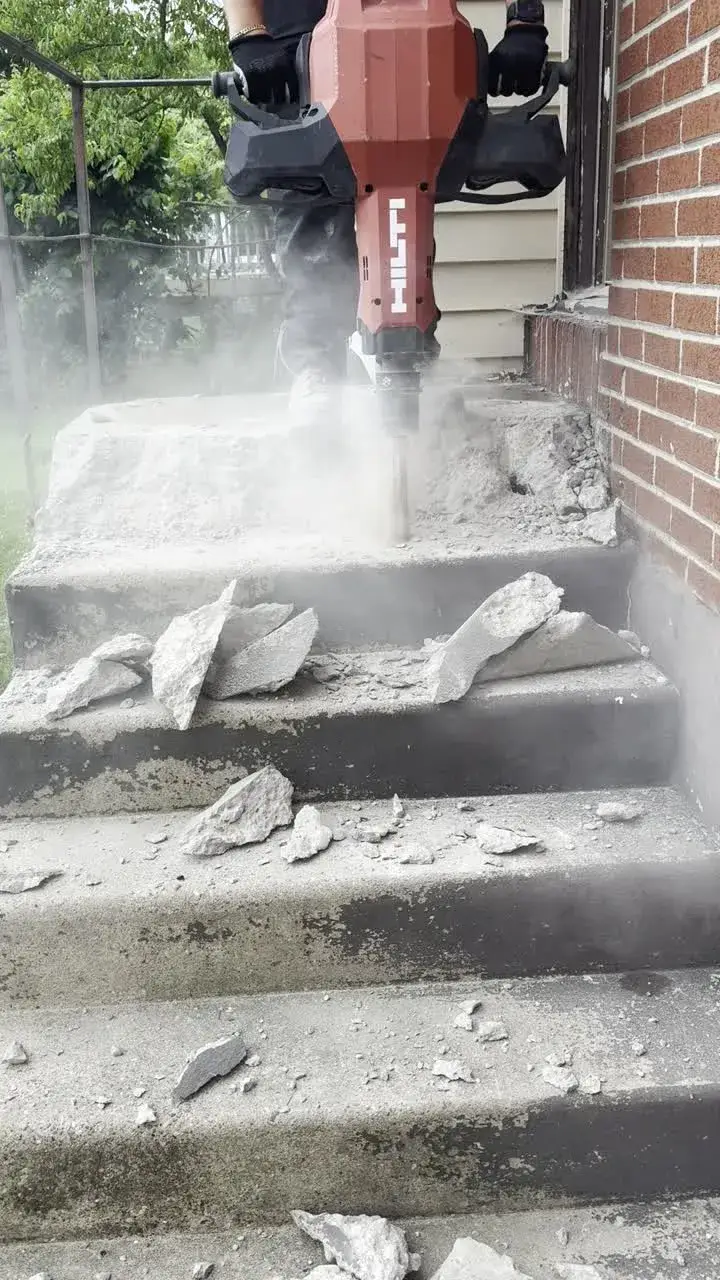
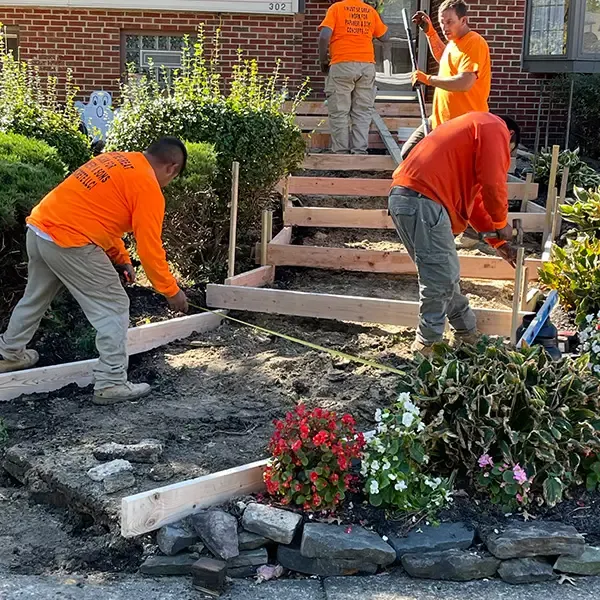
When a rebuild is the right call, we break out the old steps, rebuild the base with compacted stone, form the new steps, and pour them with steel inside.
Height changes count too. If your walkway or driveway was raised at some point, the bottom riser may now be shorter than the rest, and the fix is a rebuild rather than a patch.
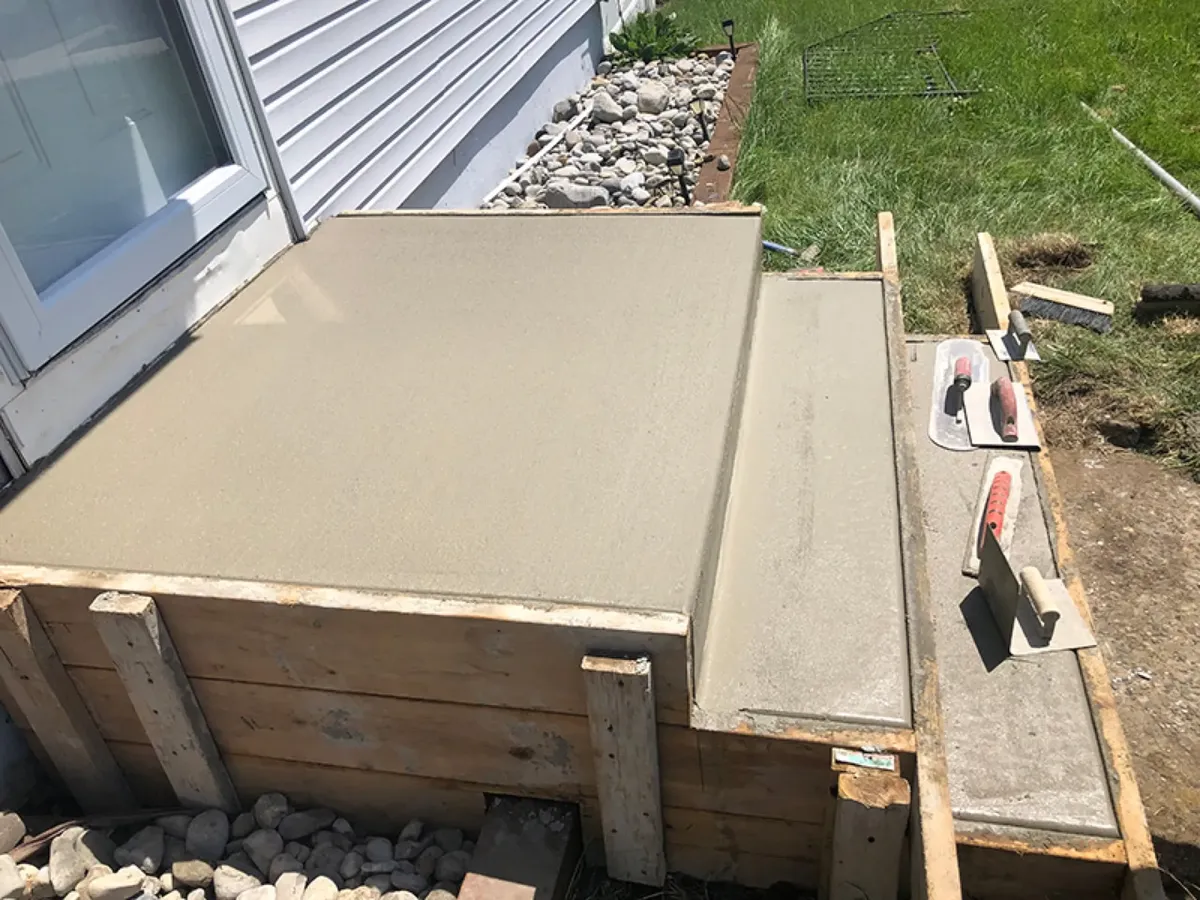
Steps take more punishment than any other concrete on a property. They face weather on five sides and get salted every winter.
Rock salt pulls water into the surface, and freezing water pushes the top layer off. That is what causes the sandy, flaking treads on so many older steps.
Steps poured flat instead of pitched hold puddles. Standing water works its way in and freezes overnight.
Downspouts dumping next to the stoop wash out the stone underneath. The steps then settle and pull away from the house.
When bars sit too near the face, they rust and expand. That force cracks the concrete from the inside out.
We fix the cause while we fix the steps. That usually means correcting the pitch, rebuilding the base, and moving water away from the entry.
Sealing new steps before their first winter helps a lot. We tell you when the concrete is cured enough to take a sealer.
Hollow steps are a common find in older homes. Some were built over block or rubble fill, and once water gets into that fill it freezes and pushes the treads apart from below.
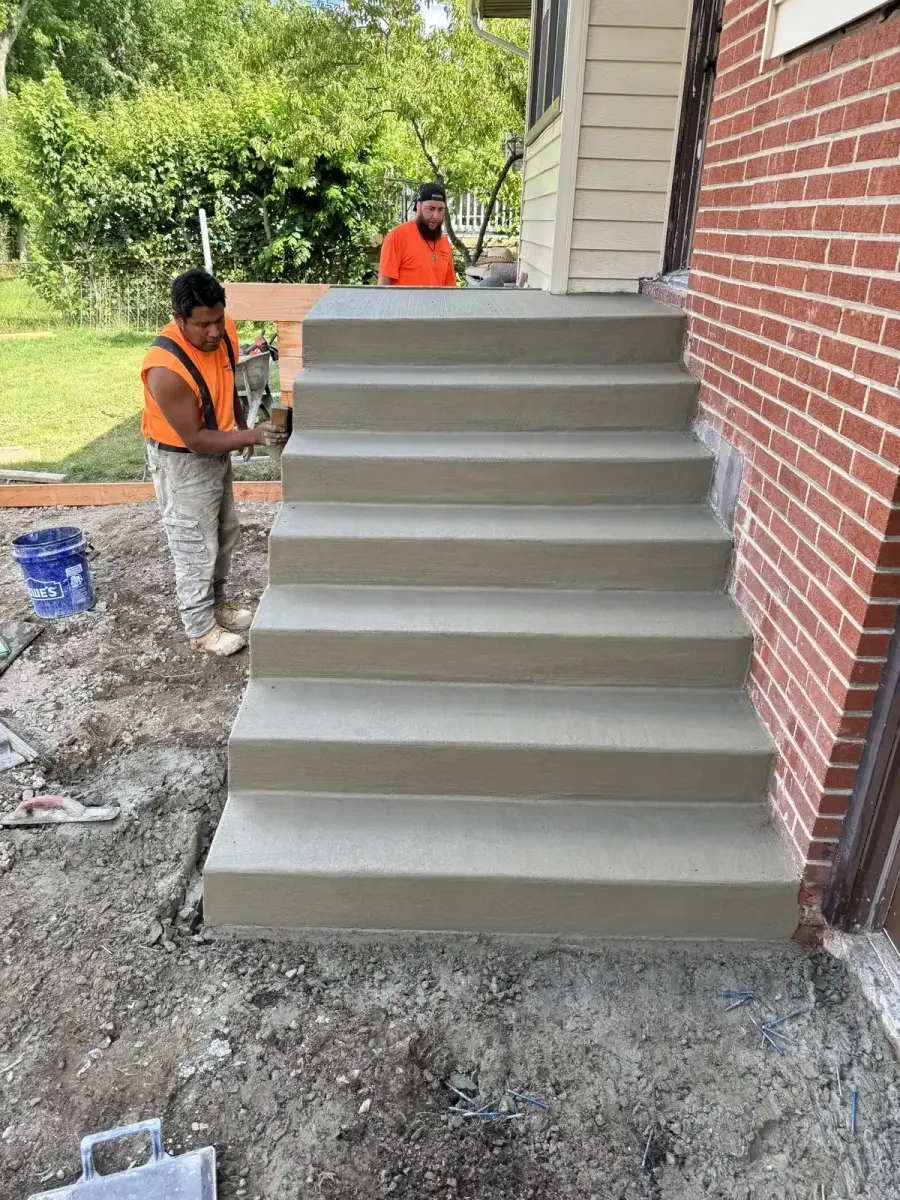
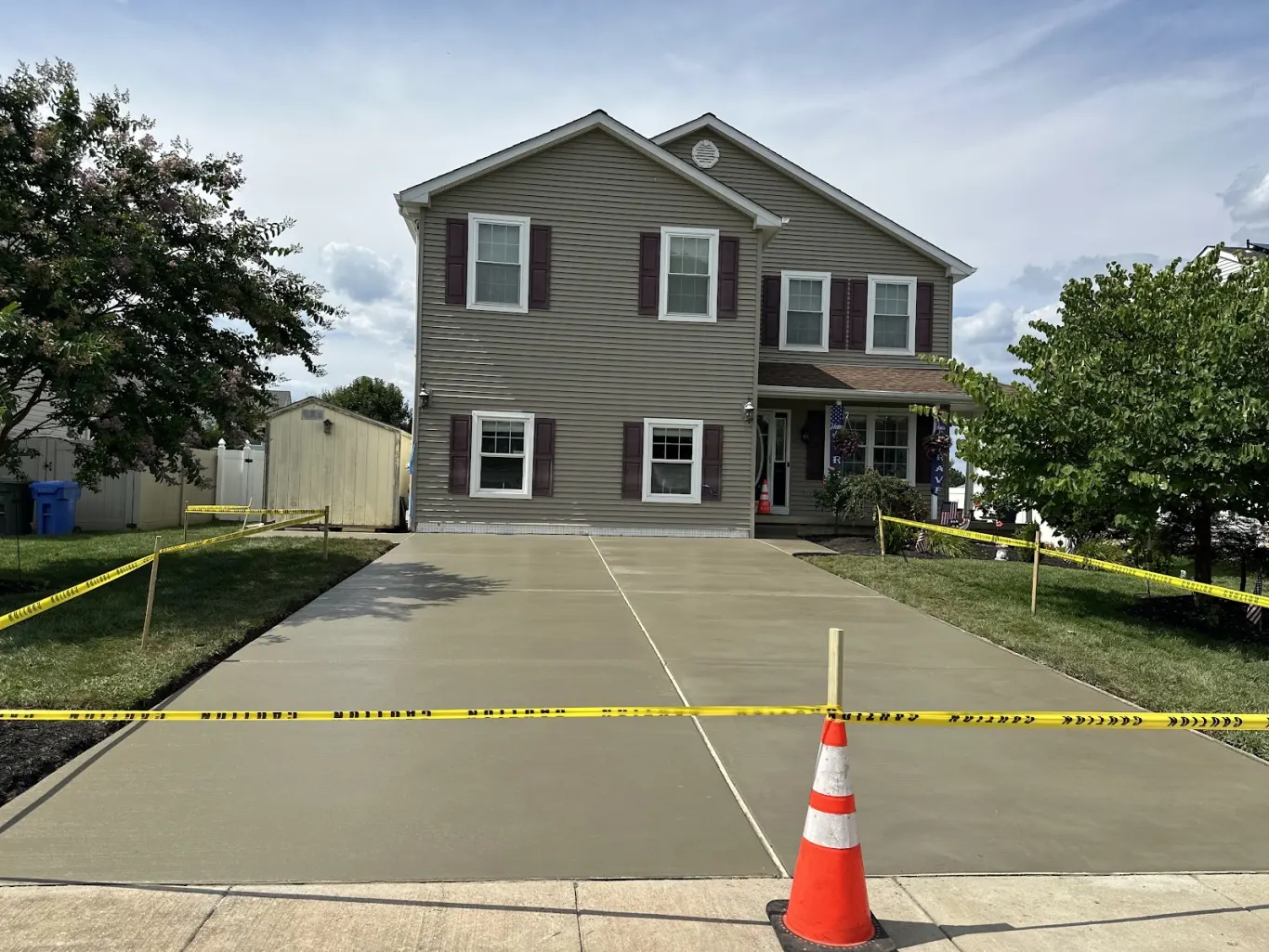
Papaneri & Sons has rebuilt South Jersey steps and stoops since 1987. ACI certified crews, even risers, correct pitch, and our 4500 PSI mix on every pour. Get your free estimate today.
Most jobs are quick, but you do lose the use of that entry for a few days. Here is the schedule we work to.
On repair days, we cut back the damaged concrete to a sound edge and clean the surface so the new material bonds instead of sitting on dust.
We form the tread and riser profile, place the repair mix, and finish it to match the texture of the surrounding steps.
On a rebuild, the old steps come out first and the base gets rebuilt with compacted stone. Then we form the risers, set steel, and pour the whole structure at once.
Foot traffic can usually return in 24 to 48 hours, and we leave a safe path to another door while the concrete sets.
We finish with a broom or trowel texture that gives grip in the rain, then clean up the entry, the walk, and the landscaping around it.
We protect the door and the siding while we work. Repair mix splashes, and it is far easier to mask a doorway than to clean cured concrete off vinyl or brick.
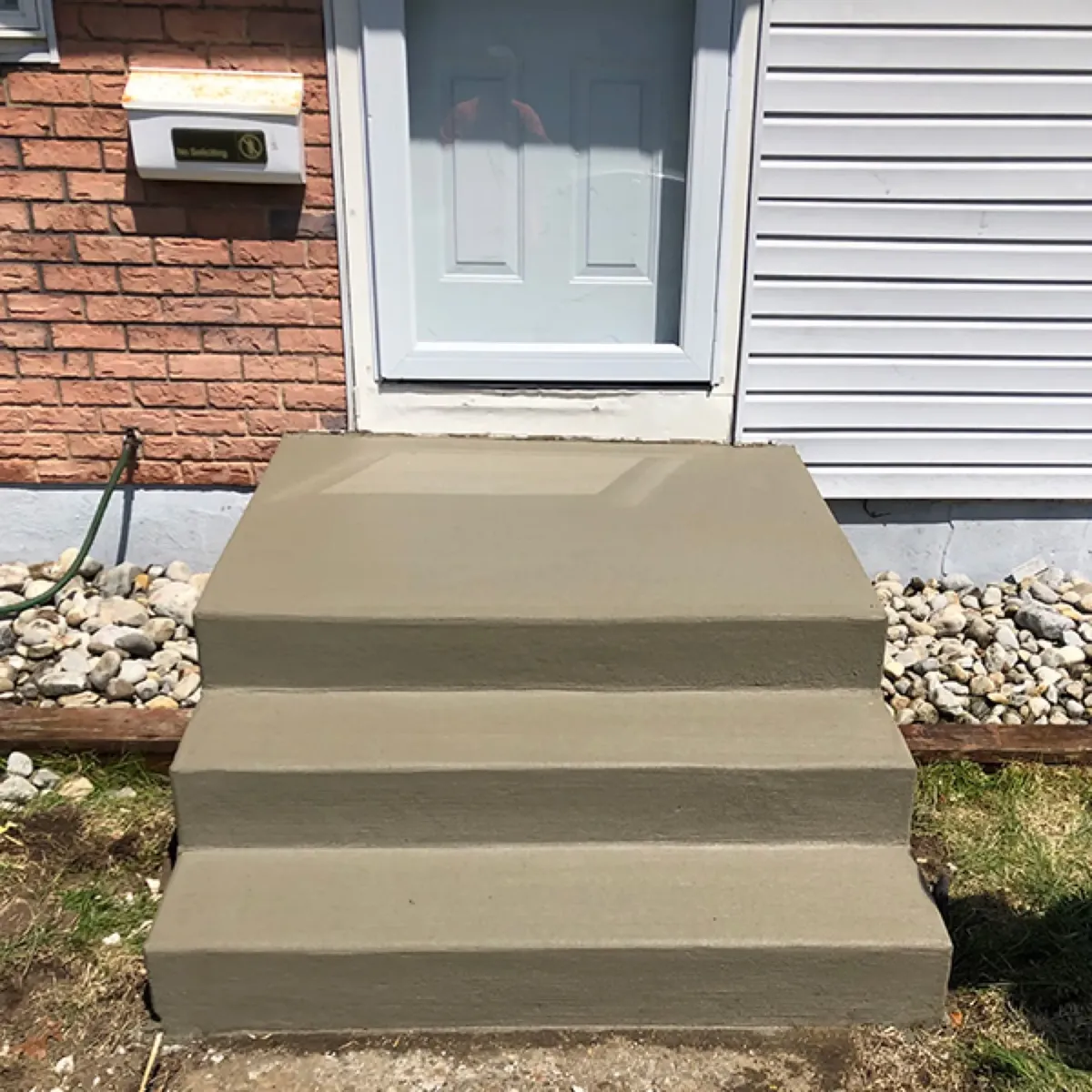
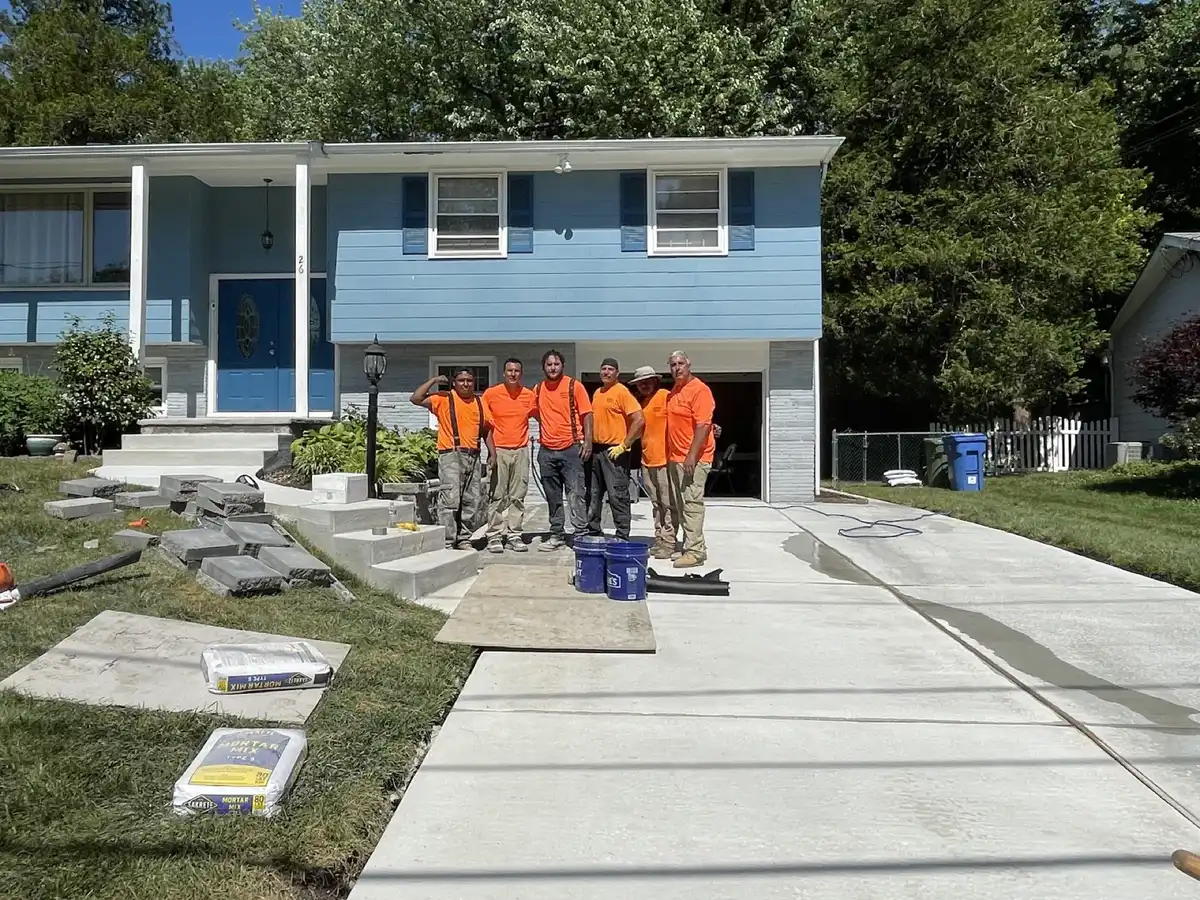
Steps are small jobs that need real skill. Risers have to match, treads have to pitch, and the finish is right at eye level for anyone at your door.
Three generations of the Papaneri family run every job. We treat a three step entry with the same care as a commercial pour.
Our crews are trained to industry standards and fully insured, so your home and your visitors are protected.
We measure and form so every riser is the same height. That is what keeps people from catching a toe on the way up.
Broom, trowel, or colored finishes to match your existing steps and walkway, so the repair does not stand out.
Yes, when the concrete under the flaking is still firm and the steps have not settled. We grind back the loose material and bond a repair mix or overlay to the sound concrete underneath. You can also see what cracked concrete step repair costs before you decide.
A properly bonded repair on a solid structure lasts for years, especially if the steps get sealed and the pitch moves water away. Repairs fail early when the base under the steps is still moving.
Usually 24 to 48 hours for foot traffic, depending on the weather and the size of the repair. We keep another entry usable while we work. Call Papaneri & Sons at (856) 354-9338 for a free estimate.
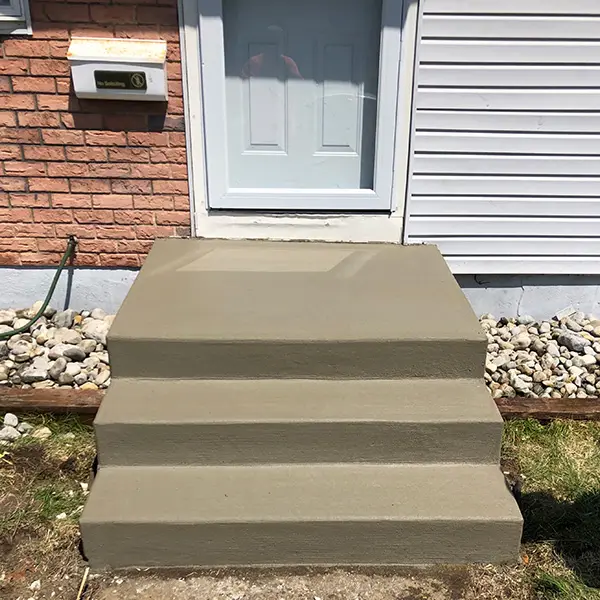
New poured steps and stoops formed with even risers and finished to match your home.
Learn more →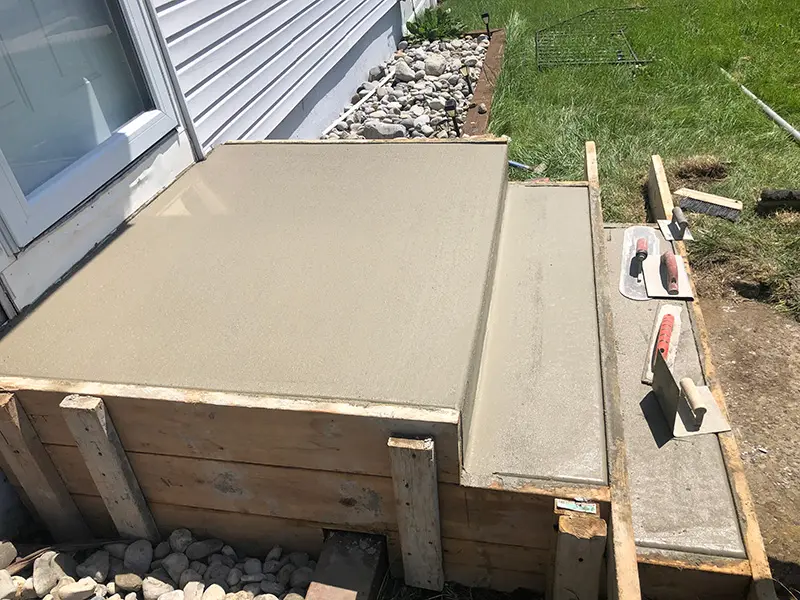
Patching, section replacement, and structural repairs for slabs, walks, and entries.
Learn more →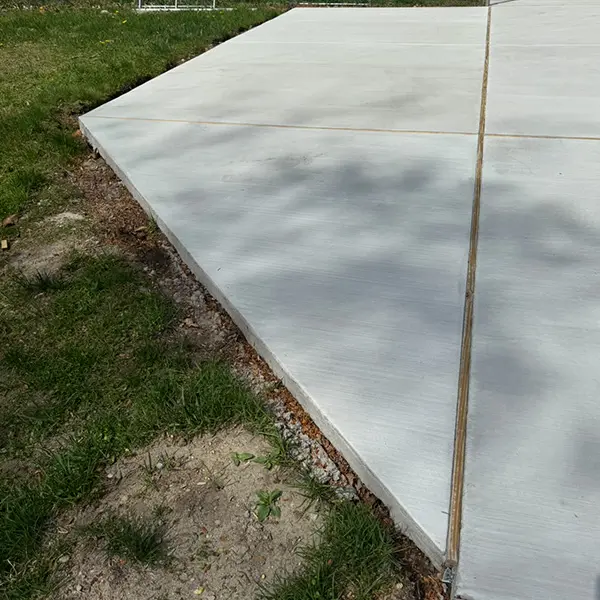
Bonded overlays that restore worn concrete surfaces without a full replacement.
Learn more →