


Concrete construction services play a major role when homeowners decide to install or upgrade a driveway. A driveway is more than a place to park. It impacts curb appeal, safety, durability, and long-term maintenance costs. Choosing the right concrete driveway requires understanding materials, finishes, and installation methods.
In this guide, we explain the most common concrete driveway options, their advantages and drawbacks, and how working with experienced professionals leads to better results. If you’re planning a new driveway or replacement, this article will help you make an informed decision.
Why Concrete Construction Services Matter for Driveways
Hiring professional concrete construction services ensures your driveway is built to last. Driveways must handle heavy loads, weather changes, and daily use. Poor installation often leads to cracking, sinking, and drainage problems.
A reliable concrete company evaluates soil conditions, slope, and usage before starting work. This planning phase prevents costly repairs later. In addition, skilled contractors follow proper curing and reinforcement methods, which directly affect durability.
Choosing professionals from the start protects both your investment and your home’s appearance.
Understanding Concrete Driveway Options
Concrete driveways are not one-size-fits-all. Homeowners can choose from several styles based on budget, design, and performance needs.
Each option has unique benefits. However, every choice also comes with limitations. Understanding both sides helps avoid disappointment later.
Professional concrete specialists guide homeowners through these options based on property layout and usage.
Standard Poured Concrete Driveways
A standard poured concrete driveway is the most common option. It provides a clean, simple look and strong performance.
Pros of Standard Concrete Driveways
Standard concrete is affordable compared to decorative finishes. It offers excellent durability and handles vehicle weight well. Maintenance is minimal, making it ideal for busy homeowners.
Cons of Standard Concrete Driveways
While durable, plain concrete can crack over time. In addition, the appearance is basic. Without decorative touches, it may not enhance curb appeal as much as other options.
Stamped Concrete Driveways
Stamped concrete mimics the look of stone, brick, or tile while maintaining concrete strength.
Pros of Stamped Concrete
Stamped finishes add visual appeal without the cost of natural materials. They also increase property value. Many homeowners prefer stamped designs for custom aesthetics.
Cons of Stamped Concrete
Stamped concrete requires more maintenance. Sealing is essential to prevent fading and moisture damage. Installation costs are also higher than standard concrete.
Exposed Aggregate Concrete Driveways
Exposed aggregate finishes reveal small stones within the concrete surface.
Pros of Exposed Aggregate
This finish provides excellent traction. It also offers a decorative appearance without excessive cost. Many homeowners choose it for safety and style.
Cons of Exposed Aggregate
The surface can feel rough underfoot. Repairs may also be more noticeable compared to smooth finishes.
Colored Concrete Driveways
Colored concrete allows homeowners to customize their driveway’s look.
Pros of Colored Concrete
Color enhances curb appeal and coordinates with exterior design. It also resists fading when sealed properly.
Cons of Colored Concrete
Color matching during repairs can be challenging. Additionally, colored concrete costs more than standard finishes.
Comparing Concrete Driveways to Other Materials
Concrete is often compared to asphalt, pavers, and gravel.
Concrete lasts longer than asphalt and requires less frequent replacement. Compared to gravel, it offers better stability and cleaner appearance.
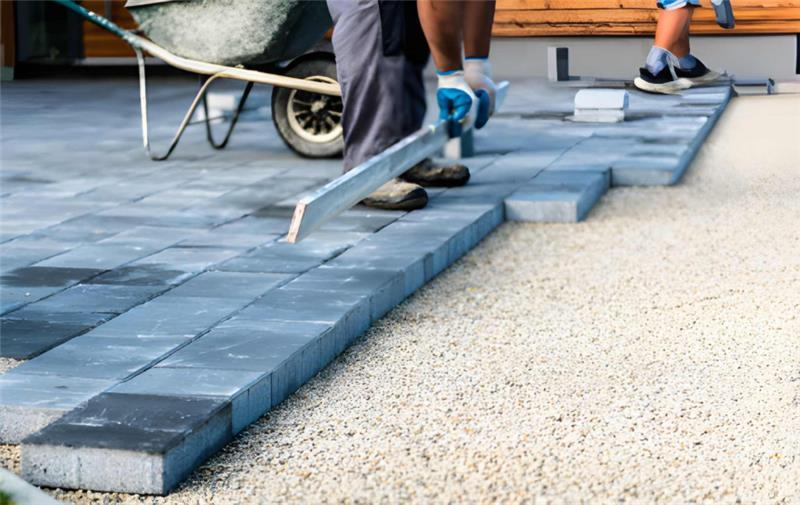
While patio pavers installation offers flexibility and style, concrete driveways provide superior load-bearing strength and lower maintenance.
Role of Residential Cement Contractors
Experienced residential cement contractors ensure proper base preparation, reinforcement, and finishing. These steps directly affect lifespan and performance.
Contractors assess drainage to prevent water pooling. They also use expansion joints to control cracking. Without these steps, even high-quality concrete may fail prematurely.
Working with professionals ensures the driveway performs as expected.
Concrete Driveway Installation Process Explained
Understanding the process helps homeowners plan better.
Step 1: Site Evaluation
Contractors assess soil, slope, and drainage. This step determines base depth and reinforcement needs.
Step 2: Excavation and Base Preparation
The area is excavated and compacted. A solid base prevents sinking and cracking.
Step 3: Reinforcement
Steel rebar or wire mesh strengthens the concrete. This is critical for long-term durability.
Step 4: Pouring and Finishing
Concrete is poured, leveled, and finished. Decorative options are added at this stage.
Step 5: Curing
Proper curing allows concrete to gain strength. This step is often overlooked but essential.
Maintenance Requirements for Concrete Driveways
Concrete driveways require minimal maintenance compared to other materials.
Regular cleaning prevents stains. Sealing every few years protects against moisture and chemicals. Small cracks should be repaired early to prevent spreading.
Professional concrete construction services often offer maintenance guidance after installation.
Climate Considerations for Concrete Driveways
Climate impacts driveway performance. Freeze-thaw cycles can cause cracking if concrete is not installed correctly.
Proper reinforcement and control joints reduce damage. Sealants also protect against moisture intrusion.
Local concrete specialists understand regional climate challenges and adjust installation methods accordingly.
Integrating Walkways and Driveways
Many homeowners choose to match driveways with walkways. Concrete walkway installation creates a cohesive exterior design.
Using similar finishes enhances curb appeal. It also improves accessibility and safety around the property.
Planning both features together often reduces costs and improves aesthetics.
Concrete Driveways vs Patio Pavers Installation
When choosing between concrete driveways and patio pavers installation, homeowners should consider both performance and maintenance. Pavers offer design flexibility and allow for easy spot repairs. They are often used for patios and walkways where aesthetics matter most.
Concrete driveways, on the other hand, provide superior load-bearing strength. They are less likely to shift or settle under vehicle weight. Maintenance is also simpler, as there are no joints where weeds can grow.
For homeowners prioritizing durability and low maintenance, concrete is often the better option. Pavers may work well for patios, but concrete remains the preferred choice for driveways.
Choosing the Right Concrete Company
Selecting the right contractor is as important as choosing the material.
Look for experience, licensing, and reviews. Ask about previous driveway projects. Reliable concrete construction services offer warranties and clear timelines.
Avoid choosing based solely on price. Poor workmanship leads to costly repairs.
Why Professional Installation Is Worth It
DIY concrete projects often fail due to improper curing or base preparation.
Professional installation ensures structural integrity and longevity. It also saves time and reduces stress.
Experienced residential cement contractors deliver consistent quality and long-term value.
Why Papaneri Concrete Is a Trusted Choice
At Papaneri Concrete, we specialize in residential concrete solutions. Our team provides expert concrete construction services tailored to your home’s needs.
From concrete driveway installation to walkways and patios, we focus on quality, durability, and design. We work closely with homeowners to ensure results that last.
Conclusion: Making the Right Choice for Your Home
Choosing the right driveway is a long-term decision that impacts both functionality and curb appeal. With the help of professional concrete construction services, homeowners can select a driveway option that fits their budget, design preferences, and performance needs.
From standard poured concrete to decorative finishes, each option has clear advantages and limitations. Understanding these differences allows you to make an informed choice that delivers lasting value. When installed by experienced residential cement contractors, a concrete driveway offers strength, durability, and reliability for decades.
If you’re planning a new driveway or replacement, working with a trusted concrete company ensures quality results and peace of mind.
FAQs About Concrete Driveways