Flat, dry basement slabs poured over a stone base and a heavy vapor barrier. Papaneri & Sons has been pouring floors in South Jersey since 1987. Family owned, licensed, and insured.
Enter your info below.
We'll call you back shortly to set up your free on-site estimate. For anything urgent, call (856) 354-9338.




Most basement floor problems have nothing to do with the concrete itself. They start with the stone, the grading, and the moisture barrier under it. Get those right and the floor stays dry and flat for decades.
Papaneri & Sons Concrete has poured basement floors across Cherry Hill and South Jersey since 1987. We are family owned, ACI certified, licensed, and insured. Three generations of our family have worked these same streets.
We pour new basement slabs, replace old failing floors, and prep floors for finished living space. We also handle utility rooms, walkout basements, and crawl space conversions where headroom is tight.
Older homes around Cherry Hill often have thin, unreinforced basement slabs poured straight on dirt. Those floors sweat, crack, and break apart under any real load. A modern slab system fixes all three problems at once.
Basement floors are one of many pours we handle for South Jersey homes and businesses. You can see our full list of concrete services in Cherry Hill, or call us at (856) 354-9338 for a free estimate on your basement.
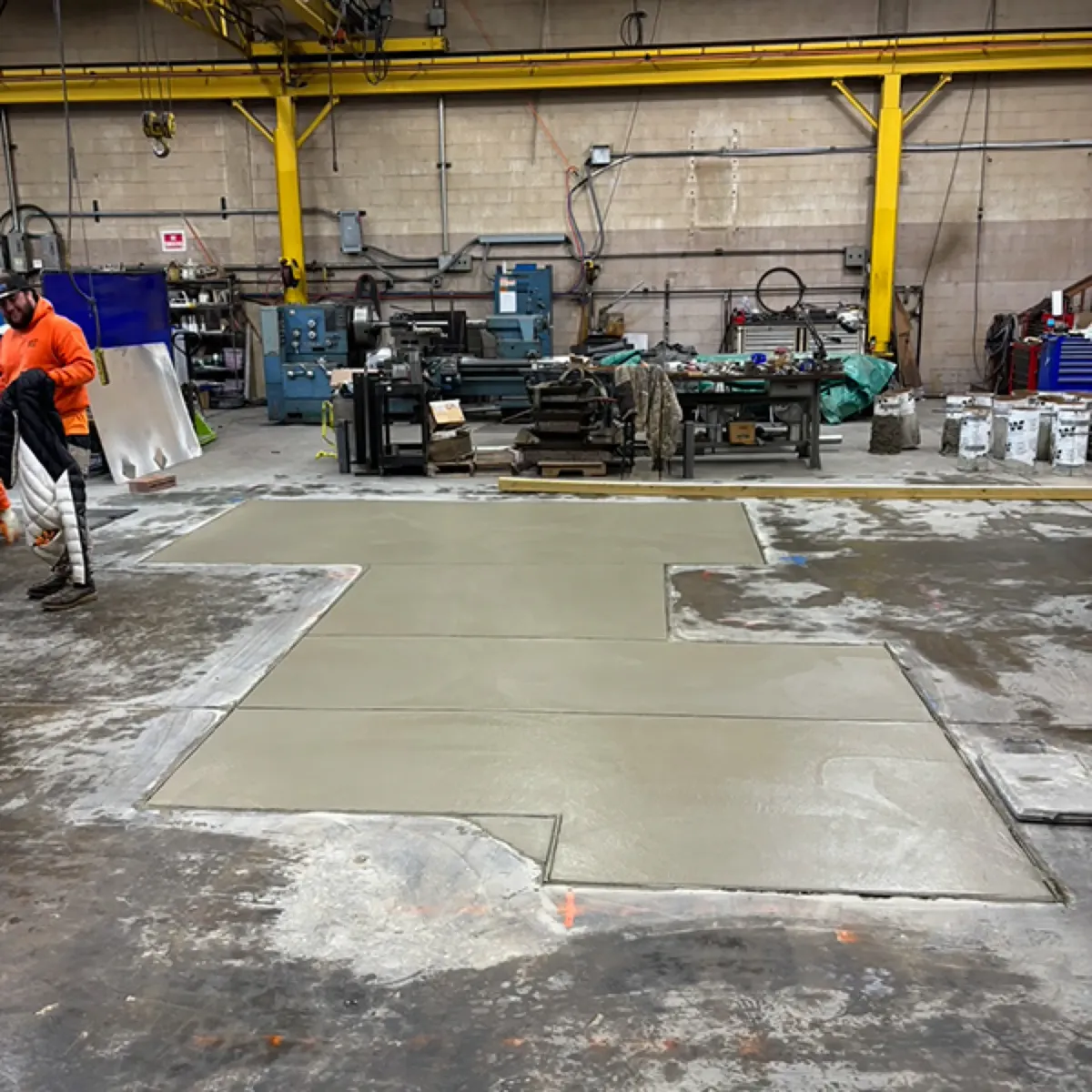
No two basements are the same. We match the slab, the base, and the moisture control to how you plan to use the space. That keeps the cost tied to real needs instead of guesswork.
For new builds and additions, we pour the full basement floor after the walls and footings are set. The slab ties into the footing and drains the way the plan calls for.
When an old slab is cracked, heaved, or crumbling, we break it out and haul it away. Then we rebuild the base, add the barrier, and pour a fresh floor to the right thickness.
Planning a family room, gym, or in-law suite? We pour a flat, low-moisture slab that is ready for tile, vinyl plank, or carpet without cupping or trapped damp.
Furnace rooms, water service areas, and laundry spaces need slope, drainage, and pads for equipment. We build those details into the pour instead of patching them later.
We also raise low spots, form equipment pads, and pour around sump pits and floor drains. Small details like a clean drain surround keep water moving to the pit instead of pooling under a wall.
If a basement has never had a real slab, we can lay one over the dirt floor. That takes careful excavation and grading first, since headroom in older Cherry Hill homes is usually already tight.
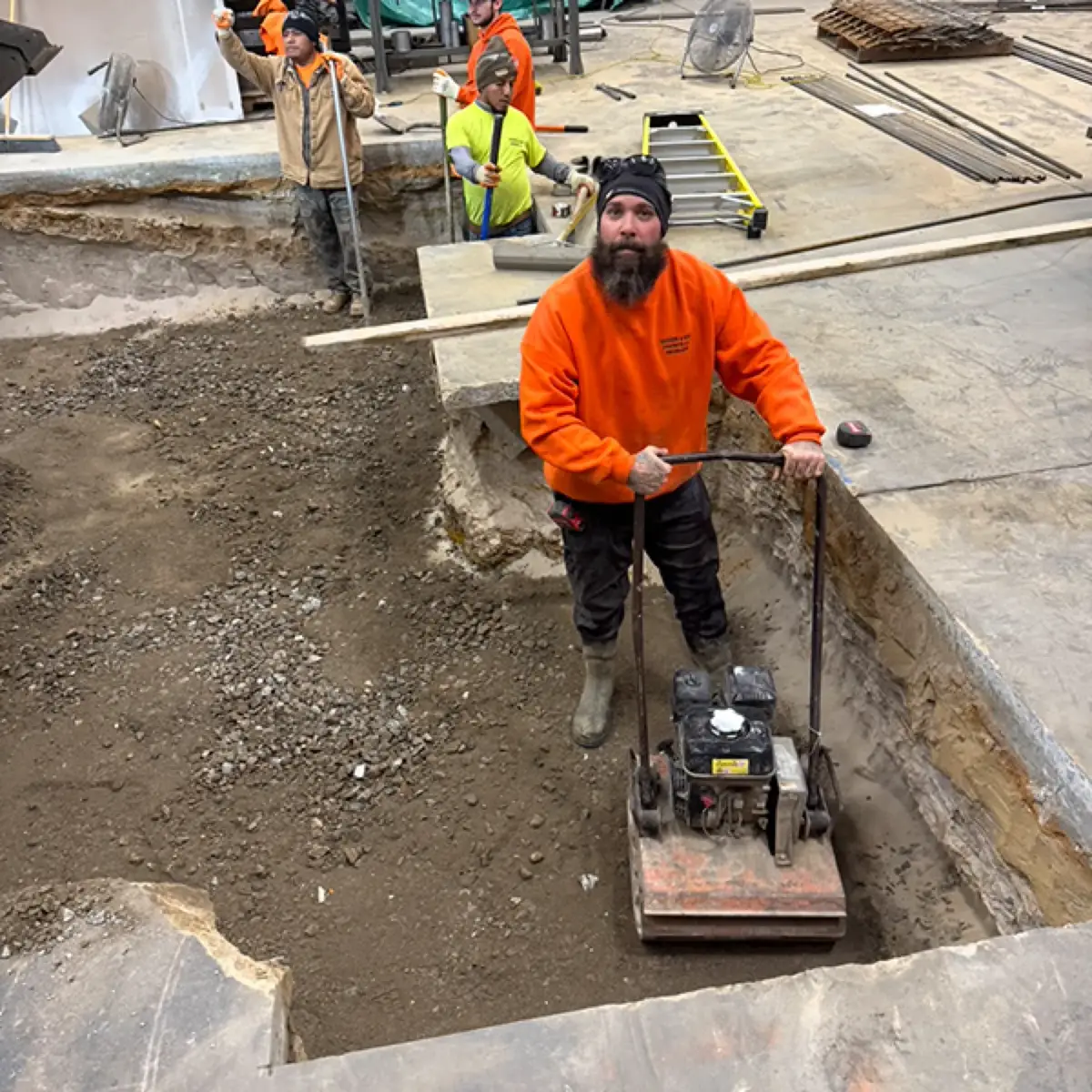
A basement slab is a system with four layers. Each one protects the layer above it. Skipping any of them is what leads to a damp, cracked floor a few years later.
We start by digging out the old floor or the loose soil and setting the grade. Getting the elevation right protects your headroom and keeps the finished floor level with door thresholds and stairs.
Next comes clean crushed stone, spread and compacted in lifts. The stone gives the slab uniform support and breaks the path that ground water uses to wick upward into the concrete.
Then we lay a heavy poly vapor barrier over the stone, lap the seams wide, and tape them. We run the sheet up the wall line so moisture cannot sneak in around the edge of the slab.
Steel comes next. We set wire mesh or rebar sized to the load, then place our 4500 PSI mix and screed it dead flat. Flat matters most in a basement, since finished flooring shows every dip.
We finish the surface with a hard trowel, then cut control joints on a planned grid. Joints give the slab a place to crack out of sight instead of wandering across the middle of your new floor.
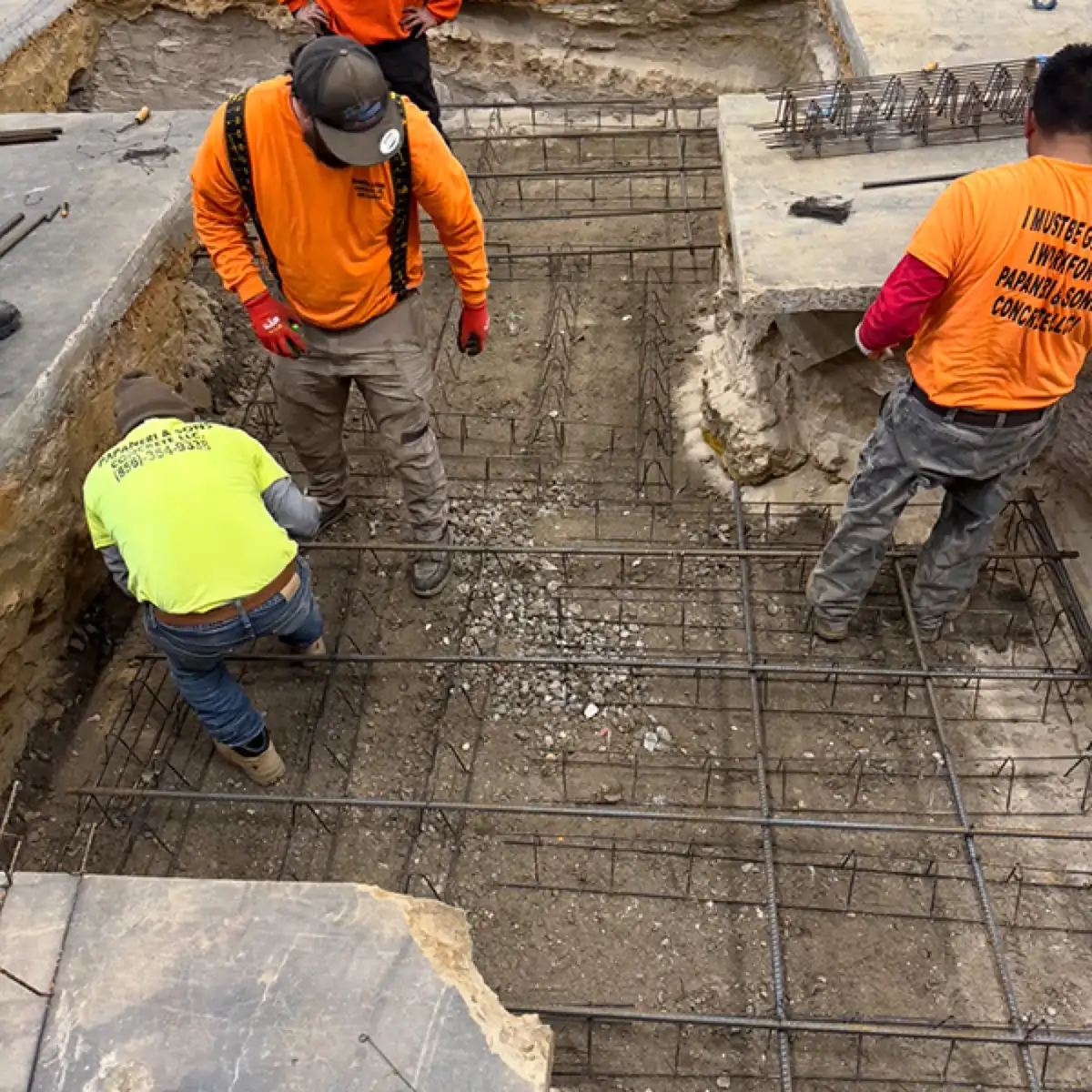
Three choices decide how a basement floor performs. How thick it is, what steel is in it, and what sits under it. We size all three to the room and the soil on your lot.
A standard basement floor runs four inches thick with wire mesh. That handles furniture, storage, appliances, and normal foot traffic with room to spare.
Home gyms, workshops, car lifts, and heavy safes call for five or six inches with rebar. We thicken just those areas so you are not paying for extra concrete everywhere.
We use heavy 10 mil poly or better under interior slabs. Thin sheeting tears under boots and wheelbarrows during the pour, and a torn barrier stops doing its job.
Wet lots may need a perimeter drain, a sump pit, or a slight pitch toward a floor drain. We look at how water moves on your property before we set the grade.
South Jersey soils hold water, and Cherry Hill sees hard freeze and thaw swings every winter. A slab poured straight on damp clay will pull that moisture up into whatever flooring you install on top.
We also isolate the slab from the foundation walls and any columns. That small gap lets the floor move on its own instead of cracking along every wall in the basement.
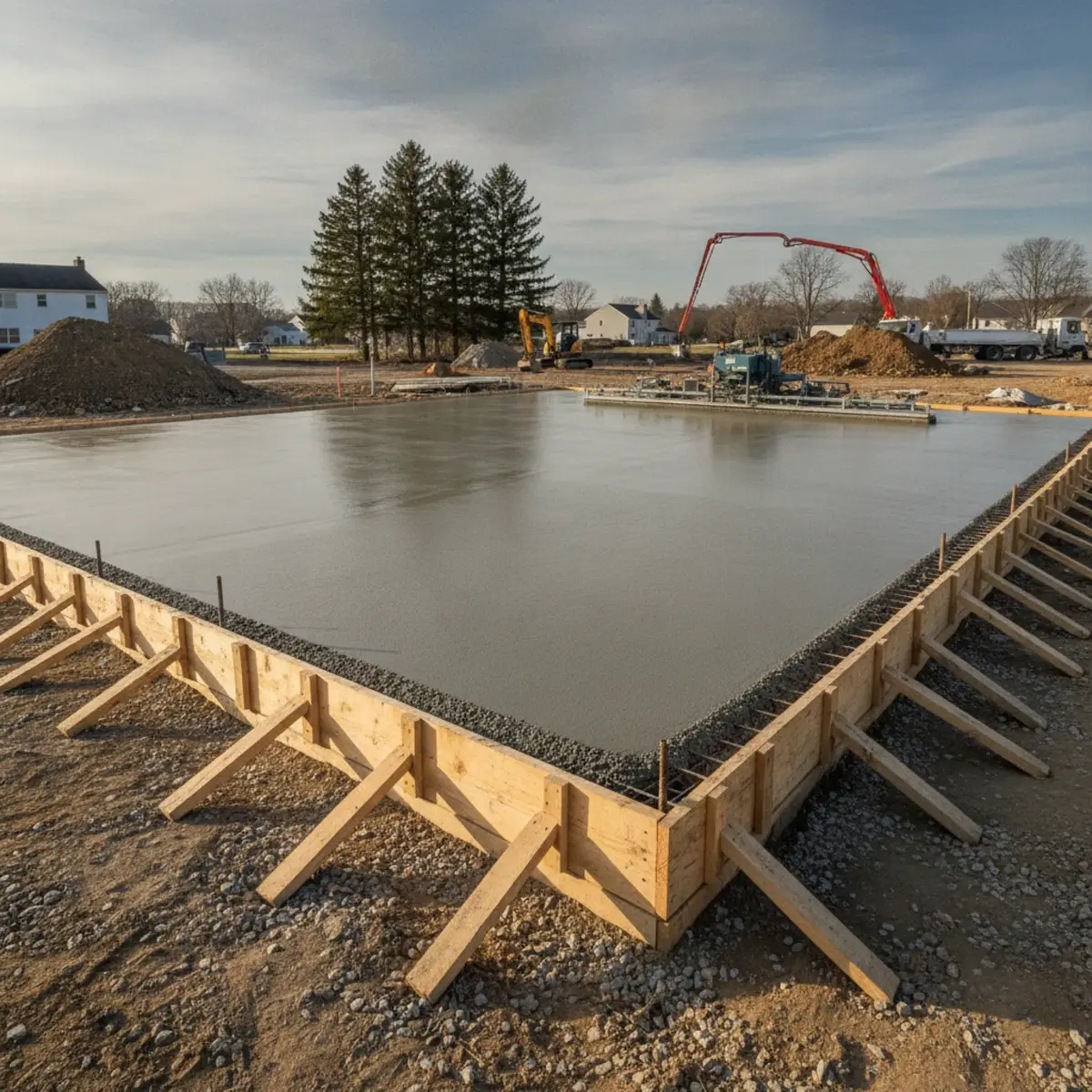
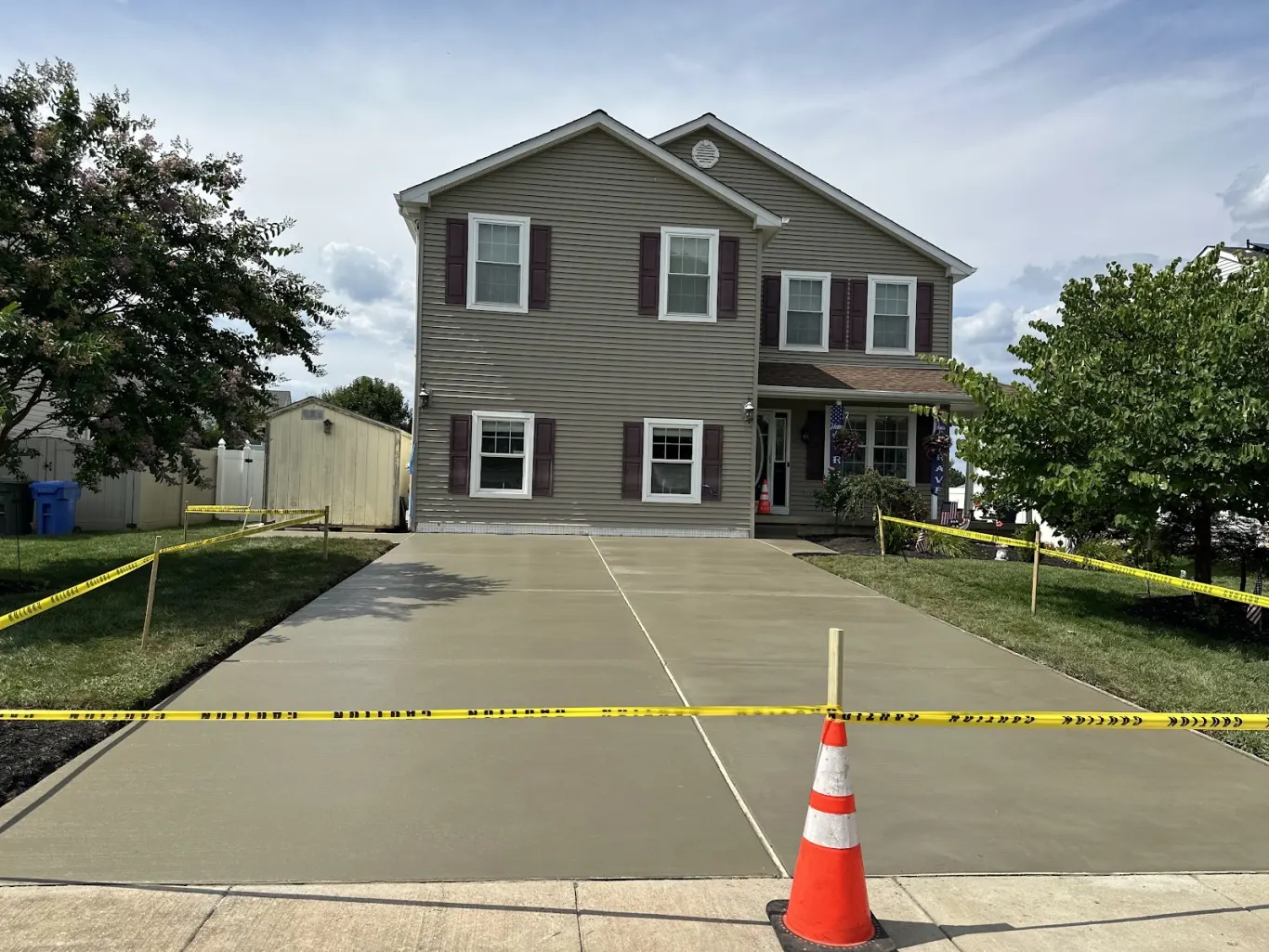
Papaneri & Sons has poured basement and interior floors across South Jersey since 1987. ACI certified crews, a proper stone base, a heavy vapor barrier, and our 4500 PSI mix. Get your free estimate today.
Not every basement floor needs to come out. Small hairline cracks are normal and easy to seal. These are the signs that point to a full replacement instead.
When one side of a crack sits higher than the other, the base under the slab has moved. Patching the top does nothing about the soil that caused it.
A floor that always feels cool and damp, or shows chalky white deposits, is pulling ground moisture through the concrete. There is no barrier under it doing the work.
Concrete that sheds sand and flakes underfoot has lost its surface strength. Coatings and paint will keep peeling off until the slab is replaced.
Low spots near a sump pit or floor drain usually mean washed out material below. Water is moving under the slab and taking the base with it.
We walk the basement with you, check the low spots with a level, and tell you straight if a repair will hold. Sometimes a section replacement is enough, and we will say so.
When a floor does need to come out, we protect the stairs and doorways, break the slab into manageable pieces, and haul every bit away. You get a clean space back before we start rebuilding.
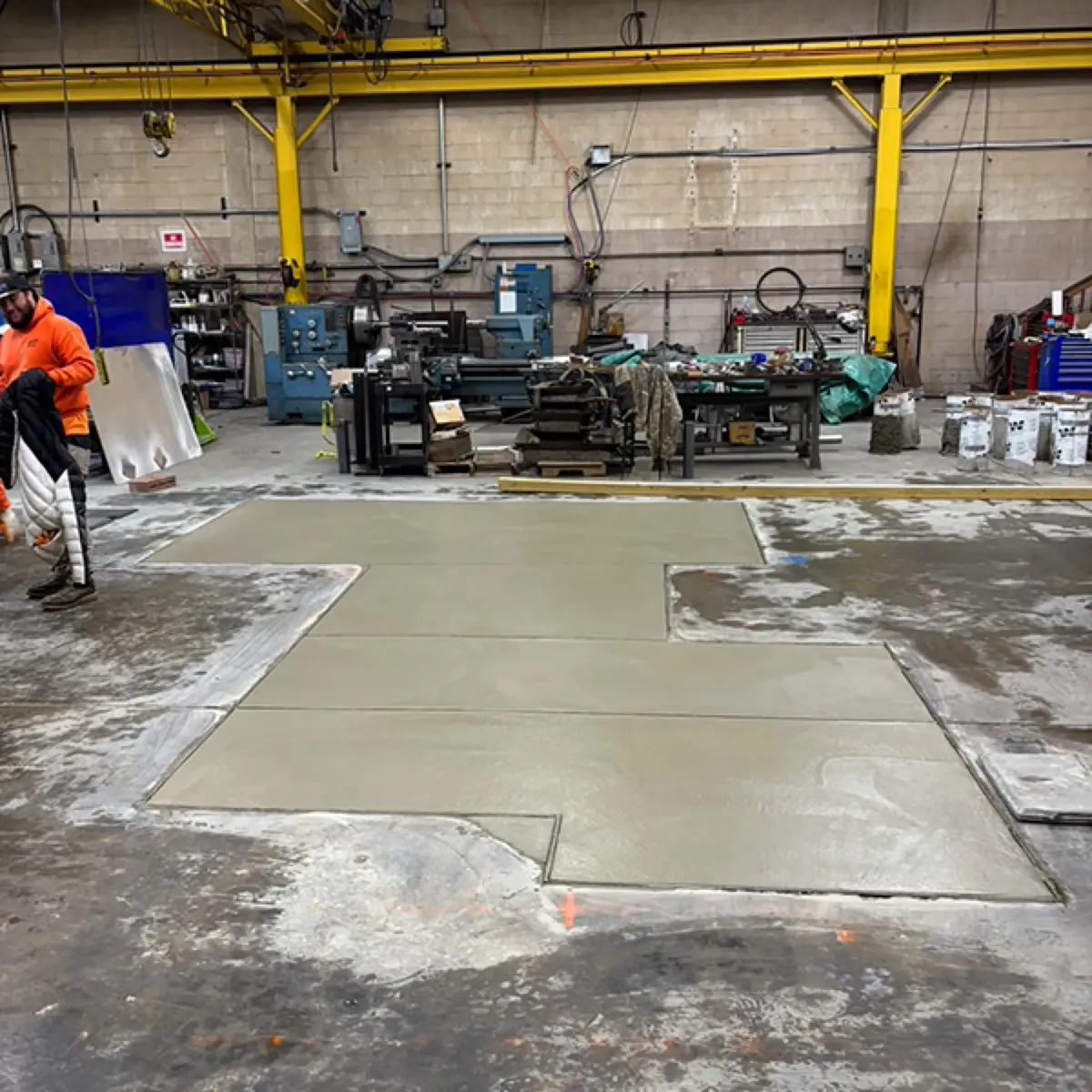
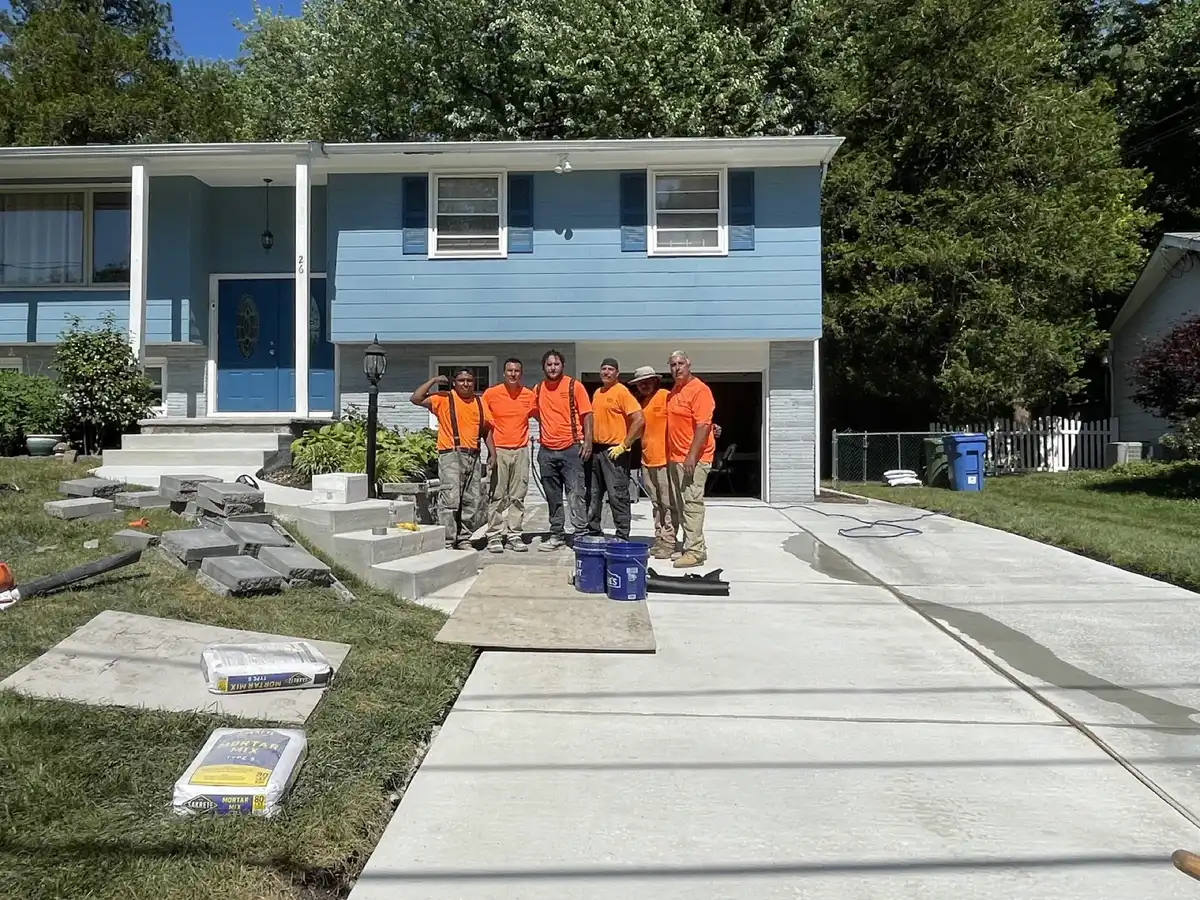
Pouring inside a basement is harder than pouring outside. Access is tight, the concrete has to be moved by hand or by pump, and there is no room for error on grade.
Three generations of the Papaneri family run every job. You talk to the people doing the work, not a call center.
Our crews are trained to industry standards and fully insured. Your home is protected from the first shovel to the final trowel pass.
We use pumps, buggies, and hand crews to move concrete through walkouts, bulkheads, and basement windows without tearing up your yard or your home.
We screed and check basement slabs for flatness as we go. Your flooring installer will thank you when the tile or vinyl plank lays clean.
Four inches with wire mesh handles most Cherry Hill basements. We go to five or six inches with rebar under gyms, workshops, lifts, and other heavy loads. We size it after we see the space and the soil.
Yes, on any interior floor. A heavy poly barrier blocks ground moisture from rising through the slab and ruining flooring, paint, and anything stored on the floor. It is the cheapest part of the job and the most important.
You can walk on it in about 24 to 48 hours, and it takes 28 days to reach full strength. Wait on flooring and heavy items until we clear it. Call Papaneri & Sons at (856) 354-9338 for a free estimate. Planning a budget? See what a concrete basement floor costs.
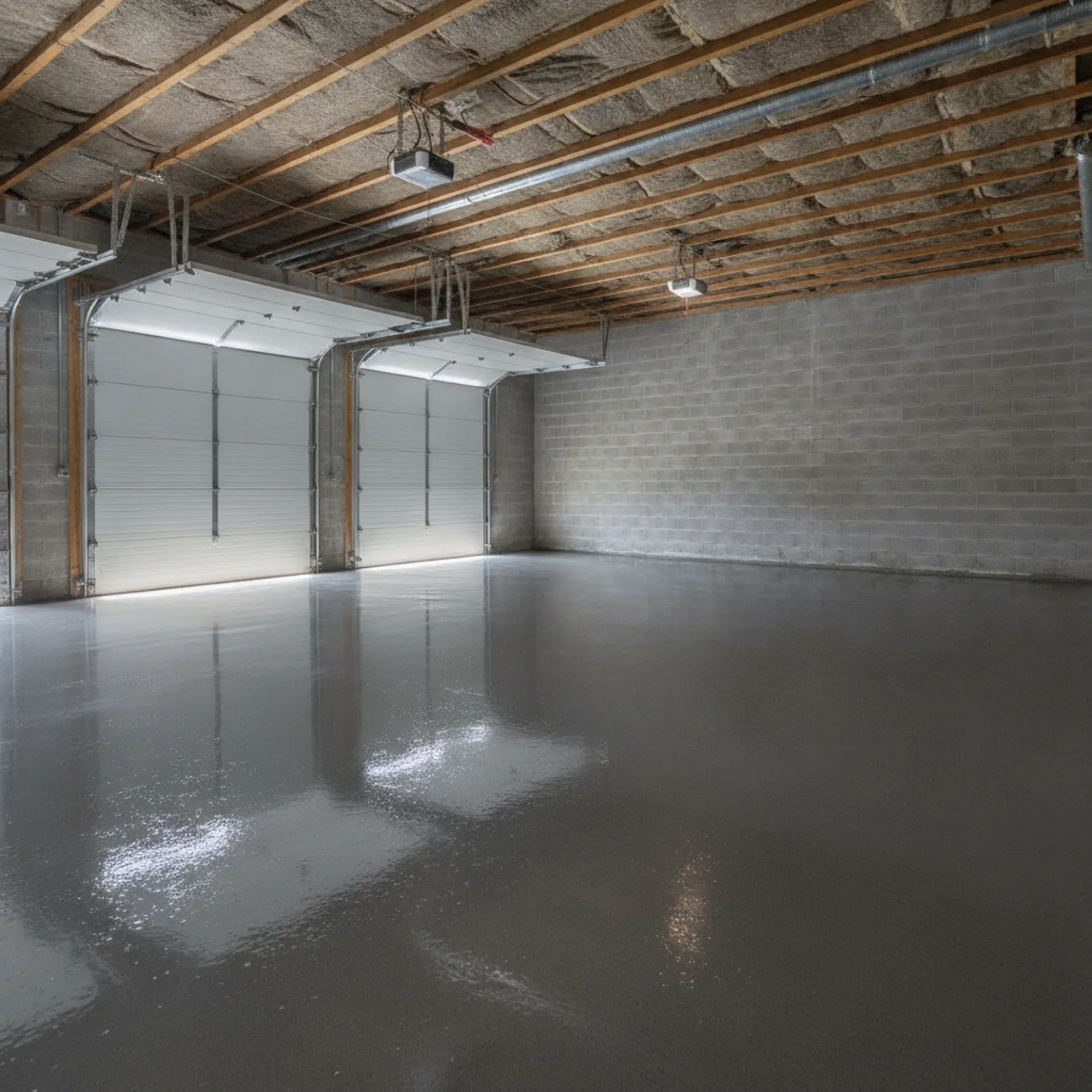
Level interior floor slabs for garages, shops, and warehouses, poured for the loads they carry.
Learn more →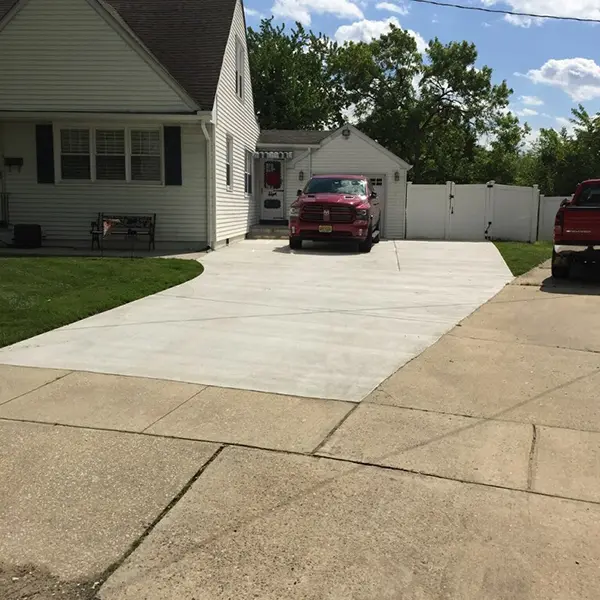
Smooth garage floors poured flat and ready for a sealer, an epoxy coating, or heavy daily use.
Learn more →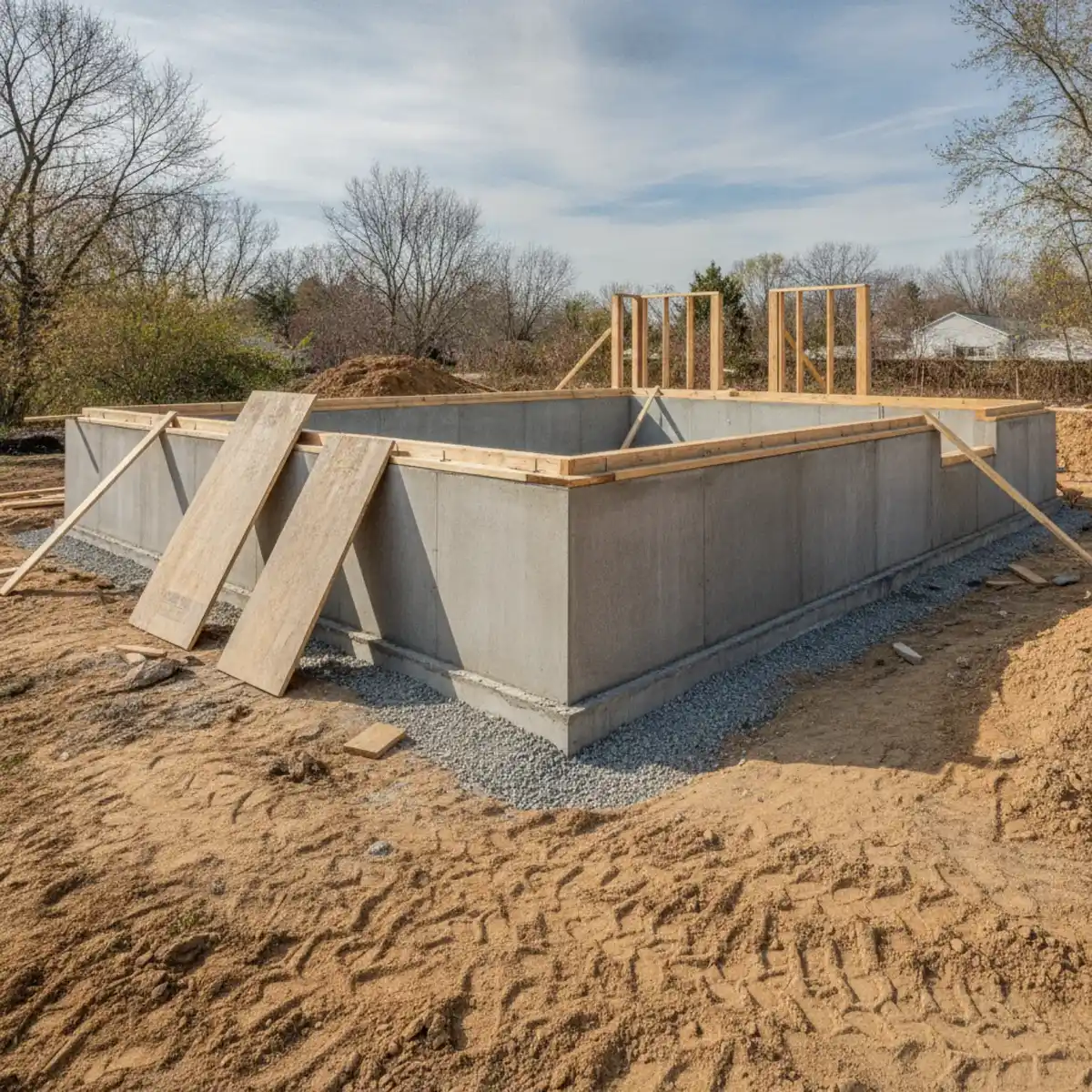
Structural support poured below existing footings when a foundation has settled or needs more depth.
Learn more →